Home & Garden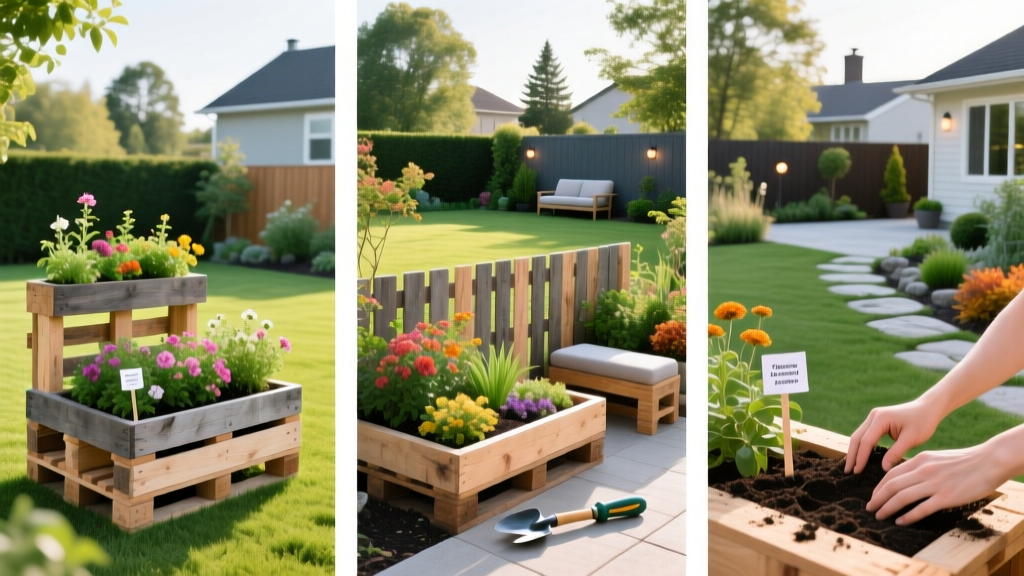
7 Easy Pallet Yard Ideas for Beginner DIY Landscapers
The Golden Rule: Decoding Pallet Safety Stamps
Before cutting a single board, you must verify the chemical treatment of your pallets. Using the wrong wood in a garden can leach toxic pesticides into your soil and food supply. According to USDA APHIS regulations on wood packaging material, international pallets must bear an IPPC (International Plant Protection Convention) stamp.
- HT (Heat Treated): The wood was heated to a minimum core temperature of 132.8°F (56°C) for at least 30 minutes. This is safe for all garden uses, including edible crops.
- KD (Kiln Dried): Similar to HT, often used for domestic lumber. Safe for gardening.
- MB (Methyl Bromide): A highly toxic fumigant. Never use MB-stamped pallets for garden beds, compost bins, or outdoor furniture.
- Colored Pallets (Blue/Red/Brown): These are typically rental pallets (like CHEP or PECO) and are treated with fungicides or painted with chemical-laden coatings. Avoid them entirely.
7 Beginner-Friendly Pallet Yard Ideas
1. The 3-Pallet Compost Bin
A standard 48" x 40" GMA pallet provides the exact dimensions needed for a highly efficient composting system. Stand three pallets on their edges to form a U-shape. Secure the corners using 3-inch galvanized exterior hinges. Leave the front pallet unattached, securing it instead with heavy-duty bungee cords or carabiners hooked to eye screws. This allows you to easily remove the front panel to turn the pile. For optimal decomposition, follow the EPA's guide to home composting, maintaining a 3:1 ratio of carbon-rich browns (dry leaves) to nitrogen-rich greens (kitchen scraps).
2. Tiered Root-Crop Raised Bed
Root vegetables like carrots and parsnips require 12 to 16 inches of loose soil. Stack two HT-stamped pallets flat on the ground, securing them together with 2.5-inch exterior star-drive screws at the four corner blocks. Crucial Step: Before adding soil, staple 1/2-inch galvanized hardware cloth to the bottom interior to prevent gophers and voles from tunneling upward. Fill with a mix of 60% topsoil, 30% compost, and 10% coconut coir. A double-stacked 48" x 40" bed holds approximately 18 cubic feet of soil.
3. Vertical Herb Garden Wall
Lean a pallet against a south-facing wall. To prevent moisture damage to your home's siding, staple a 6-mil polyethylene sheet to the back and bottom of the pallet. Line the horizontal slat gaps with heavy-duty landscape fabric, securing it with a heavy-duty staple gun. Fill the fabric pockets with a 50/50 mix of potting soil and perlite to ensure rapid drainage, preventing root rot in Mediterranean herbs like rosemary and thyme.
4. Rustic Outdoor Sectional Sofa
This requires four identical pallets. Use two flat on the ground for the seat base, and stand two upright against the back of the base for the backrest. Sand all surfaces starting with 60-grit paper to remove splinters, finishing with 120-grit. Seal the wood with two coats of a water-based polyurethane or raw linseed oil. Standard outdoor seat cushions measure 24" x 24"; a double-pallet base (80" wide) perfectly accommodates three standard cushions across.
5. Disassembled Walkway Pathways
Instead of using whole pallets, break them down. Use a reciprocating saw with a 9-inch bi-metal demolition blade to cut through the nails holding the top deck boards. Lay a base of 2 inches of crushed #57 gravel, topped with 1 inch of masonry sand. Place the pallet slats horizontally across the path, leaving a 1-inch gap between each board for water runoff. Treat the cut ends of the wood with copper naphthenate to prevent ground-contact rot.
6. Lean-To Tool Storage Rack
Lean a single pallet against a fence or shed wall, angling it slightly backward. Drive two 18-inch T-post spikes into the ground behind the bottom corners to prevent slipping. Install heavy-duty shed hooks (rated for 50+ lbs) directly into the thick 3.5-inch corner blocks of the pallet. Use the thinner slats to hang hand trowels and pruning shears via smaller J-hooks.
7. Privacy Screen and Climbing Trellis
Stand two pallets side-by-side and hinge them together at a slight 15-degree angle for structural stability. Drive 24-inch steel tent stakes or rebar through the bottom pallet blocks into the soil. This structure is ideal for training aggressive climbers like Star Jasmine or Clematis. The rough-sawn texture of untreated pallet wood gives vine tendrils excellent grip without the need for additional wire netting.
Project Cost and Time Matrix
Understanding the investment required for these pallet yard ideas helps beginners prioritize their weekend projects. The costs below assume sourcing free or low-cost HT pallets ($0 to $15 each) and purchasing new exterior-grade hardware.
| Project | Pallets Needed | Estimated Material Cost | Active Build Time | Skill Level |
|---|---|---|---|---|
| 3-Pallet Compost Bin | 3 | $25 - $40 (Hinges, screws) | 45 minutes | Beginner |
| Tiered Raised Bed | 2 | $80 - $120 (Soil, hardware cloth) | 1.5 hours | Beginner |
| Vertical Herb Wall | 1 | $45 - $65 (Landscape fabric, soil) | 1 hour | Beginner |
| Outdoor Sectional | 4 | $150 - $250 (Sealant, cushions) | 3 - 4 hours | Intermediate |
| Walkway Pathways | 3 (Disassembled) | $90 - $130 (Gravel, sand, blades) | 4 - 5 hours | Intermediate |
Essential Prep: Sanding, Sealing, and Hardware
Warning: The Splinter and Rot Trap
Beginners often skip sanding and sealing to save time. Unsealed pine or oak pallets will absorb ground moisture, warping and rotting within a single season. Furthermore, rough-sawn pallet slats harbor microscopic splinters that easily penetrate gardening gloves.
The 2-Step Sanding Protocol:
Always use a random orbital sander. Start with a 60-grit aluminum oxide disc to level out rough saw marks and protruding nail heads. Follow immediately with a 120-grit disc to smooth the surface for sealing. Never skip grits, or you will leave deep scratches that trap moisture.
Choosing the Right Fasteners:
Do not use standard indoor drywall screws; they will snap under lateral pressure and rust within months. Purchase #9 x 2-1/2" Star Flat-Head Exterior Wood Screws. The Star (Torx) drive prevents cam-out, saving your wrists and the wood surface when driving through dense 3-inch pallet blocks.
Sourcing Free vs. Buying Pallets
While buying new pallets from a lumber yard costs $15 to $30 each, sourcing them for free requires knowing where to look and what to ask. Small hardware stores, local feed stores, and independent nurseries often receive shipments on standard GMA pallets and pay to have them hauled away. Approach the manager on a weekday morning and ask if you can take their broken or excess heat-treated pallets off their hands. Avoid large big-box retailers, as their pallets are usually part of a strict corporate return program.