
Home & Garden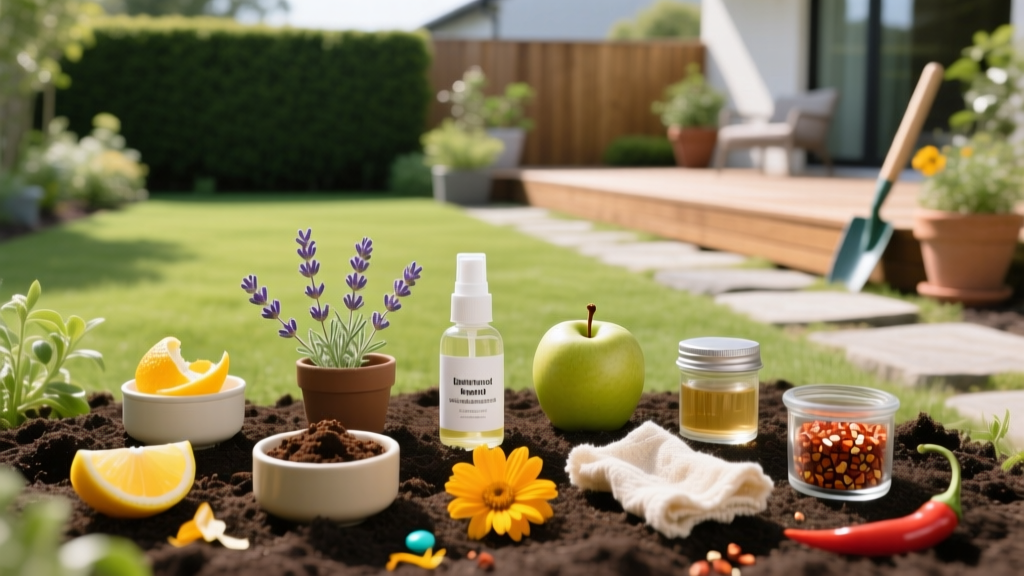
What to Sprinkle on Ground to Keep Cats Away: 7 Proven Repellents
Feline intrusion in garden beds causes severe damage to young seedlings, disrupts mulch layers, and creates unsanitary conditions through feces and urine marking. When homeowners search for what to sprinkle on ground to keep cats away, they are often met with conflicting folklore and ineffective home remedies. Effective feline deterrence requires leveraging a cat's highly sensitive olfactory system and tactile preferences. This guide breaks down the exact natural ingredients, commercial granules, and application protocols required to establish a reliable, non-toxic barrier around your landscaping.
The Science of Feline Olfactory Aversion
Cats possess approximately 200 million olfactory receptors in their nasal cavity, compared to just 5 million in humans. Furthermore, they utilize the vomeronasal organ (Jacobson's organ) located on the roof of their mouth to analyze complex chemical compounds in their environment. When a cat encounters certain volatile organic compounds (VOCs) like limonene, linalool, or capsaicin, the sensory overload triggers an innate avoidance response. Understanding this biological mechanism is critical; you are not merely masking the scent of your garden, you are actively overstimulating their sensory receptors to create an invisible chemical fence.
Natural Ground Sprinkles: Efficacy, Cost, and Failure Modes
Not all natural repellents perform equally under real-world weather conditions. Below is an analysis of the most effective botanical and kitchen-based sprinkles, including their active chemical compounds and specific limitations.
1. Crushed Citrus Peels (Limonene & Linalool)
Cats possess a genetic aversion to the essential oils found in citrus rinds. Dried and crushed peels from oranges, lemons, and grapefruits release limonene when disturbed by paw traffic.
- Cost: Free (if saving kitchen scraps) or $4 to $6 per pound for commercially dried peels.
- Application Rate: 4 ounces per 10 square feet of garden bed.
- Failure Mode: In high-humidity climates or during heavy spring rains, fresh citrus peels will rapidly develop mold and attract fungus gnats. Always use fully dehydrated peels for outdoor application.
2. Dried Rosemary and Lavender (Camphor & Linalyl Acetate)
While humans find these herbs pleasant, the high camphor content in rosemary and the concentrated linalyl acetate in lavender are highly offensive to felines.
- Cost: $10 to $14 per pound for bulk dried culinary-grade herbs.
- Application Rate: 2 ounces per 10 square feet.
- Pro-Tip: Lightly crush the dried leaves between your palms before broadcasting to rupture the cellular walls and release the essential oils immediately.
3. Mustard Powder (Allyl Isothiocyanate)
Often overlooked, cheap culinary mustard powder contains allyl isothiocyanate, the same pungent compound found in wasabi. It creates a strong nasal irritation for cats without the severe ethical concerns associated with hot peppers.
- Cost: $3 to $5 for a standard 16-ounce shaker.
- Failure Mode: Highly water-soluble. Mustard powder will wash away completely after just 0.2 inches of rainfall and requires immediate reapplication.
The Coffee Grounds Myth
Debunking a common myth: Many gardening blogs recommend sprinkling used coffee grounds to repel cats. However, the University of Minnesota Extension notes that while coffee grounds are excellent for soil nitrogen and slight pH alteration, they do not reliably repel felines. In fact, the dark, loose texture of coffee grounds closely mimics the soft soil cats prefer for digging and latrine use. Relying on coffee grounds often exacerbates the problem.
WARNING: Toxic Sprinkles to NEVER Use
Never sprinkle mothballs (naphthalene or paradichlorobenzene) in your yard. The Environmental Protection Agency (EPA) strictly prohibits using mothballs off-label outdoors; they leach toxic chemicals into the groundwater and are lethal to local wildlife, pets, and children. Additionally, avoid cocoa bean mulch. While it smells like chocolate to humans, it contains theobromine, which is highly toxic and potentially fatal if ingested by foraging dogs or cats.
Commercial Granular Repellents vs. DIY Mixes
For homeowners who lack the time to source and dehydrate raw ingredients, commercial granular repellents offer a stabilized, weather-resistant alternative. These products typically rely on putrescent whole egg solids and concentrated garlic oils to trigger a predator-avoidance instinct or deep olfactory aversion.
| Product / Type | Active Ingredients | Cost per Pound | Rain Resistance | Reapplication |
|---|---|---|---|---|
| DIY Citrus & Rosemary | Limonene, Camphor | $4.00 - $8.00 | Low | Every 7-10 days |
| Nature's MACE Cat Repellent | Putrescent egg solids, Garlic, White Pepper | $7.80 | High (Polymer coated) | Every 3-4 weeks |
| Liquid Fence Granular | Garlic oil, Thyme oil | $9.50 | Moderate | Every 2-3 weeks |
| DIY Mustard Powder | Allyl Isothiocyanate | $0.30 - $0.50 | Very Low | After every rain |
The 4-Step Application Protocol for Lasting Results
Simply tossing repellents onto dry dirt will yield poor results. Granular and botanical sprinkles require specific soil conditions to activate and bind to the environment.
- Clear and Prep the Zone: Remove existing cat feces and heavily urine-soaked soil. If a cat has already marked a territory, the pheromone signal will override your repellent. Scoop the waste and spray the specific spot with an enzymatic cleaner designed for outdoor use to break down the uric acid crystals.
- Moisture Activation: Lightly water the target area before applying your sprinkle. Damp soil helps essential oils from rosemary, citrus, or commercial garlic granules bind to the top layer of mulch or dirt, preventing them from blowing away in the wind.
- Broadcast the Repellent: Apply your chosen sprinkle at the recommended rate. For commercial products, use the built-in shaker cap to ensure an even, 360-degree distribution. Focus heavily on the perimeter of the garden bed and the corners where cats typically enter or turn.
- Set the Barrier: Water the area again very lightly (just a fine mist) immediately after application. This 'sets' the granular repellents into the soil matrix and begins the slow-release process of the active VOCs.
Troubleshooting: When Cats Ignore the Repellent
If you have applied the correct materials and a cat continues to dig, evaluate these three common failure points:
1. Habituation to the Scent
Cats are highly adaptable. If you use the exact same commercial garlic repellent for six months, local felines may habituate to the odor, realizing it poses no physical threat. The Fix: Rotate your active ingredients every 60 days. Switch from a putrescent egg-based granule to a botanical citrus/rosemary mix to keep their olfactory system off-balance.
2. The 'Loose Soil' Temptation
Freshly tilled soil or fine, dry mulch is irresistible to cats looking for a latrine, regardless of the scent. The Fix: Combine your olfactory sprinkles with a physical deterrent. Lay down chicken wire just beneath the top inch of soil, or switch to large, jagged bark mulch (like pine bark nuggets) which is uncomfortable on their paw pads.
3. UV Degradation of Essential Oils
Direct, all-day sunlight breaks down the volatile oils in natural sprinkles like lavender and citrus within 48 hours. The Fix: If your garden bed receives full, unfiltered sun, rely exclusively on polymer-coated commercial granules or reapply natural botanical mixes twice a week.

