
Home & Garden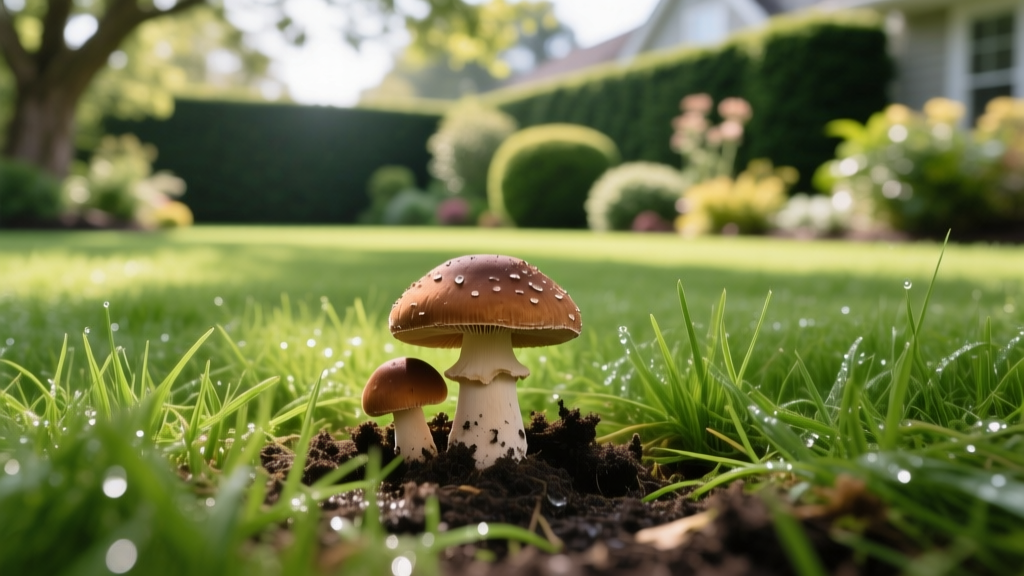
Sudden Brown Mushroom in Yard: Diagnosis & Rescue Fixes
Spotting a sudden brown mushroom in your yard is rarely a sign of a diseased lawn; rather, it is a biological indicator of your soil's underlying ecology. Mushrooms are simply the fruiting bodies of a vast underground network of mycelium. When environmental conditions align—typically high moisture, moderate temperatures, and abundant decaying organic matter—the mycelium pushes these fruiting bodies to the surface to release spores. While most lawn mushrooms are saprophytic (meaning they consume dead organic matter and actually benefit soil health), they can be unsightly, disrupt turf density, and pose toxicity risks to pets and children.
To eliminate the fruiting bodies, you must alter the soil environment that supports the mycelium. This guide provides a diagnostic framework to identify the culprit and a step-by-step rescue protocol to rebalance your lawn's ecology.
The Diagnostic Matrix: Identifying Your Brown Mushroom
Not all brown mushrooms are created equal. Correct identification dictates your urgency, especially regarding pet and child safety. Below are the three most common brown-spored or brown-capped mushrooms found in residential turfgrass.
| Common Name (Scientific) | Cap Appearance | Habitat & Trigger | Toxicity Profile |
|---|---|---|---|
| Brown Mottlegill (Panaeolus foenisecii) |
1-2 inches, hygrophanous (changes color as it dries), smooth brown margin. | Open lawns, nitrogen-poor soil, frequent irrigation. | Mildly toxic; causes gastrointestinal distress in pets. |
| Meadow Mushroom (Agaricus campestris) |
3-5 inches, white to light brown, dry surface, pink gills turning dark brown. | Rich soil, manure-amended lawns, fairy rings. | Edible for humans, but lookalikes are deadly. Keep pets away. |
| Deadly Galerina (Galerina marginata) |
1-2 inches, sticky/tacky brown cap when wet, distinct ring on stem. | Buried wood, decaying tree roots, wood chip mulch borders. | Deadly. Contains amatoxins. Fatal if ingested by humans or dogs. |
⚠️ Toxicity Warning: Never attempt to identify a brown mushroom in your yard by taste or smell. If you suspect a dog has ingested Galerina marginata or any unknown brown fungus, contact the National Capital Poison Center immediately or visit an emergency veterinary clinic. Bring a sample of the mushroom in a paper bag (not plastic) for identification.
Root Cause Analysis: Why Are They Fruiting Now?
Fungi do not fruit randomly. A sudden flush of mushrooms indicates a specific imbalance in your turf's microclimate. According to turfgrass pathology data from the University of Minnesota Extension, saprophytic fungi require three concurrent factors to fruit: high soil moisture, poor air circulation at the soil line, and a steady food source.
The Thatch Threshold
Thatch is the intermingled layer of living and dead stems and roots that develops between the zone of green vegetation and the soil surface. A thin layer (under 0.5 inches) insulates the soil. However, once thatch exceeds 0.75 inches, it acts like a sponge, trapping moisture and creating a perfect incubator for mycelium. The fungi feed on the decaying lignin in the thatch layer, eventually pushing mushrooms up through the grass blades.
Buried Construction Debris & Decaying Roots
If your brown mushrooms are growing in a specific arc, cluster, or line, you are likely dealing with buried organic matter. Home builders frequently bury scrap lumber, stump grindings, and drywall beneath topsoil. As these materials slowly decay over 5 to 15 years, they feed aggressive wood-rot fungi. Unlike thatch-dwelling mushrooms, these will continue to fruit until the buried wood is entirely consumed, which can take a decade.
Step-by-Step Rescue Protocol
Erasing the symptom (picking the mushrooms) does nothing to stop the next flush. You must execute a cultural rescue plan that starves the mycelium and promotes bacterial dominance in the soil.
- Immediate Physical Removal (Day 1): Mow the lawn with a bagging attachment set to a lower height (e.g., drop from 3.5 inches to 2.5 inches). This removes the current fruiting bodies and prevents spore dispersal. Do not compost the clippings; dispose of them in municipal yard waste.
- Moisture Starvation (Days 2-14): Fungi require constant surface moisture. Switch your irrigation from daily light watering (which keeps the thatch wet) to deep, infrequent watering. Apply 0.5 to 1 inch of water per week, split into two early-morning sessions (between 4:00 AM and 6:00 AM). This allows the grass canopy and thatch layer to dry completely before nightfall.
- Mechanical Dethatching & Aeration (Week 3): Rent a core aerator (e.g., a Ryan RenCore or Classen walk-behind aerator, typically $85–$110 for a half-day rental in 2026). Core aeration pulls 3-inch soil plugs, physically breaking up the thatch layer, relieving compaction, and introducing oxygen into the soil profile. Oxygen favors aerobic bacteria, which outcompete anaerobic fungi for organic matter.
- Nitrogen Acceleration (Week 4): Apply a fast-release nitrogen fertilizer at a rate of 1 lb of actual nitrogen per 1,000 square feet. A standard 4-1-2 ratio fertilizer (like Scotts Turf Builder, approx. $45 for a 40lb bag) fuels rapid bacterial growth. The bacteria will aggressively consume the thatch and buried wood, effectively starving the fungal network. Note: Do not use slow-release organic fertilizers like Milorganite during a fungal flush, as they can temporarily feed the mycelium.
The Fungicide Myth: Why Chemicals Fail Here
Many homeowners instinctively reach for chemical fungicides like BioAdvanced Fungus Control for Lawns (active ingredient: Propiconazole) or Armada 50 WDG when they see mushrooms. This is a waste of money.
Commercial and consumer fungicides are designed to target pathogenic fungi that attack living grass tissue, such as Brown Patch (Rhizoctonia solani) or Dollar Spot. The brown mushrooms in your yard are saprophytic—they are eating dead wood and thatch, not your living grass. Applying Propiconazole or Azoxystrobin will not kill the deep-rooted mycelium feeding on buried lumber, and it will unnecessarily disrupt beneficial soil microbes. Cultural practices (aeration, moisture management, and nitrogen balancing) are the only proven methods for long-term suppression.
When to Consider Professional Intervention
If the mushrooms are forming a distinct "fairy ring" (a dark green or dead brown circle expanding outward by 6-12 inches annually) and the soil inside the ring has become hydrophobic (repels water), you are dealing with a Type II Fairy Ring. This requires professional intervention. Lawn care specialists will use soil surfactants (wetting agents) combined with deep-tine aeration to penetrate the fungal mat, a service that typically costs $150–$250 per 5,000 square feet.
Long-Term Soil Ecology Management
A completely fungus-free lawn is a biological impossibility, nor is it desirable. Mycelium networks are crucial for breaking down organic matter and facilitating nutrient uptake in turfgrass. Your goal is not eradication, but management. By maintaining a thatch layer below 0.5 inches, watering deeply but infrequently, and top-dressing with a thin layer (1/4 inch) of compost annually to introduce competitive beneficial bacteria, you will keep the mycelium dormant underground. The result is a dense, resilient turf canopy where the environmental triggers for surface fruiting simply no longer exist.