
Home & Garden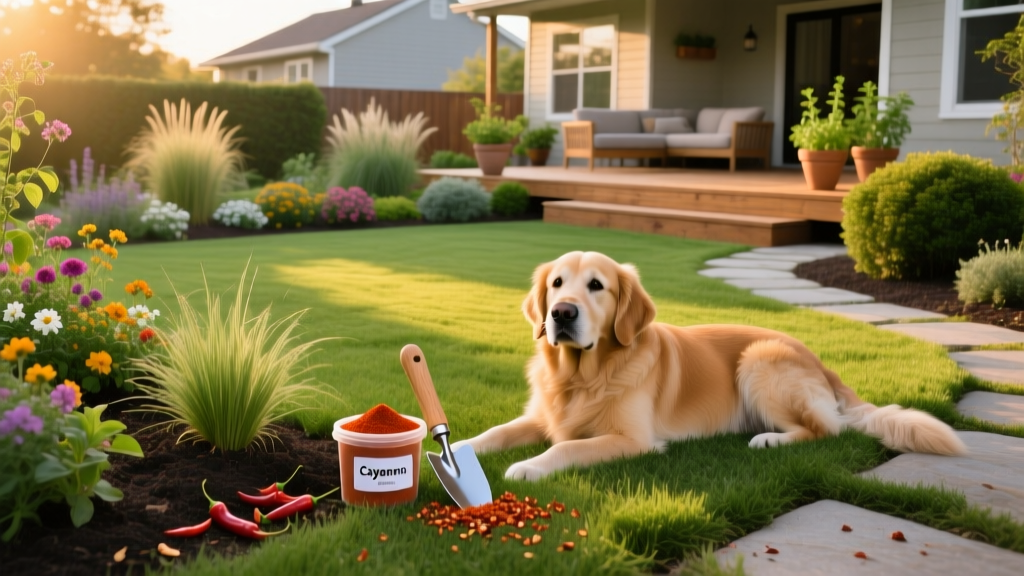
Can Dogs Have Cayenne Pepper? Safe Garden Repellent Guide
The Short Answer: Can Dogs Have Cayenne Pepper?
If you are asking whether dogs can safely ingest cayenne pepper, the answer is a definitive no. While not strictly toxic in the way that xylitol or chocolate are, cayenne pepper contains high concentrations of capsaicin, the active chemical compound that produces a burning sensation. According to the American Kennel Club (AKC), spicy foods can cause severe gastrointestinal distress, vomiting, and diarrhea in canines.
However, in the context of home gardening and landscaping, homeowners frequently ask this question because cayenne pepper is widely touted as a DIY natural dog repellent to stop pets from digging in garden beds, chewing on ornamental shrubs, or urinating on prized lawn patches. Using it outdoors requires a nuanced understanding of canine biology and careful application methods to prevent accidental harm to your pet, local wildlife, and beneficial pollinators.
The Biology of Capsaicin and Canine Sensory Receptors
To understand why cayenne pepper works as a deterrent—and why it can be dangerous—you must look at the Scoville Heat Unit (SHU) scale and canine anatomy. Cayenne pepper typically registers between 30,000 and 50,000 SHU. By comparison, a standard jalapeño is only 2,500 to 8,000 SHU.
Dogs possess roughly 300 million olfactory receptors (compared to a human's 6 million), making their sense of smell 10,000 to 100,000 times more sensitive than ours. When a dog sniffs a garden bed heavily dusted with powdered cayenne, the microscopic capsaicin particles bind to the TRPV1 pain receptors in their nasal passages and mucous membranes. This does not just cause a bad taste; it triggers a genuine neurological pain response.
⚠️ Landscape Warning: The Wind Drift Hazard
Applying dry cayenne powder to outdoor soil is highly discouraged. A mild 5 mph breeze can lift fine capsaicin dust into the air. If your dog walks through the cloud, or if you are gardening nearby, the airborne particles can cause severe corneal irritation and respiratory distress. Always opt for liquid formulations or physical barriers instead of dry dusting.
How to Formulate a Safer Liquid Cayenne Repellent
If you are committed to using cayenne as an organic boundary treatment for your garden, you must neutralize the airborne risk by suspending it in a liquid carrier. This targeted approach protects the soil without creating inhalation hazards.
The 24-Hour Steep Method
- Measure: Combine 1 tablespoon of crushed red pepper flakes (not ultra-fine powder, which is hard to filter) with 1 gallon of warm water.
- Emulsify: Add 1 teaspoon of liquid castile soap. The soap acts as a surfactant, breaking the surface tension so the capsaicin oils bind to the water rather than floating on top.
- Steep: Let the mixture sit in a sealed bucket for 24 hours in a shaded area to extract the capsaicin oils.
- Filter (Crucial Step): Strain the liquid through a standard paper coffee filter into a pump sprayer. This removes all physical particulate matter, preventing nozzle clogs and ensuring you are only spraying a capsaicin-infused mist, not solid pepper flakes that a dog might lick off a leaf.
- Apply: Spray the perimeter of raised beds or the base of ornamental shrubs. Reapply every 5 to 7 days, or immediately after a rainfall exceeding 0.5 inches.
Comparing Garden Deterrents: Cayenne vs. Commercial Alternatives
While DIY cayenne sprays cost roughly $0.15 per gallon to produce, they require frequent reapplication and carry mild safety risks. Below is a 2026 cost and efficacy matrix comparing cayenne to other common landscape protection methods.
| Deterrent Method | Estimated Cost (2026) | Efficacy Against Digging | Safety Profile |
|---|---|---|---|
| DIY Liquid Cayenne Spray | $0.15 / gallon | Moderate (Taste/Smell only) | Moderate (Eye irritation risk) |
| Commercial Bitter Apple | $14.00 / 8 oz | Low (Ineffective for digging) | High (Non-toxic, vet-approved) |
| Motion-Activated Sprinkler | $65.00 - $85.00 | Very High (Startle response) | Very High (Water only) |
| 1/2" Galvanized Hardware Cloth | $18.00 / 10 ft roll | Absolute (Physical barrier) | High (Bury under 2" of mulch) |
Emergency First Aid for Accidental Cayenne Exposure
If your dog bypasses your deterrent and ingests treated mulch, or if they rub their face in a freshly sprayed garden bed, immediate action is required to mitigate the capsaicin burn. The ASPCA Animal Poison Control Center recommends the following protocols for non-toxic but highly irritating exposures:
- For Eye Exposure: Do not use tap water, as water does not dissolve capsaicin oils and can spread the burn. Flush the eye gently with a sterile veterinary saline solution or lukewarm whole milk. The casein protein in milk acts as a detergent, breaking the bond between the capsaicin and the pain receptors.
- For Ingestion: Offer your dog a small amount of plain, unsweetened yogurt or whole milk to coat the stomach lining and neutralize the oral burn. Monitor for signs of lethargy, excessive drooling, or vomiting.
- For Paw Irritation: Wipe the paws with a cloth soaked in a 50/50 mixture of water and white vinegar, followed by a rinse with cool water.
Note: If your dog exhibits severe facial swelling, continuous vomiting, or difficulty breathing, contact your local emergency veterinary clinic immediately, as these may indicate an allergic reaction rather than simple capsaicin irritation.
Long-Term Landscape Solutions for Digging and Chewing
Relying solely on chemical or botanical repellents is a temporary fix. Dogs often return to specific garden zones due to underlying behavioral triggers, such as the presence of burrowing rodents, the coolness of the soil under shrubs, or simple boredom. For a permanent resolution, integrate physical hardscaping and strategic planting.
Sub-Surface Barrier Installation
If your dog is digging at the base of your fence line or destroying the roots of your vegetable garden, install a sub-surface barrier. Purchase 1/2-inch galvanized hardware cloth (avoid chicken wire, which is too flimsy and can snap, creating sharp edges). Dig a trench 3 inches deep along the perimeter of the garden bed, lay the hardware cloth flat, and cover it with 2 inches of heavy cedar mulch. The dog will feel the wire immediately upon scratching and abandon the dig site without sustaining injury.
Sensory Plant Alternatives
Instead of applying irritants, plant species that naturally repel canines through strong, non-harmful aromatic oils. Coleus canina (often marketed as the Scaredy-Cat plant) emits a pungent odor resembling skunk spray that dogs find highly offensive, yet it is entirely non-toxic. Similarly, planting dense borders of rosemary or lavender provides a strong olfactory boundary that masks the scent of the garden soil, reducing the dog's urge to investigate and dig. For more comprehensive advice on securing your yard, consult resources from The Humane Society of the United States regarding pet-safe landscaping practices.

