
Home & Garden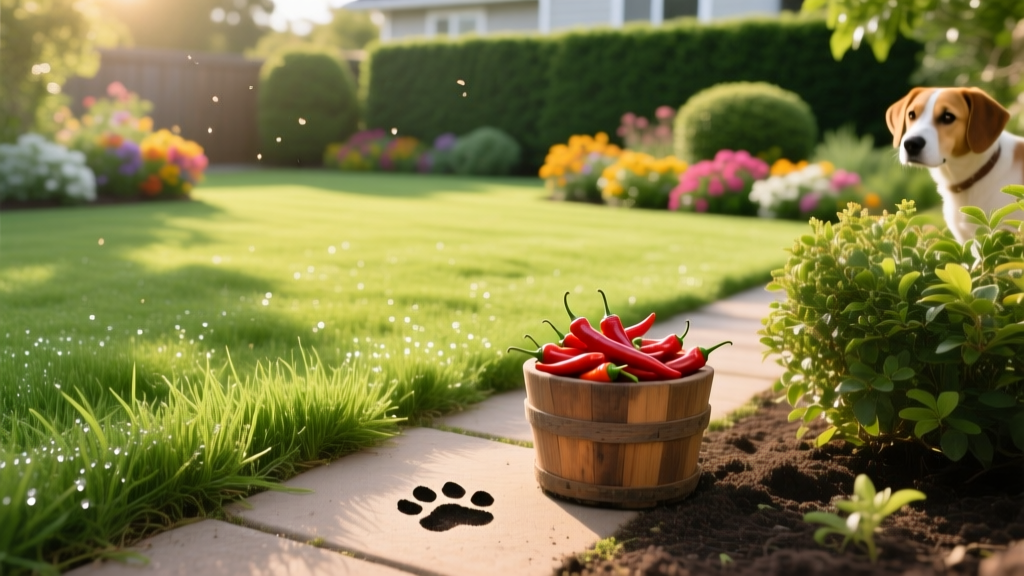
Is Cayenne Pepper Harmful to Dogs? Garden Deterrent Guide
The short answer to whether cayenne pepper is harmful to dogs is yes, but primarily as a severe irritant rather than a systemic toxin. Many homeowners sprinkle cayenne pepper around garden beds, vegetable patches, and lawn perimeters to deter digging dogs, rabbits, and deer. While this organic pest control method is effective against wildlife, it poses significant mucosal, ocular, and respiratory risks to domestic canines that share the yard.
⚠️ Veterinary Warning: Capsaicin, the active chemical in cayenne pepper, binds to pain receptors in a dog's eyes, nose, and gastrointestinal tract. Direct exposure to dry powder can cause corneal ulcers and acute respiratory distress. Never apply dry cayenne dust in areas where dogs actively run or dig.
The Science of Capsaicin and Canine Sensitivity
To understand the risk, you must look at the Scoville Heat Unit (SHU) scale and canine biology. Standard grocery-store cayenne pepper ranges from 30,000 to 50,000 SHU. The active compound, capsaicin, triggers the TRPV1 receptor—a protein responsible for sensing heat and physical abrasion.
While dogs have significantly fewer taste buds than humans (roughly 1,700 compared to our 9,000), their olfactory systems and mucosal membranes are exceptionally sensitive. When a dog sniffs a patch of soil treated with dry cayenne powder, microscopic capsaicinoid particles become airborne and embed in the nasal mucosa. According to veterinary guidelines on canine pepper consumption, this triggers an immediate neurogenic inflammatory response, leading to intense burning, sneezing, and panic.
Why Dry Powder is the Most Dangerous Form
The primary danger in a garden setting is not ingestion, but inhalation and ocular contact. Dry cayenne powder is easily displaced by wind, lawnmowers, or the dog's own digging. When a dog paws at treated soil and subsequently rubs its face, the pepper transfers directly to the cornea. Furthermore, rain does not safely wash away dry powder; it often creates a concentrated, sticky capsaicin paste that adheres to a dog's paw pads, causing prolonged dermatitis.
Symptoms of Cayenne Pepper Exposure in Dogs
Identifying the exact route of exposure dictates your first-aid response. The clinical signs of capsaicin exposure vary drastically depending on how the dog interacted with the garden deterrent.
| Exposure Route | Primary Symptoms | Severity & Risk Level |
|---|---|---|
| Ocular (Eyes) | Squinting, excessive tearing, pawing at face, corneal redness | High: Risk of corneal ulceration if pawing causes physical scratching. |
| Inhalation (Nose/Lungs) | Violent sneezing, coughing, wheezing, nasal discharge | High: Can trigger acute asthma-like episodes in brachycephalic breeds (Pugs, Bulldogs). |
| Dermal (Paw Pads/Skin) | Licking paws excessively, limping, localized redness | Moderate: Contact dermatitis; secondary infection risk from over-licking. |
| Ingestion (Stomach) | Drooling, vomiting, diarrhea, abdominal pain | Moderate: Severe GI upset, but rarely fatal unless massive quantities are eaten. |
Formulating a Safer Liquid Barrier (If You Must Use Capsaicin)
If you are dealing with severe wildlife intrusion and decide capsaicin is necessary, you must abandon dry dusting. Liquid emulsions bind the capsaicin oils to plant surfaces and soil matrices, eliminating the airborne particulate risk. However, this should only be applied to vertical surfaces (like fence lines) or non-diggable zones, never in open soil where dogs dig.
The Emulsified Capsaicin Recipe
Capsaicin is hydrophobic—it repels water. Mixing hot sauce or cayenne powder directly into a watering can will result in the oil floating to the top, creating concentrated, dangerous hotspots. You must use a surfactant.
- Base: Fill a 1-gallon pump sprayer with warm water.
- Surfactant: Add 2 tablespoons of liquid castile soap (e.g., Dr. Bronner's). The soap breaks the surface tension and emulsifies the capsaicin oils.
- Active Ingredient: Add 1 ounce (2 tablespoons) of liquid hot pepper extract or a high-capsaicin hot sauce (avoid sauces with high sugar or garlic content, as garlic is toxic to dogs). Do not use dry powder.
- Adherent: Add 1 tablespoon of horticultural dormant oil or neem oil to help the mixture stick to foliage and withstand light rain.
- Application: Spray only on the perimeter fencing, the base of raised bed walls, or non-edible ornamental shrubbery. Never spray directly on soil or lawn grass.
Pro-Tip for Gardeners: Always wear nitrile gloves and a P100 respirator mask when mixing and spraying capsaicin emulsions. Wind drift during application can cause severe ocular and respiratory irritation to the applicator.
Pet-Safe Garden Deterrent Alternatives
Integrated pest management, as recommended by the University of Minnesota Extension, prioritizes physical and biological barriers over chemical irritants. If your primary goal is to stop your dog from digging in specific garden beds, physical texture changes are vastly superior and 100% non-toxic.
| Deterrent Method | Target Nuisance | Dog Safety Profile | Est. Cost (per 100 sq ft) |
|---|---|---|---|
| Sweetgum Balls / Pine Cones | Digging dogs, cats, squirrels | Excellent: Prickly texture deters paws without chemicals. | $0 - $15 (Foraged or bulk) |
| Hardware Cloth (1/2 inch) | Deep digging dogs, burrowing rodents | Excellent: Buried 2 inches under topsoil; completely inert. | $25 - $40 |
| Motion-Activated Sprinkler | Dogs, deer, raccoons, herons | Excellent: Uses harmless water burst to startle. | $40 - $70 (One-time unit cost) |
| Coffee Grounds (Buried) | Slugs, ants, mild dog deterrent | Caution: Toxic if ingested in quantity. Must be tilled deeply into soil, not top-dressed. | $0 (Free from cafes) |
Emergency Protocol: What to Do If Your Dog is Exposed
If your dog breaches a cayenne-treated zone and shows signs of distress, immediate decontamination is critical. The ASPCA Animal Poison Control Center advises against home remedies that can exacerbate tissue damage.
Ocular Exposure (Pepper in the Eyes)
- Do NOT let the dog rub its face. Restrain the dog gently or use an Elizabethan collar (cone) immediately to prevent corneal scratching.
- Flush with Saline: Use a sterile, isotonic saline eye wash (available at human pharmacies). Flush the eye continuously for 10 to 15 minutes. Do not use contact lens solution containing cleaning enzymes.
- Avoid Water if Possible: Tap water is hypotonic and can cause corneal cells to swell, worsening the pain. If saline is unavailable, use lukewarm tap water as a last resort, but seek veterinary care immediately.
Dermal Exposure (Pepper on Paws and Coat)
Because capsaicin is an oil, rinsing with plain water will only spread the chemical across the dog's skin and fur. You must break down the lipid bonds.
- Apply a generous amount of grease-cutting dish soap (like Dawn) directly to the affected paws or fur.
- Lather thoroughly with lukewarm water for 2 to 3 minutes.
- Rinse completely. Repeat the process twice to ensure all capsaicin oils are lifted from the skin.
Ingestion (Eating Treated Soil or Plants)
If your dog ingests cayenne pepper, do not induce vomiting. Bringing caustic, spicy material back up through the esophagus will cause secondary burning and increases the risk of aspiration pneumonia. Instead, offer the dog a small bowl of whole milk or plain yogurt. The casein protein in dairy acts as a solvent, binding to the capsaicin molecules and stripping them from the TRPV1 receptors in the mouth and stomach. Monitor for severe vomiting or lethargy, and contact your veterinarian if symptoms persist beyond 12 hours.
Frequently Asked Questions
Will a small pinch of cayenne pepper kill a dog?
No. Cayenne pepper is not a lethal systemic poison like xylitol or rodenticide. A small pinch will cause intense localized pain, drooling, and gastrointestinal upset, but it is not fatal. The real danger lies in secondary complications, such as a dog scratching its own eye into an ulcerated state while trying to relieve the burning sensation.
Is black pepper safer than cayenne for garden use?
Black pepper contains piperine, not capsaicin. While piperine is less intensely spicy on the Scoville scale, it is still a severe respiratory and mucosal irritant to dogs. Sniffing dry black pepper can cause violent sneezing fits and nasal inflammation. It is not considered a safe alternative to cayenne for pet-inhabited yards.
How long does cayenne pepper last in outdoor soil?
Dry cayenne powder degrades relatively quickly when exposed to UV light and soil microbes, typically losing its potency within 7 to 14 days outdoors. However, liquid emulsions containing neem oil and surfactants can remain active on plant foliage and hardscapes for up to 30 days, requiring less frequent reapplication and reducing the overall chemical load in your garden ecosystem.