
Home & Garden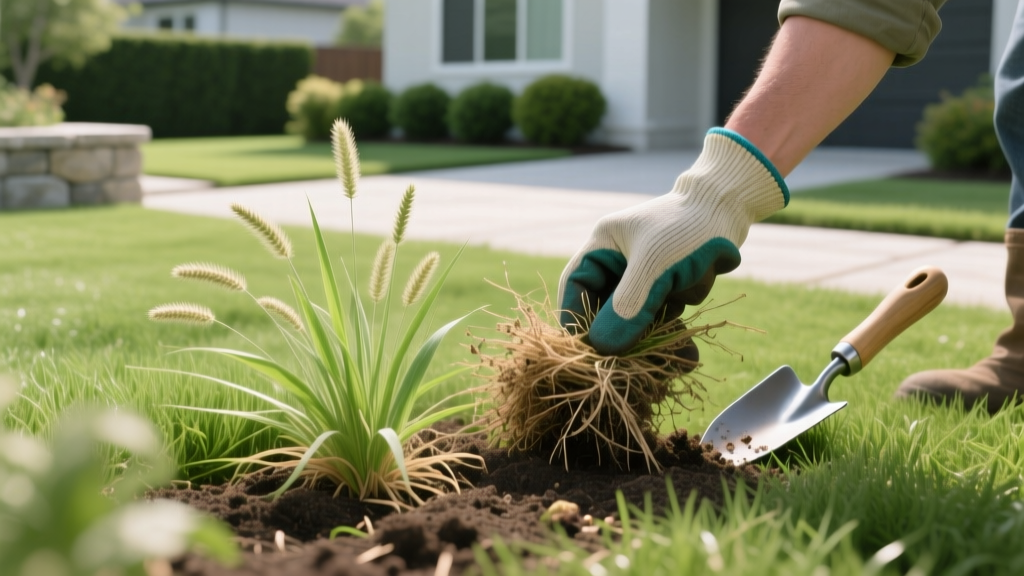
How to Identify and Eradicate Cheatgrass in Home Lawns
The Beginner's Guide to Conquering Cheatgrass
Cheatgrass (Bromus tectorum) is a highly invasive winter annual weed that plagues home lawns across North America. Unlike perennial weeds that stick around year-round, cheatgrass operates on a deceptive lifecycle: it germinates in the fall, stays low and green through the winter, explodes into rapid growth in early spring, and then dies off by early summer, leaving behind a patchy, straw-colored lawn and thousands of seeds. For homeowners, this creates a frustrating cycle of bare spots and recurring infestations. According to the USDA Plants Database, cheatgrass is not just a cosmetic nuisance; it severely outcompetes desirable turfgrasses for early spring moisture and nutrients.
⚠️ Critical Fire Hazard Warning: If you live in a fire-prone region, cheatgrass is a severe liability. Once it cures and turns brown in late spring, its fine, dry stalks become highly flammable tinder, capable of carrying ground fires directly to your home's foundation or landscaping beds.
Identifying Cheatgrass: What to Look For
Before you can eradicate cheatgrass, you must correctly identify it. Beginners often confuse it with early-stage tall fescue or annual bluegrass. Here are the definitive visual markers:
- Leaves and Stems: The leaves are flat, pale green, and distinctly covered in fine, soft hairs on both the upper and lower surfaces. The leaf sheaths (the part wrapping the stem) are also hairy.
- The Ligule: This is the membrane where the leaf blade meets the stem. Cheatgrass has a prominent, membranous ligule that is roughly 1/4 inch long and often torn or jagged at the top.
- Seed Heads: By mid-to-late spring, cheatgrass produces an open, drooping panicle (seed head). The spikelets initially have a purplish or reddish tint before maturing to a pale straw color. Each seed features a long, stiff awn (bristle) that easily catches on clothing and pet fur.
Cheatgrass vs. Common Turfgrasses
Use this comparison matrix to differentiate cheatgrass from desirable lawn grasses during the critical early spring growth phase.
| Feature | Cheatgrass (Weed) | Tall Fescue (Desirable) | Kentucky Bluegrass (Desirable) |
|---|---|---|---|
| Lifecycle | Winter Annual | Cool-Season Perennial | Cool-Season Perennial |
| Leaf Texture | Hairy on both sides, soft | Mostly smooth, coarse | Smooth, boat-shaped tip |
| Root Depth | Shallow (2-6 inches) | Deep (2-3 feet) | Moderate (6-12 inches) |
| Summer Appearance | Dies, turns straw-brown | Stays green (with water) | Stays green (with water) |
Step-by-Step Cheatgrass Removal Strategy
Successfully eliminating cheatgrass requires a two-pronged approach based on the severity of your infestation. Because it is a winter annual, timing is the single most critical factor in your eradication plan.
Phase 1: Mechanical Removal (For Small Patches)
If cheatgrass covers less than 15% of your lawn, hand-pulling is highly effective, provided you follow strict execution rules.
- Time it Right: You must pull the weeds before they reach the 'boot stage' (when the seed head is just about to emerge from the sheath), typically in early to mid-April depending on your zone. Once seeds form, pulling can inadvertently scatter them.
- Moisten the Soil: Water the target area deeply 24 hours before pulling. Cheatgrass has a fibrous, shallow root system. If the soil is dry, the roots will snap off at the crown, and the plant will regenerate. Aim for soil moisture down to at least 4 inches.
- The Pulling Technique: Grip the weed at the very base of the crown (where the stems meet the soil). Pull straight up with steady pressure. Place all pulled weeds directly into a sealed contractor bag—do not drop them on the lawn to 'dry out,' as mature seeds can still shatter and drop into the soil.
Phase 2: Chemical Control (For Heavy Infestations)
When cheatgrass has colonized large swaths of your yard, mechanical removal is impractical. You must rely on targeted herbicides. As of 2026, the National Invasive Species Information Center notes that pre-emergent strategies remain the gold standard for long-term control.
Pre-Emergent Application Framework:
Active Ingredient: Prodiamine (e.g., Barricade) or Dithiopyr (e.g., Dimension).
Application Rate: 1.0 to 1.5 lbs of Prodiamine 65 WDG per 1,000 sq ft.
Timing Trigger: Apply in late summer or early fall when soil temperatures at a 2-inch depth consistently drop below 70°F. Use a digital soil thermometer to verify; guessing based on air temperature leads to failure.
Active Ingredient: Prodiamine (e.g., Barricade) or Dithiopyr (e.g., Dimension).
Application Rate: 1.0 to 1.5 lbs of Prodiamine 65 WDG per 1,000 sq ft.
Timing Trigger: Apply in late summer or early fall when soil temperatures at a 2-inch depth consistently drop below 70°F. Use a digital soil thermometer to verify; guessing based on air temperature leads to failure.
Post-Emergent Options: If you missed the fall window and cheatgrass is actively growing in spring, your options narrow. In warm-season lawns (like Bermuda or Zoysia) that are still dormant in early spring, you can spot-spray with a 41% Glyphosate solution. This will kill the cheatgrass without harming the dormant desirable turf. For cool-season lawns (like Fescue or Bluegrass), selective post-emergent control is difficult. Products containing Fluazifop-p-butyl (e.g., Ornamec) can suppress young cheatgrass, but they are largely ineffective on mature plants and can cause temporary yellowing in tall fescue.
Preventing Cheatgrass from Returning
Cheatgrass is an opportunistic pioneer species. It only thrives where the desired turf canopy is thin, allowing sunlight to hit the soil surface. Eradication without lawn rehabilitation guarantees the weed will return the following fall.
📊 Turf Rehabilitation Data Points:
- Overseeding Rate: Apply 4 to 6 lbs of Tall Fescue seed per 1,000 sq ft in early fall to outcompete cheatgrass seedlings for space.
- Mowing Height: Maintain your mower deck at 3.0 to 3.5 inches. Research shows that turf mowed below 2 inches allows 80% more cheatgrass seed germination due to increased soil light exposure.
- Fertilizer Timing: Avoid high-nitrogen fertilizers in late spring. Cheatgrass is dying off naturally by May; feeding the lawn then only promotes summer stress in cool-season grasses. Focus your nitrogen applications (1 lb N per 1,000 sq ft) in September and November to build deep perennial roots.
Frequently Asked Questions
Can I compost pulled cheatgrass?
No. Unless you are meticulously managing a hot compost pile that consistently maintains internal temperatures of 140°F to 160°F for several days, cheatgrass seeds will survive the composting process. When you spread the finished compost, you will be actively planting cheatgrass across your garden beds. Always bag it and send it to municipal green waste.
Will horticultural vinegar kill cheatgrass?
While 20% acetic acid (horticultural vinegar) will burn the foliage of young cheatgrass, it is a contact-only burn-down agent. It does not translocate to the roots or crown. On mature cheatgrass, the plant will simply regenerate from the crown within a week. Furthermore, spraying high-concentration vinegar alters soil pH and can harm the soil microbiome required by your desirable turfgrass.
Why did my pre-emergent fail to stop cheatgrass?
Pre-emergent failures usually stem from three specific errors: applying too late (after soil temps dropped below 55°F and germination already began), failing to water the product into the soil (Prodiamine requires 0.5 inches of irrigation within 48 hours to activate the chemical barrier), or disturbing the soil surface (aeration or heavy raking) after application, which breaks the chemical barrier and allows seeds to bypass the treated zone.

