
Home & Garden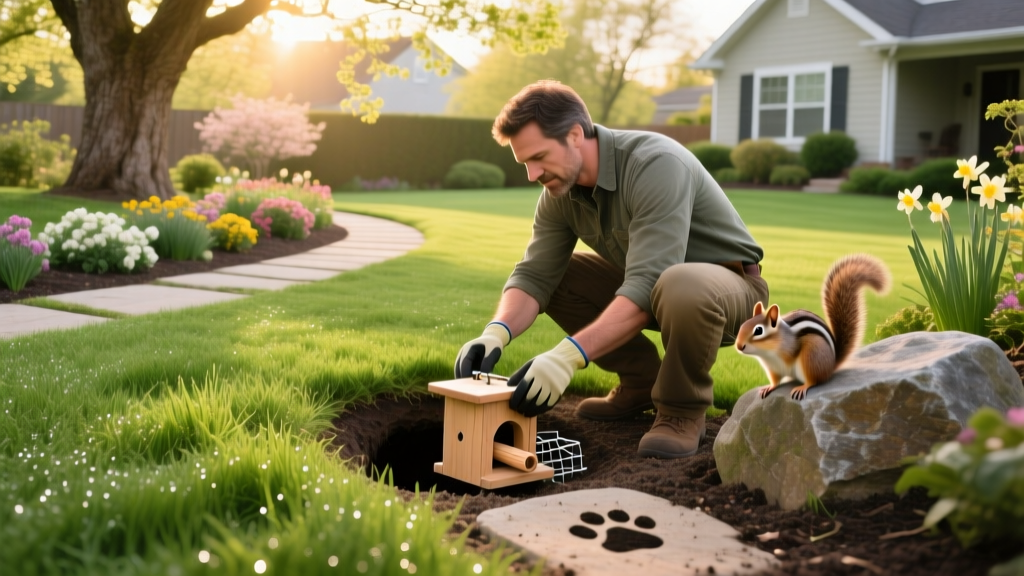
How to Get Rid of Chipmunks in Your Yard: The Complete Playbook
The Chipmunk Threat: Beyond the Cute Facade
While Eastern chipmunks (Tamias striatus) and Least chipmunks (Neotamias minimus) are often viewed as harmless backyard entertainers, their subterranean habits pose a severe structural threat to residential landscapes. A single chipmunk can excavate a burrow system extending up to 30 feet in length and 3 feet deep. When these tunnels intersect with concrete patios, retaining walls, or home foundations, the resulting soil subsidence leads to cracked slabs, collapsed walkways, and compromised structural integrity. This playbook provides a systematic, data-driven approach to evicting chipmunks and fortifying your yard against future incursions.
Phase 1: Damage Assessment and Pest Identification
Before deploying removal tactics, you must confirm chipmunks are the culprits. Homeowners frequently misidentify burrowing pests, leading to ineffective treatment. Chipmunk burrows are distinctly characterized by clean, 2-inch to 3-inch diameter openings with no visible dirt mounds (they carry excavated soil away in their cheek pouches or scatter it thinly).
| Pest | Hole Diameter | Soil Mound? | Surface Runways | Primary Damage |
|---|---|---|---|---|
| Chipmunk | 2 - 3 inches | No | Rare | Foundation undermining, bulb theft |
| Vole | 1 - 1.5 inches | No | Yes (extensive) | Root girdling, bark stripping |
| Mole | N/A (sealed) | Yes (volcano-shaped) | Yes (raised ridges) | Turf uprooting, grub hunting |
| Ground Squirrel | 3 - 4 inches | Yes (flat fan-shape) | No | Deep agricultural/root damage |
Phase 2: Habitat Modification and Exclusion
Chipmunks thrive in environments offering dense cover and easy access to food. Modifying the micro-habitat is the most sustainable long-term control method.
Strategic Vegetation Management
Eliminate ground covers like ivy, pachysandra, and thick mulch beds within 15 feet of your home's foundation. Replace these with inorganic mulches. If you must use organic mulch, opt for sharp-edged crushed stone or lava rock (minimum 3/4-inch diameter), which deters digging due to the discomfort it causes their paws. Plant chipmunk-resistant flora such as daffodils (Narcissus), alliums, and marigolds, while removing their preferred food sources like fallen birdseed. Install seed-catching trays under all bird feeders and sweep the area weekly.
Subterranean Exclusion Barriers
To protect specific high-value areas like raised garden beds or patio perimeters, install a physical exclusion barrier. Do not use standard chicken wire; chipmunks can easily squeeze through or gnaw through thin-gauge poultry netting.
Expert Specification: Purchase 19-gauge, 1/4-inch galvanized hardware cloth. Dig a trench 8 inches deep and 6 inches wide around the perimeter. Bend the bottom 4 inches of the mesh outward (away from the protected area) to form an 'L' shape, then backfill. This L-shape prevents them from simply digging straight down beneath the barrier.
Phase 3: Trapping Protocols
When habitat modification fails to stop active tunneling, trapping becomes necessary. You must choose between live-catch and lethal methods based on local regulations and personal preference.
Live Trapping Strategy
The Havahart 1025 (16 x 6 x 6 inches) remains the industry standard for live-catching chipmunks in 2026, retailing between $25 and $32. The narrow profile prevents the animal from turning around and triggering the door from the inside without stepping on the plate.
- Pre-baiting: Tie the trap doors open for 3 days. Place a high-value bait (1 tablespoon of peanut butter mixed with rolled oats and black oil sunflower seeds) at the very back of the trap, behind the trigger pan.
- Placement: Set traps directly over active burrow entrances or along known travel routes near stone walls. Camouflage the wire floor with a thin layer of soil or dried leaves to reduce trap shyness.
- Check Frequency: Inspect traps every 4 hours. Chipmunks are highly susceptible to heat stroke and stress-induced capture myopathy; leaving them in a sun-baked trap for more than a few hours is often fatal.
The Relocation Reality Check
According to wildlife biologists, relocated chipmunks face a mortality rate exceeding 90%. Transplanted into unfamiliar territory, they lack knowledge of local food caches, predator routes, and overwintering burrows, making them immediate targets for hawks, foxes, and territorial resident chipmunks.
Legal Warning: As of 2026, many state wildlife agencies (including New York, Massachusetts, and Pennsylvania) strictly prohibit the relocation of trapped wildlife without a specific nuisance wildlife permit. In many jurisdictions, you are legally required to humanely euthanize the animal or release it on the exact property where it was captured. Always consult your local Department of Natural Resources before moving a trapped animal.
Phase 4: Repellents and Burrow Fumigation
Chemical repellents offer temporary relief but require rigorous reapplication. Capsaicin-based liquid sprays, such as Bonide Repels-All or Miller Hot Sauce Animal Repellent, can be applied to bulbs before planting or sprayed on the perimeter of patios. These must be reapplied every 14 days and immediately after any rainfall exceeding 0.25 inches. Ultrasonic pest repellers, heavily marketed online, have been repeatedly debunked by university extension studies; chipmunks quickly habituate to the high-frequency noise, rendering the $40-$80 devices useless.
Burrow Filling and Fumigation
Once you are certain a burrow is vacated (monitor for 48 hours with no fresh digging or tracks), it must be properly sealed to prevent reoccupation by voles or new chipmunks.
- Do not use topsoil or potting mix. Chipmunks will easily re-excavate soft soil.
- Fill the void with crushed gravel (3/4-inch crushed stone) or a slurry of sand and water poured directly into the hole. The abrasive texture deters future digging.
- Cap the entrance with a 4-inch layer of topsoil and sod to blend with the surrounding lawn.
For active, deep burrow systems where trapping is impractical, professional pest control operators sometimes use dry ice (solid carbon dioxide). Placing chunks of dry ice deep into the burrow and sealing the entrance with wet soil floods the tunnel network with CO2, humanely asphyxiating the occupants without leaving toxic chemical residues in the soil. This procedure should only be handled by licensed professionals due to the severe frostbite risks associated with dry ice handling.
Frequently Asked Questions
Do mothballs work for chipmunk removal?
No. Using mothballs (naphthalene or paradichlorobenzene) outdoors is a violation of federal pesticide law. They are highly toxic to soil ecosystems, pets, and children, and they dissolve rapidly in damp soil, failing to maintain the vapor concentration required to repel burrowing mammals.
Will getting a cat solve my chipmunk problem?
While domestic cats are prolific hunters, Eastern chipmunks spend the vast majority of their time underground or in high tree canopies. A cat may catch a juvenile foraging on the surface, but it will not eradicate an established subterranean colony or prevent structural damage to your hardscaping.
For further reading on state-specific wildlife management laws and ecological impacts, consult resources from the Penn State Extension Wildlife Management program and the Humane Society's guide on coexisting with chipmunks.

