Home & Garden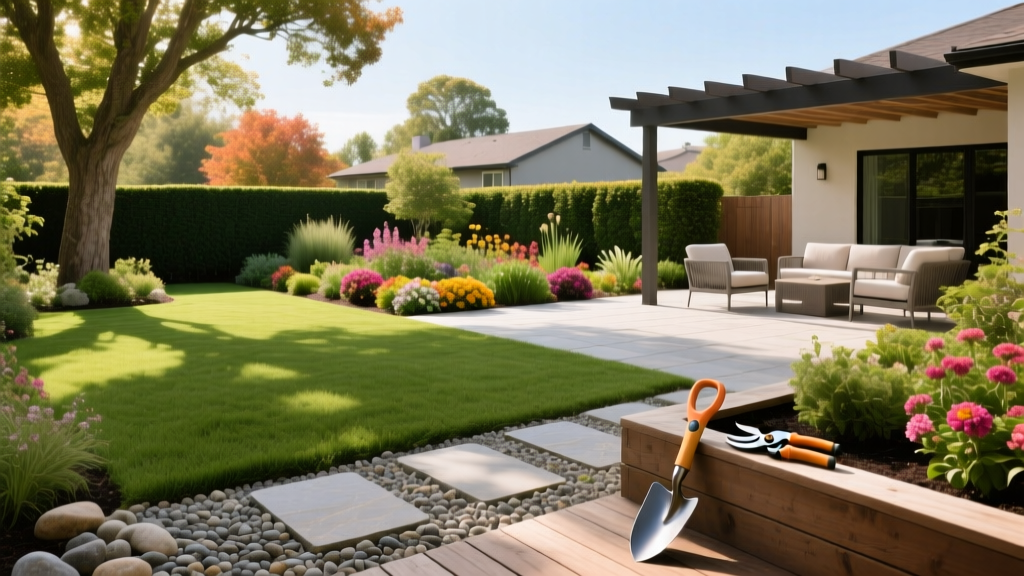
Def Yard Landscaping: How to Define Your Outdoor Zones
In landscape architecture, a poorly planned outdoor space leads to constant maintenance headaches, drainage failures, and visual clutter. Professionals often refer to a highly intentional, sharply bordered layout as a 'def yard'—shorthand for a highly defined yard. Creating a def yard means abandoning the chaotic mix of sprawling grass and encroaching mulch in favor of deliberate, purpose-driven landscape zones. According to the University of Minnesota Extension, proper landscape zoning reduces long-term maintenance time by up to 40% while increasing usable living space.
This guide provides a precise, step-by-step framework for mapping, marking, and physically locking in your yard's definition using commercial-grade materials and exact measurements.
The 4 Core Zones of a Defined Yard
A true def yard is divided into distinct functional areas. Blurring these lines is the primary cause of landscape degradation. Below is the standard allocation matrix used by landscape architects for a typical 5,000-square-foot suburban lot.
| Zone Type | Primary Function | Ideal Area Ratio | Avg. Installation Cost (per sq. ft.) | Weekly Maintenance |
|---|---|---|---|---|
| Living/Turf | Recreation, play, visual resting space | 30% - 40% | $1.50 - $3.00 (Sod) | 1.5 hours (mowing/edging) |
| Hardscape | Patios, walkways, fire pits, seating | 20% - 25% | $15.00 - $35.00 (Pavers) | 15 mins (sweeping/weeding) |
| Planting Beds | Shrubs, perennials, trees, mulch | 25% - 30% | $4.00 - $8.00 (Plants/Mulch) | 45 mins (pruning/weeding) |
| Utility | Compost, sheds, HVAC pads, bins | 5% - 10% | $2.00 - $5.00 (Gravel/Pads) | 10 mins (access clearing) |
By adhering to these ratios, you prevent the most common homeowner mistake: over-allocating space to turf grass, which the EPA WaterSense program notes is the most water-intensive and chemically dependent zone in any residential landscape.
Step-by-Step: Mapping and Marking Your Layout
Do not dig a single trench or lay a single paver until you have physically marked the zones on the ground. Paper plans often fail to account for micro-topography and sightlines.
Step 1: Conduct a Sun and Drainage Audit
Before defining borders, track your yard's solar exposure and water flow. Use a digital lux meter or a simple sun-tracking app to identify areas receiving 6+ hours of direct sun (ideal for turf and vegetable beds) versus deep shade (best for hardscape or hosta/fern beds). Identify natural drainage swales; never place a hardscape zone in a primary runoff path without installing a French drain first.
Step 2: Physical Marking with Inverted Paint
Abandon garden hoses for marking curves—they kink and create jagged, unnatural lines. Instead, use Rust-Oleum Professional Inverted Marking Paint in Fluorescent Orange.
- For straight lines: Use a 100-foot fiberglass measuring tape and two landscaping stakes to pull a tight mason's line. Spray directly along the string.
- For curves: Use the 'pivot and radius' method. Drive a stake at the center point of your desired curve, tie a non-stretch paracord cut to your exact radius (e.g., 8 feet), and pull it taut while walking the perimeter, spraying the ground beneath the cord.
⚠️ CRITICAL WARNING: Call 811 Before You Dig
Before installing any physical edging or digging trenches deeper than 4 inches, you must contact your local utility locating service (Call 811 in the US). Striking a buried fiber-optic or gas line can result in fines exceeding $10,000 and severe safety hazards. Always wait the mandated 2-3 business days for utility marks to be painted on your lawn.
Choosing the Right Edging to Lock In Your Def Yard
A defined yard is only as good as its physical borders. Grass will aggressively rhizome into mulch beds, and mulch will wash onto turf if the barrier is insufficient. Here is a comparison of the most effective commercial-grade edging materials available in 2026.
| Material | Specifications | Lifespan | Cost (per linear ft.) | Best Application |
|---|---|---|---|---|
| Corten Steel | 14-gauge, 4-inch height | 40+ years | $4.50 - $6.50 | Modern designs, tight curves, retaining 2+ inches of mulch. |
| Aluminum | 1/8-inch thick, 4-inch height | 25+ years | $2.50 - $3.50 | Long sweeping curves, separating turf from gravel. |
| Natural Stone | 4-6 inch width, cobblestone | 50+ years | $8.00 - $15.00 | Traditional landscapes, mowing strips (flush with turf). |
| HDPE Plastic | 1-inch thick, 5-inch height | 5 - 7 years | $0.80 - $1.20 | Budget projects, temporary rentals (not recommended for permanent def yards). |
Expert Recommendation: For a permanent, low-maintenance def yard, Corten steel is the undisputed champion. As it oxidizes, it forms a protective rust patina that prevents structural degradation. When installing 14-gauge Corten steel, use a rubber mallet to drive the provided steel stakes through the pre-punched holes, ensuring the top of the edging sits exactly 0.5 inches below the final mowing height. This allows your lawnmower deck to glide over the steel without striking it, eliminating the need for manual string-trimming along the borders.
The 'V-Trench' Method for Soft Borders
If your budget does not allow for hardscape or steel edging, the English V-trench is the most effective soft-border technique. This creates a physical air-gap that stops turf rhizomes from crossing into garden beds.
- Tool Selection: Use a Fiskars 39-inch Half-Moon Edger with a serrated blade. Avoid flat spades, which compact the soil walls and cause cave-ins.
- Dimensions: Cut a trench exactly 4 inches deep and 2 inches wide. The side facing the lawn should be a sheer 90-degree vertical drop, while the side facing the mulch bed should slope at a 45-degree angle.
- Maintenance: Re-cut the vertical lawn-side wall every 8 weeks during the active growing season (May through September) using a manual edger or a motorized stick edger with the blade depth set to exactly 3.5 inches to avoid slicing shallow irrigation lines.
Frequently Asked Questions: Yard Definition
How wide should a mowing strip be?
If you are using pavers or flagstone as a border, the mowing strip must be a minimum of 18 inches wide. This accommodates the standard 21-inch deck of a push mower, allowing you to turn the mower around without the back wheels dropping off the stone and into the mulch bed, which causes scalping and turf damage.
Can I use landscape fabric under my mulch to keep the beds defined?
Avoid standard woven polypropylene landscape fabric in planting beds. While it initially blocks weeds, it prevents organic mulch from breaking down into the soil, starving your plants. Within three years, wind-blown weed seeds settle on top of the fabric, root into the decaying mulch layer, and become nearly impossible to pull. Instead, use a 3-inch layer of double-shredded hardwood mulch and apply a pre-emergent herbicide like Dimension (dithiopyr) in early spring.
What is the best slope grade for hardscape zones?
Patios and walkways must have a minimum slope of 1/8 inch per linear foot (a 1% grade) away from your home's foundation. For a 12-foot deep patio, the far edge must be exactly 1.5 inches lower than the edge touching the house. Use a 4-foot digital level to verify this gradient before compacting your base gravel.
Transforming your property into a true def yard is an exercise in discipline and geometry. By strictly separating your turf, hardscape, and planting zones with commercial-grade edging and maintaining precise V-trenches, you will drastically reduce weekend maintenance hours while achieving a crisp, professional aesthetic that lasts for decades.