
Home & Garden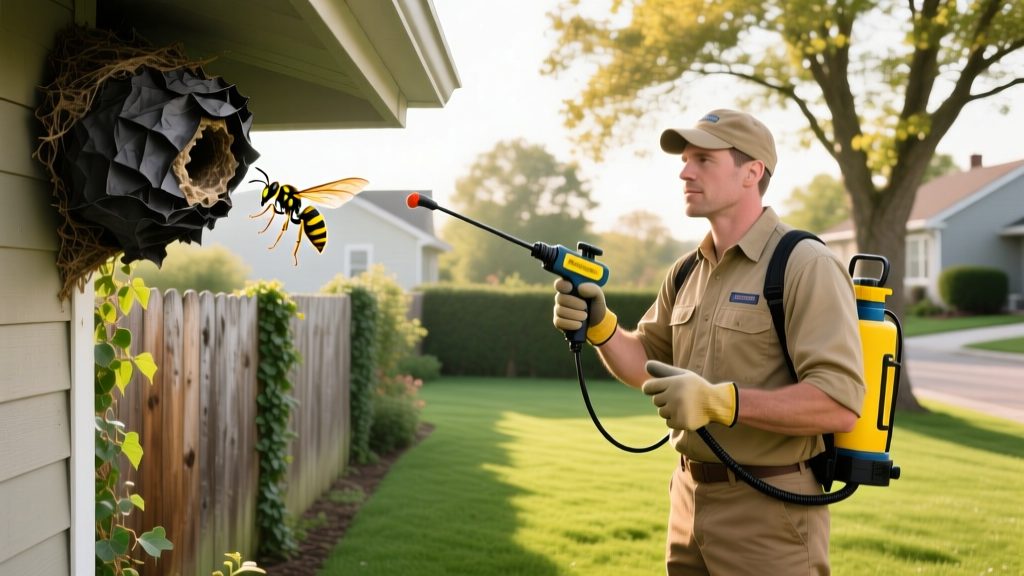
How to Deter Yellow Jackets: Rescue Fixes for Active Nests
Symptom Diagnosis: Confirming the Threat
Before deploying any treatment, accurate identification is critical. Homeowners frequently misidentify beneficial honeybees or solitary wasps as yellow jackets, leading to unnecessary pesticide use and ecological harm. Yellow jackets (Vespula and Dolichovespula species) are aggressive, social wasps characterized by their stark black and yellow banded abdomens, lack of body hair, and distinct side-to-side flight patterns. According to Penn State Extension, unlike honeybees, yellow jackets can sting repeatedly without dying, making them a severe hazard in high-traffic outdoor living spaces.
| Species | Nest Location | Physical Traits | Aggression Level |
|---|---|---|---|
| Yellow Jackets | Ground burrows, wall voids, low eaves | Hairless, bright yellow/black, 0.5 inches | Extreme (especially late summer) |
| Bald-Faced Hornets | Aerial (trees, shrubs, high eaves) | Black and white/ivory, larger (0.75 inches) | Moderate (defensive only) |
| Honeybees | Tree hollows, structural cavities, hives | Fuzzy, golden-brown, pollen baskets | Low (stings only once, then dies) |
Diagnostic Clue: If you observe a steady stream of insects entering a small hole in the lawn or a crack in your siding, you are dealing with a ground-nesting or structural yellow jacket colony. Do not seal the hole before treatment; trapping them inside will force them to chew through drywall into your living spaces.
Rescue Fixes: Neutralizing Active Nests Safely
When a colony is actively disrupting your yard, immediate intervention is required. However, daytime assaults on a nest are a primary failure mode for DIYers. Yellow jackets release an alarm pheromone when threatened, summoning the entire colony to attack. The Environmental Protection Agency (EPA) strongly advises against using unregistered household chemicals or water to flood nests, as this only enrages the colony and drives them deeper into hiding.
⚠️ CRITICAL WARNING: Never treat a yellow jacket nest during daylight hours. Never stand on a ladder to reach an aerial nest while spraying; if the swarm erupts, you risk a fatal fall while being stung. Always plan an escape route before initiating treatment.
The Nighttime Dust Protocol for Ground Nests
Ground nests represent roughly 70% of suburban yellow jacket encounters. Aerosol sprays are largely ineffective here because they cannot penetrate deep into the subterranean chambers. Instead, use a desiccant or insecticidal dust.
- Timing: Wait until at least two hours after sunset. Foraging workers will have returned, and their metabolism will be sluggish due to cooler night temperatures.
- Lighting: Wrap your flashlight lens in red cellophane. Yellow jackets cannot perceive red light wavelengths, allowing you to illuminate the nest entrance without triggering an alarm response.
- Application: Using a hand duster (like the JT Eaton Duster), puff a 2-second burst of Tempo 1% Dust (active ingredient: Cyfluthrin) directly into the entrance hole. Do not cover the hole with dirt afterward.
- The Transfer Effect: As guards exit to investigate the dust, they will track the Cyfluthrin deep into the nest, wiping out the queen and larvae within 24 to 48 hours.
Aerial Nest Takedown
For nests hanging from eaves or tree branches, a jet-stream aerosol is necessary. Products containing Prallethrin and Cypermethrin (such as Spectracide Pro Wasp Stop) shoot a focused stream up to 20 feet. Stand at an angle—not directly underneath the nest—saturate the single entry point at the bottom of the paper envelope, and leave the area immediately. Remove the dead nest with a long pole the following morning.
Seasonal Deterrence: Starving and Repelling the Colony
Understanding how to deter yellow jackets long-term requires aligning your strategy with their seasonal dietary shifts. In spring and early summer, yellow jackets forage exclusively for protein to feed their developing larvae. By late summer and early fall, the colony's life cycle shifts; the queen stops laying eggs, and the workers desperately seek carbohydrates and sugars for their own survival. This is why they become highly aggressive around outdoor dining areas and garbage cans in August and September.
"Attempting to bait yellow jackets with sugar water in June is a fundamental error. Early-season traps must use protein baits, while late-season traps require high-sugar attractants to intercept foraging workers before they reach your patio."
— Integrated Pest Management Guidelines, University of California
Strategic Baiting and Decoy Placement
Decoy Nests: Commercial fake wasp nests rely on the territorial nature of yellow jacket queens. A queen will not establish a colony within 200 feet of an existing one. However, decoys only work as a deterrent in early spring (April to early May) when queens are scouting for nesting sites. Hanging a decoy in July will do absolutely nothing to deter an already-established colony.
Pheromone Trapping: For late-summer rescue deterrence, use traps baited with heptyl butyrate, a synthetic chemical that mimics the scent of rotting fruit and specifically targets yellow jackets while ignoring beneficial honeybees. The Rescue! YJTD-DB01 Trap is the industry standard. Hang these traps at the perimeter of your property (at least 20 feet away from your seating areas) to draw foragers away from human activity zones.
2026 Product & Treatment Matrix
Selecting the correct chemical or physical barrier is dictated by the nest location and the time of year. Below is a breakdown of professional-grade and consumer-grade solutions currently dominating the market.
| Product / Method | Active Ingredient / Mechanism | Est. Cost | Best Use Case |
|---|---|---|---|
| Tempo 1% Dust | Cyfluthrin (Desiccant/Neurotoxin) | $22 - $26 | Ground nests, wall voids, deep structural cavities. |
| Spectracide Wasp Stop | Prallethrin & Cypermethrin | $6 - $9 | Aerial nests, quick knockdown from a 20ft distance. |
| Rescue! YJTD Trap | Heptyl Butyrate (Pheromone lure) | $14 - $18 | Perimeter deterrence, late summer sugar-foraging phase. |
| On-Guard Yellow Jacket Repellent | Methyl Anthranilate (Grape extract) | $15 - $20 | Spraying on outdoor dining tables, non-toxic area repellent. |
When DIY Fails: Recognizing Critical Edge Cases
Not all infestations can be resolved with a $20 bottle of dust. You must recognize structural edge cases where professional extermination is the only safe option:
- Wall Void Colonies: If yellow jackets are entering through a crack in your brickwork or siding, do not seal the hole and do not use aerosol sprays. Spraying inside a wall void will cause the colony to chew through the interior drywall to escape, resulting in a swarm inside your living room. Professionals use specialized micro-injection dusting equipment to treat the void without triggering a breakout.
- Subterranean Mega-Nests: In rare cases, particularly in the Pacific Northwest, yellow jacket colonies can grow to contain over 10,000 workers and span several feet underground. If you apply dust and still see heavy traffic 72 hours later, the nest is likely too deep for surface treatments to reach the queen. Professional pest control operators will use pressurized soil-injection rods to deliver insecticide directly into the deep chambers.
- Allergy Households: If any member of your household carries an EpiPen for Hymenoptera venom allergies, bypass DIY rescue fixes entirely. The risk of anaphylaxis from a startled guard swarm outweighs the cost of a professional service call.
Habitat Modification for Long-Term Prevention
Once the immediate threat is neutralized, alter the environment to prevent future colonization. Yellow jackets require a nearby water source and building materials. Keep compost bins tightly sealed, as the fermentation process produces the exact volatile organic compounds (VOCs) that attract late-season foragers. Repair dripping outdoor spigots and ensure garbage cans feature gasket-sealed lids. By eliminating accessible sugars and proteins, your yard becomes a low-value target for scouting queens the following spring.