
Home & Garden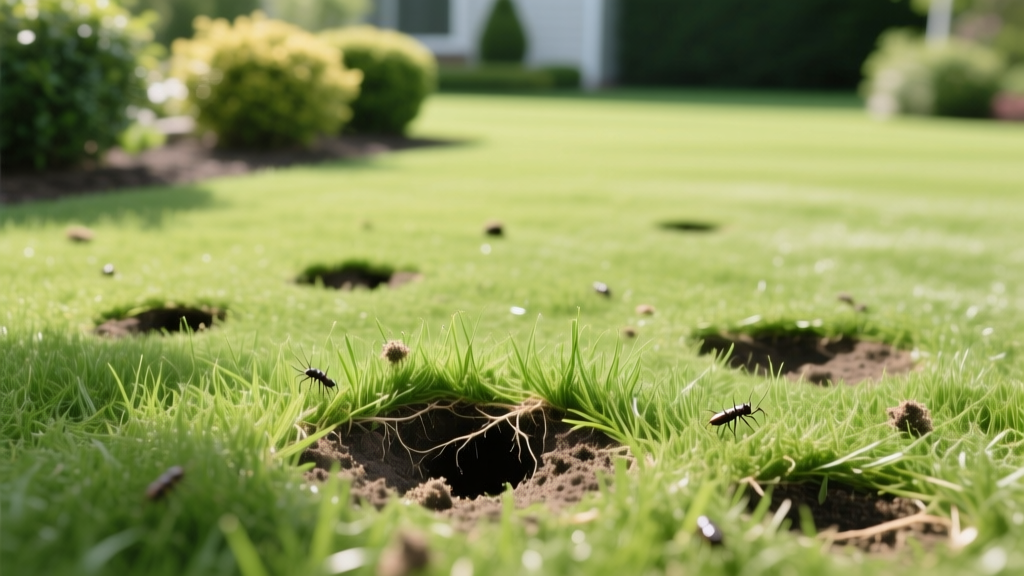
What Causes Small Holes in My Yard? Diagnosis & Fixes
The Diagnostic Framework: Sizing Up the Damage
Waking up to a lawn that resembles a miniature golf course is a common frustration for homeowners. However, treating all yard holes with a single broad-spectrum pesticide or generic repellent is a waste of time and money. Accurate identification requires analyzing three specific variables: the exact diameter of the opening, the presence or absence of excavated soil mounds, and the time of day the damage appears. By cross-referencing these physical clues, you can pinpoint the exact species disrupting your turf and apply a targeted, effective solution.
| Hole Diameter | Soil Mound Shape | Primary Culprit | Active Period |
|---|---|---|---|
| 1/8 - 1/4 inch | Granular pellets (middens) | Earthworms | Night / After rain |
| 1/2 - 1 inch | Horseshoe or loose pile | Cicada Killer Wasps / Ants | Daytime (Summer) |
| 1 - 1.5 inches | None (clean hole) | Meadow Voles | Dawn / Dusk / Night |
| 2 - 3 inches | None or scattered debris | Chipmunks / Ground Squirrels | Daytime |
| 3 - 4 inch divots | Cone-shaped excavations | Skunks / Raccoons | Night |
Invertebrate Architects: Earthworms, Wasps, and Ants
Not all holes indicate a pest problem. In fact, some of the most common small holes in turf are signs of a highly active, beneficial soil food web.
Earthworm Middens (1/8 to 1/4 Inch)
If your lawn is dotted with tiny, 1/8-inch holes surrounded by small, granular pellets of soil (known as middens or castings), you are looking at earthworm activity. Nightcrawlers (Lumbricus terrestris) pull organic matter down into their burrows and excrete nutrient-rich castings on the surface. These castings contain concentrated levels of nitrogen, phosphorus, and potassium. Do not attempt to eradicate earthworms. If the middens become hardened and create a bumpy surface, simply drag a piece of chain-link fence or a heavy landscaping mat across the lawn in early spring to break up the clods before mowing.
Cicada Killer Burrows (1/2 to 1 Inch)
During mid-to-late summer, you may notice 1-inch holes with a horseshoe-shaped mound of loose, sandy soil. According to University of Kentucky Entomology, these are the nesting burrows of the Eastern Cicada Killer wasp (Sphecius speciosus). Despite their intimidating 2-inch wingspan, these are solitary wasps. The females are highly docile and rarely sting unless physically crushed. They provision their burrows with paralyzed cicadas to feed their larvae. Because they prefer sparse, dry, sandy soil, the best long-term deterrent is to thicken your turf canopy through proper overseeding and maintain consistent irrigation to eliminate the dry, bare patches they prefer for nesting.
Mammalian Diggers: Voles, Chipmunks, and Ground Squirrels
When small mammals excavate, the collateral damage to root systems and turf crowns can be severe. Differentiating between a vole and a chipmunk is critical, as their control methods are entirely different.
Vole Runways (1 to 1.5 Inches)
Meadow voles (Microtus pennsylvanicus) create 1 to 1.5-inch holes that serve as entry points to an extensive network of surface runways. Unlike moles, voles do not push soil to the surface; the holes are perfectly clean, and you will often see flattened, 2-inch-wide trails of dead grass leading away from the opening. Voles feed on turf roots, tree bark, and bulbs year-round, but damage is most visible in early spring after snowmelt. The University of California Integrated Pest Management program recommends the 'apple sign test' to confirm active vole presence: place a slice of apple inside a suspected runway and cover it with a shingle. Check it 24 hours later; distinct, parallel gnaw marks confirm active voles.
Chipmunk and Ground Squirrel Burrows (2 to 3 Inches)
Chipmunks dig 2-inch diameter holes that are remarkably clean. This is because chipmunks possess internal cheek pouches and carry excavated soil away from the burrow entrance to hide it from predators. Ground squirrels, conversely, create 2 to 3-inch holes surrounded by large, fan-shaped mounds of displaced dirt. Both species cause structural damage to retaining walls and patio foundations when their burrow systems expand. Exclusion via hardware cloth buried 18 inches deep is the most permanent physical barrier for garden beds adjacent to their territories.
Secondary Foragers: Skunks, Raccoons, and Birds
Sometimes, the holes in your yard are not the primary problem, but a symptom of a secondary issue. If you wake up to find dozens of 3 to 4-inch deep, cone-shaped divots scattered across your lawn, you are dealing with foraging skunks or raccoons. These animals possess an acute sense of smell and are digging specifically to extract white grubs—most commonly the larvae of the Japanese beetle (Popillia japonica) or masked chafers—from the top 2 inches of your soil profile.
Warning: Avoid Chemical Grub Poisons for Foraging Damage
Applying broad-spectrum synthetic grub killers (like Dylox) in late summer when skunks are actively foraging will not immediately stop the digging. The animals will continue to dig up dead or dying grubs. Furthermore, using toxic rodent or mole baits (containing zinc phosphide or bromethalin) to target the diggers poses a severe secondary poisoning risk to neighborhood raptors, owls, and domestic pets, as noted by USDA APHIS Wildlife Services.
Applying broad-spectrum synthetic grub killers (like Dylox) in late summer when skunks are actively foraging will not immediately stop the digging. The animals will continue to dig up dead or dying grubs. Furthermore, using toxic rodent or mole baits (containing zinc phosphide or bromethalin) to target the diggers poses a severe secondary poisoning risk to neighborhood raptors, owls, and domestic pets, as noted by USDA APHIS Wildlife Services.
Targeted Eradication and Lawn Repair Protocols
Once you have identified the specific culprit using the diagnostic matrix above, execute the following targeted protocols to eliminate the pest and restore the soil structure.
Step 1: Break the Grub-Skunk Cycle with Nematodes
To stop skunks and raccoons from tearing up your lawn, you must eliminate their food source without using harsh chemicals that harm foraging birds. Apply beneficial nematodes (Heterorhabditis bacteriophora) in late summer when soil temperatures are consistently above 60°F. These microscopic worms actively seek out and infect white grubs. Purchase a commercial formulation containing at least 50 million nematodes (typically costing around $45 to $60) to cover 5,000 square feet. Apply the nematodes at dusk to avoid UV degradation, and immediately water the lawn with 1/4 inch of irrigation to wash them into the thatch layer where the grubs reside.
Step 2: Trap and Exclude Voles
Repellent sprays containing castor oil offer only temporary, weather-dependent relief against voles. For permanent population reduction, use standard wooden snap traps (such as the Victor M326 Mouse Trap). Bait the trap with a mixture of peanut butter and oatmeal. Place the trap directly inside the vole runway, perpendicular to the path, so the trigger mechanism faces the direction of travel. Cover the trap with a small plastic nursery pot or a bent roofing shingle to protect non-target wildlife and pets from the trap mechanism. Check and reset traps daily until activity ceases.
Step 3: Rebuild the Soil Profile
After the pests are managed, the remaining voids and divots must be filled to prevent water pooling and fungal turf diseases. Do not simply dump raw topsoil into the holes, as this creates drainage sinks that will smother surrounding grass roots. Instead, mix a custom topdressing blend consisting of 70% washed masonry sand and 30% finely screened compost. The sand ensures rapid water infiltration and prevents compaction, while the compost provides the microbial biology needed to stimulate new stolon and rhizome growth. Use a drop spreader or a leveling rake to work the mixture into the holes, ensuring the crown of the existing grass is not buried more than 1/4 inch deep. Overseed bare patches with a turf-type tall fescue or Kentucky bluegrass blend matched to your specific USDA hardiness zone.
Expert Insight: 'The most common mistake homeowners make is treating the symptom rather than the soil. A lawn with a thick, 3-inch layer of thatch acts as a physical barrier that prevents water and nematodes from reaching the soil, while simultaneously providing a perfect, dry nesting habitat for voles and cicada killers. Annual core aeration and dethatching are your primary structural defenses against subterranean pests.'