
Home & Garden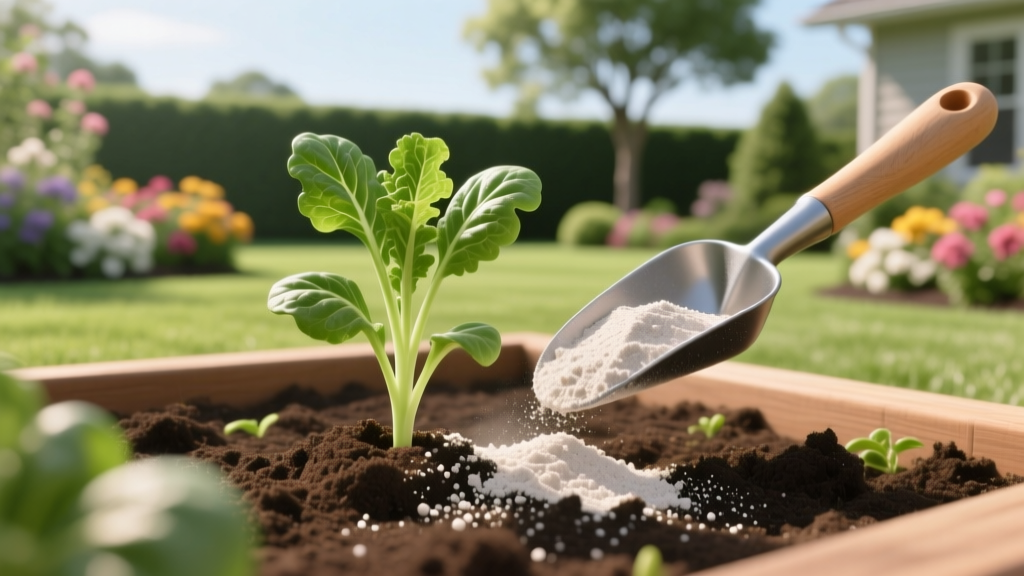
How to Use Diatomaceous Earth for Cutworms Control
The Heartbreak of Severed Seedlings
There are few things more frustrating for a home gardener than waking up to find freshly planted tomato, pepper, or brassica seedlings cleanly severed at the soil line. The culprit is almost always a cutworm—the larval stage of various noctuid moths. These nocturnal caterpillars hide in the top inch of soil during the day and emerge at night to chew through the tender stems of young plants, often dragging the severed foliage into their burrows. While chemical pesticides exist, many home gardeners prefer organic, non-toxic methods to protect their edible crops. This is where diatomaceous earth (DE) becomes an invaluable tool in your pest management arsenal.
When deployed correctly, diatomaceous earth creates an impenetrable, mechanical barrier that stops cutworms before they can reach your vulnerable transplants. However, simply sprinkling white powder around your garden is not enough. Understanding the biology of the pest and the physical properties of the dust is critical for success. This guide breaks down the exact science, application rates, and common pitfalls of using DE for cutworm management in the home garden.
The Science: Why Cutworms Cannot Cross DE
Diatomaceous earth is not a poison; it is a mechanical desiccant. It consists of the fossilized remains of diatoms, microscopic aquatic algae with cell walls made of amorphous silica. Under a microscope, DE particles look like shards of broken glass. According to the National Pesticide Information Center, these microscopic sharp edges interact fatally with the anatomy of soft-bodied insects.
Cutworms, like all caterpillars, are protected by a waxy outer layer called the epicuticle. This layer serves a vital function: it prevents the insect from losing internal moisture to the environment. When a cutworm attempts to crawl over a barrier of diatomaceous earth, the sharp silica shards scratch and absorb this waxy lipid layer. Once the epicuticle is compromised, the caterpillar rapidly loses water through its exoskeleton, leading to fatal desiccation within 24 to 48 hours.
⚠️ Critical Safety Warning: Food Grade vs. Filter Grade
Never use pool-grade or filter-grade diatomaceous earth in your garden. Filter-grade DE is heat-treated (calcined), which converts the amorphous silica into crystalline silica—a known respiratory hazard that can cause silicosis in humans and pets. Always purchase Food Grade or OMRI-Listed diatomaceous earth, which contains less than 1% crystalline silica and is safe for use around edible plants, pets, and humans when applied with basic dust-prevention precautions.
Step-by-Step Application Guide for Seedling Protection
To effectively protect your garden, you must create a continuous physical barrier. Cutworms are persistent and will look for gaps in the dust. Follow this precise protocol when transplanting seedlings in the spring.
Step 1: Timing and Soil Preparation
Apply DE in the late afternoon or early evening, right before cutworms become active. Ensure the soil surface around the base of the plant is relatively dry and free of dense mulch. DE must make direct contact with the insect; if it is buried under a thick layer of wood chips or straw, the cutworm will simply tunnel beneath the barrier.
Step 2: Creating the 'DE Moat'
Using a hand duster, a shaker can, or a specialized bulb duster, apply a continuous ring of food-grade DE around the base of each transplant. The ring should be 2 to 3 inches wide and approximately 1/8 to 1/4 inch thick. Do not pile the DE against the stem of the plant, as this can trap moisture and invite stem rot. Leave a half-inch gap between the plant stem and the inner edge of the DE ring.
Step 3: Dusting the Lower Stem
Some cutworm species, particularly the variegated cutworm (Peridroma saucia), are known to climb the lower stems of plants to feed. Lightly dust the bottom 2 inches of the seedling stem itself to provide secondary protection against climbing larvae.
Step 4: Reapplication Triggers
DE is completely inert and does not break down in sunlight, but it is highly susceptible to moisture. When DE gets wet, the particles clump together, losing their abrasive, electrostatic properties. You must reapply the barrier after any of the following events:
- Heavy rainfall or overhead irrigation.
- Strong winds that blow the dust away from the soil surface.
- Heavy morning dew that causes the dust to cake (though it often regains some efficacy once it dries completely, heavy caking requires reapplication).
Cutworm Species and DE Efficacy Matrix
Not all cutworms behave identically. Understanding which species is prevalent in your region helps you tailor your defense strategy. The University of Minnesota Extension notes that cutworm behavior varies between surface-feeding and climbing species, which directly impacts how well a soil-level DE barrier will perform.
| Cutworm Species | Feeding Behavior | DE Barrier Efficacy | Required Tactic |
|---|---|---|---|
| Black Cutworm (Agrotis ipsilon) | Surface feeder; cuts plants at soil line and drags them to burrows. | High | Standard 2-inch soil moat around transplant base. |
| Variegated Cutworm (Peridroma saucia) | Climbing feeder; scales stems to chew on leaves and upper stems. | Moderate | Soil moat PLUS direct dusting on the lower 2 inches of the plant stem. |
| Army Cutworm (Euxoa auxiliaris) | Migratory surface feeder; consumes entire young seedlings rapidly. | High | Broadcast DE over the entire seedbed surface prior to seedling emergence. |
| Dingy Cutworm (Feltia jaculifera) | Subterranean; feeds on roots and underground stems. | Low | DE is ineffective. Use beneficial nematodes (Steinernema carpocapsae) instead. |
Common Beginner Mistakes That Render DE Useless
Many gardeners abandon diatomaceous earth after a single failure, usually due to one of the following application errors:
1. Applying the Dust Too Thickly
Piling DE an inch thick around a plant does not make it more effective; it just wastes your money. A 4-pound bag of food-grade DE (typically costing between $15 and $25 from brands like Harris or Safer) should treat hundreds of transplants if applied at the correct 1/8-inch thickness. Thick piles are easily blown away by wind and take much longer to dry out after morning dew.
2. Using Overhead Irrigation
If you water your garden with a sprinkler or a spray nozzle that wets the soil surface, you will instantly neutralize your DE barrier. To maintain the efficacy of diatomaceous earth, you must switch to drip irrigation, soaker hoses, or carefully hand-water the soil at the base of the plant without splashing the dust ring.
3. Ignoring the Weed Hosts
Cutworm moths lay their eggs in weedy, overgrown areas in late summer and early fall. If you have a border of tall grasses, chickweed, or pigweed near your garden beds, you are providing a prime nursery for the next generation of cutworms. Clearing a 3-foot weed-free perimeter around your garden beds drastically reduces the local cutworm population, making your DE barriers much easier to maintain.
💡 Pro-Tip: The 'Toilet Paper Tube' Collar Method
For ultimate protection against surface-feeding cutworms, combine DE with physical collars. Save cardboard toilet paper or paper towel tubes, cut them into 3-inch sections, and slit them vertically. Place a collar around each transplant, pushing it 1 inch into the soil and leaving 2 inches above ground. Apply your DE moat around the outside of the cardboard collar. The cardboard blocks the initial chewing attack, while the DE prevents the larvae from crawling over the top or tunneling underneath.
Supplemental Tactics: When DE Is Not Enough
While diatomaceous earth is highly effective against surface-dwelling larvae, it cannot address cutworms that are already living deep in the soil or those that drop directly onto plants from nearby trees. If you are facing a severe, multi-generational infestation, integrate the following biological controls alongside your DE barriers:
- Beneficial Nematodes: Applying Steinernema carpocapsae or Heterorhabditis bacteriophora to the soil in the spring introduces microscopic worms that actively hunt and parasitize cutworm larvae in the top 2 inches of soil. This is the only effective organic treatment for subterranean species like the dingy cutworm.
- Bacillus thuringiensis var. kurstaki (Btk): If climbing cutworms are defoliating the upper canopy of your plants where DE cannot reach, spraying the foliage with Btk (a naturally occurring soil bacterium) will kill the larvae when they ingest the treated leaves.
- Evening Hand-Picking: Because cutworms feed at night, taking a flashlight to the garden between 9:00 PM and 11:00 PM will reveal them actively feeding at the base of plants. Dropping them into a jar of soapy water provides immediate, chemical-free population reduction.
Frequently Asked Questions
Does diatomaceous earth harm earthworms or beneficial soil microbes?
No. Earthworms have a completely different anatomy and produce a thick mucus coating that protects them from the abrasive silica particles. Furthermore, because DE is applied to the soil surface and not tilled deeply into the earth, it does not negatively impact the subterranean soil microbiome.
How long does food-grade DE last on the shelf?
Because it is a fossilized mineral, diatomaceous earth does not expire. As long as it is stored in a sealed, moisture-proof container, it will retain its mechanical insecticidal properties indefinitely.
Can I mix DE into the soil before planting?
Tilling DE into the soil is highly ineffective. The abrasive particles require direct, unobstructed contact with the insect's waxy cuticle. Once buried and surrounded by soil particles, the DE loses its ability to abrade the cutworm. Always apply it as a surface barrier.

