
Home & Garden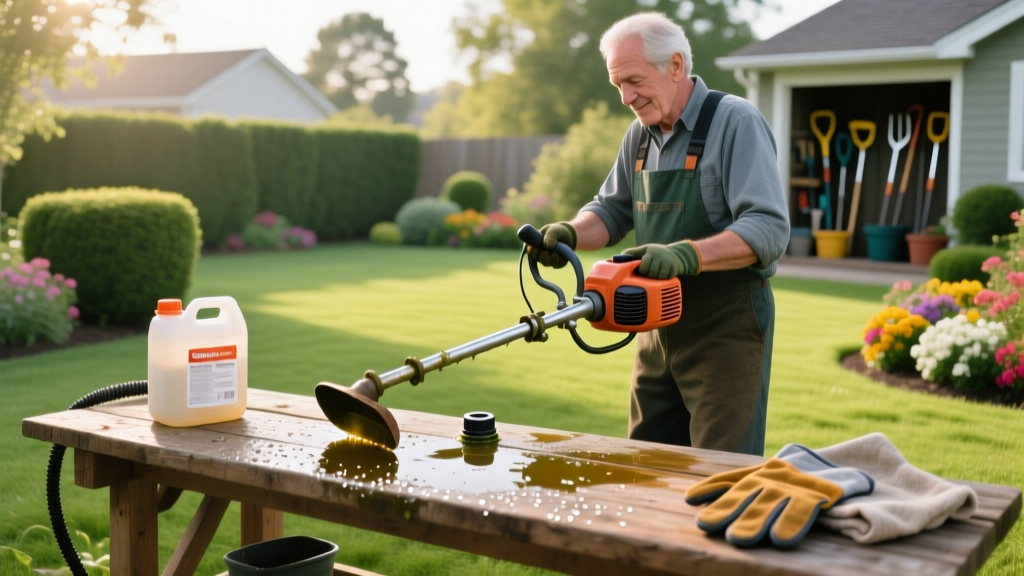
Where Can I Get Rid of Old Gasoline From Lawn and Weed Tools?
The Hidden Link Between Stale Fuel, Shed Pests, and Weed Control
Maintaining a pristine yard requires reliable equipment, but the lifecycle of your gas-powered weed trimmers and brush cutters extends far beyond the cutting line. A critical, often overlooked aspect of the Pest & Weed Removal Playbook is proper garden shed maintenance—specifically, managing hazardous fluids. If you have ever found yourself typing "where can i get rid of old gasoline" into a search engine after discovering a degraded, swollen red plastic fuel jug in the corner of your shed, you are not alone.
Storing stale gasoline improperly does more than ruin your landscaping equipment. Spilled fuel and degrading plastic containers create chemical odors and sheltered environments that attract rodents. Mice and rats frequently nest in cluttered, chemical-smelling shed corners and will aggressively chew through the rubber fuel lines and primer bulbs of your weed whackers. Furthermore, some gardeners mistakenly consider dumping old fuel on stubborn weed patches. This is a catastrophic error that sterilizes the soil microbiome, violates EPA hazardous waste regulations, and ultimately makes future organic weed control impossible.
Why Stale Gasoline Ruins Weed Removal Equipment
Modern gasoline is highly volatile and degrades rapidly. Most regional fuel is blended with up to 10% ethanol (E10). Ethanol is hygroscopic, meaning it absorbs moisture from the air. When a gas-powered weed trimmer sits unused for more than 30 days, the fuel undergoes phase separation. The water-ethanol mixture sinks to the bottom of the tank, directly entering the fuel line and carburetor, while the remaining gasoline loses its combustible volatiles.
This separated fluid leaves behind a thick, sticky varnish that clogs the microscopic jets inside Walbro and Zama carburetors. When you pull the starter cord the following spring, the engine floods, fails to ignite, and requires a complete carburetor rebuild. Properly draining and disposing of this fuel before winter storage is the single most effective way to ensure your weed removal tools start on the first pull.
⚠️ CRITICAL WARNING: Never Dump Gasoline on Weeds
Pouring old gasoline on invasive weeds like bindweed or Bermuda grass is illegal and environmentally devastating. It does not selectively kill weeds; it annihilates the soil's mycorrhizal fungi and beneficial nematodes. The contaminated soil will repel water, prevent future planting, and leach benzene into local groundwater. Always use targeted herbicides or manual extraction for weed removal.
Pouring old gasoline on invasive weeds like bindweed or Bermuda grass is illegal and environmentally devastating. It does not selectively kill weeds; it annihilates the soil's mycorrhizal fungi and beneficial nematodes. The contaminated soil will repel water, prevent future planting, and leach benzene into local groundwater. Always use targeted herbicides or manual extraction for weed removal.
Where Can I Get Rid of Old Gasoline? Local Disposal Matrix
Finding a legal disposal site requires knowing your local municipal infrastructure. Gasoline is classified as a Household Hazardous Waste (HHW). Below is a comparison of the most common disposal avenues available to homeowners managing yard equipment maintenance.
| Disposal Method | Typical Cost | Acceptance Limits | Best For |
|---|---|---|---|
| Municipal HHW Facilities | Free to $15 | Up to 15 gallons | Large jugs, shed cleanouts |
| County Fire Dept. Drop-offs | Free | Varies (often <5 gallons) | Small trimmer tanks, emergency |
| Auto Parts Retailers | Free | Store policy dependent | Mixed oil/gas (2-cycle only) |
| Private Hazmat Contractors | $75 - $150+ | Unlimited | Hoarded fuel, estate cleanouts |
To locate your nearest municipal facility, consult your local waste management authority or utilize the National Fire Protection Association (NFPA) safety guidelines to understand transport limits. Never transport more than 5 gallons in a passenger vehicle, and always use DOT-approved, color-coded red safety cans with flame arrestors.
Step-by-Step: Draining and Prepping Your Trimmer
Before you can dispose of the fuel, you must extract it from your weed removal tools safely. Follow this exact procedure to protect your equipment and your garden shed.
- Run the Engine Dry (If Possible): Start your weed trimmer and let it idle until it stalls. This removes the bulk of the fuel from the carburetor bowl.
- Siphon the Tank: Use a manual hand-pump siphon (never use your mouth) to extract remaining liquid from the trimmer tank into an approved disposal jug.
- Disconnect the Fuel Line: Use needle-nose pliers to pinch the hose clamp and slide the rubber fuel line off the carburetor nipple. Drain any residual fluid into a rag or catch pan.
- Apply Fogging Oil: Remove the spark plug and spray a 3-second burst of marine fogging oil directly into the cylinder. This coats the piston rings and prevents rust during the off-season.
- Stabilize the Disposal Jug: If your local HHW facility requires you to store the old gas for a few weeks before drop-off, add a heavy dose of fuel stabilizer (like STA-BIL Storage) to prevent the jug from pressurizing and swelling due to ongoing oxidation.
Shed Pest-Proofing After Fuel Cleanup
Once the old gasoline is out of your weed trimmers and safely stored for transport, you must address the shed environment. Rodents are highly attracted to the scent of degrading rubber fuel lines and the shelter provided by cluttered landscaping supplies.
- Degrease Spills: Use a commercial enzymatic degreaser or oil-absorbent clay (like Oil-Dri) on any concrete or dirt floors where gas was previously spilled. Eliminating the hydrocarbon scent removes the "marker" that tells rodents this is a safe, sheltered zone.
- Elevate Equipment: Hang weed whackers, edgers, and brush cutters on wall-mounted slatwall hooks. Keeping equipment off the ground removes the dark, enclosed spaces underneath that mice use for nesting.
- Seal Entry Points: Inspect the shed perimeter. Stuff copper mesh into any gaps larger than 1/4 inch around the door frame and foundation, then seal with expanding polyurethane foam. Rodents cannot chew through copper mesh.
- Remove Plastic Gas Cans: If you have old, brittle plastic gas cans that are no longer DOT-compliant, drain them and recycle the plastic. Mice frequently chew through soft, degraded plastic jugs to access the residual sugars left behind by ethanol-blended fuels.
Frequently Asked Questions
Can I mix old gasoline with diesel for disposal?
No. Mixing gasoline with diesel creates a cross-contaminated hazardous waste that many municipal facilities will reject. It also ruins the lubricity of diesel, making it dangerous if accidentally used in a diesel-powered tractor or stump grinder. Keep fuel streams entirely separate.
Will fuel stabilizer revive completely degraded gasoline?
No. Fuel stabilizers (like PRI-G or STA-BIL) are preventative, not restorative. They halt oxidation and prevent phase separation when added to fresh fuel. If your gasoline smells like turpentine, has visible water at the bottom, or appears dark and cloudy, it is beyond saving and must be disposed of via an HHW facility.
How long can I store gas in my shed before it becomes a pest or fire hazard?
Untreated E10 gasoline begins degrading in 30 days. Even with premium stabilizers, gasoline should not be stored in a residential garden shed for more than 6 to 12 months. Prolonged storage increases the risk of plastic container degradation, vapor leaks, and subsequent rodent attraction.
The Playbook Takeaway
Knowing exactly where can i get rid of old gasoline is a foundational skill for any serious gardener. By routing stale fuel to municipal HHW centers, thoroughly draining your weed removal carburetors, and degreasing your shed floors, you protect your equipment investment, prevent catastrophic soil contamination, and eliminate the chemical triggers that invite destructive rodents into your outdoor living spaces.