
Home & Garden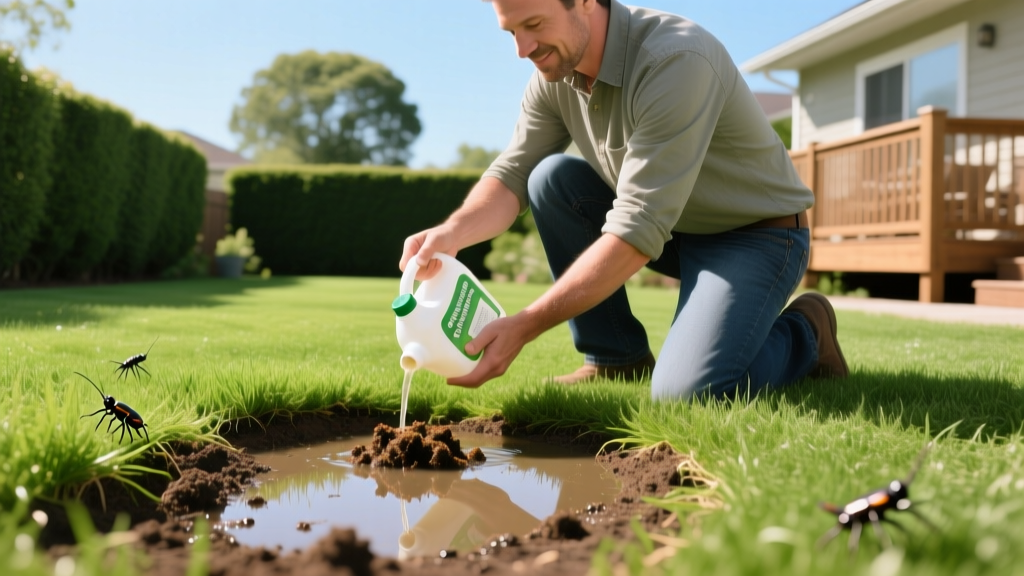
How to Safely Dissolve Dog Poop in Yard Soil and Repair Grass
The Biology of Canine Waste and Turfgrass Toxicity
Managing dog poop in yard environments is a critical component of lawn health and local watershed protection. A single 50-pound dog produces approximately 274 pounds of fecal matter annually. Unlike herbivore manure, canine waste is highly acidic and packed with undigested proteins, resulting in concentrated nitrogen loads that cause severe localized turf burn. Furthermore, the Centers for Disease Control and Prevention (CDC) warns that untreated pet waste harbors dangerous pathogens, including E. coli, Salmonella, and Toxocara canis (roundworms), which can persist in topsoil for years and leach into groundwater during heavy rainfall.
Leaving waste to decompose naturally is not a viable strategy for turfgrass survival. The slow breakdown process creates a localized salt and nitrogen toxicity zone, effectively sterilizing the soil microbiome and killing the root systems of Kentucky bluegrass and fescue. To maintain a pristine landscape, homeowners must transition from simple physical extraction to active biological dissolution and soil remediation.
Step-by-Step Protocol: How to Dissolve Dog Poop in Yard Soil
While physical removal using a scooper is the baseline standard, microscopic residue and soil-bound pathogens remain. Utilizing enzymatic dissolvers breaks down the waste at a molecular level, accelerating decomposition and neutralizing odors without harming the surrounding turf.
Step 1: Physical Bulk Removal
Use a metal-edged scooper to remove the bulk of the fecal matter. Avoid plastic scoopers with thick edges, as they tend to smear the waste into the grass thatch. Dispose of the bulk matter in a biodegradable bag or an in-ground septic system.
Step 2: Enzymatic Application
Apply a commercial enzymatic dissolver directly to the residual stain and surrounding soil. Products like Doggie Doo Dissolver or NaturVet Yard Odor Eliminator utilize specific protease and lipase enzymes that target the proteins and fats in canine waste. Spray the area until the soil is saturated to a depth of 2 inches.
Step 3: Hydration and Activation
Enzymes require moisture to catalyze the breakdown process. Lightly water the treated area with a hose for 30 seconds. Do not use high-pressure nozzles, which will scatter the residual waste. Within 24 to 48 hours, the remaining organic matter will dissolve into the soil profile, where earthworms and natural microbes will finish the decomposition.
⚠️ CRITICAL WARNING: Never use bleach, ammonia, or harsh chemical degreasers to clean dog waste from your lawn. These chemicals will instantly destroy your turfgrass, sterilize the soil, and create toxic runoff that harms local aquatic ecosystems.
Treatment Matrix: Dissolving Agents vs. Physical Extraction
Choosing the right management strategy depends on your yard size, dog population, and soil type. Below is a comparative analysis of the most effective methods for handling dog poop in yard settings.
| Method | Active Agent / Tool | Cost per Treatment | Time to Clear | Lawn Safety |
|---|---|---|---|---|
| Manual Extraction | Metal-edged scooper | $0.05 (bag cost) | Immediate | High (leaves residue) |
| Enzymatic Spray | Protease/Lipase blend | $0.35 - $0.50 | 24 - 48 hours | Excellent (feeds soil) |
| In-Ground Septic | Waste digester tablets | $0.20 | 3 - 5 days | Excellent (contained) |
| Chemical Degradation | Bleach / Ammonia | $0.10 | Minutes | Fatal to turfgrass |
Rehabilitating Nitrogen-Burned and Compacted Zones
Even with prompt removal, the area beneath where the waste sat often suffers from nitrogen toxicity and soil compaction. According to turfgrass specialists at the University of Minnesota Extension, repairing these zones requires a targeted approach to buffer soil salts and reintroduce resilient grass cultivars.
Soil Buffering with Gypsum
To neutralize the concentrated salts and nitrogen left behind by canine waste, apply pelletized gypsum (calcium sulfate). Gypsum improves soil structure and displaces sodium without altering the soil pH. Apply at a rate of 12 pounds per 1,000 square feet directly over the affected zones, and water deeply to drive the calcium into the root zone.
Overseeding with Canine-Resistant Cultivars
Standard Kentucky bluegrass is highly susceptible to nitrogen burn and heavy paw traffic. When repairing dead spots, use a seed mix dominated by turf-type tall fescue or perennial ryegrass. These species possess deeper root systems and higher wear tolerance. For rapid repair, products like Scotts Turf Builder Dog Spot Repair combine seed, mulch, and a mild soil neutralizer in a single application. Rake the dead thatch away, apply the seed mix at a rate of 5 pounds per 1,000 square feet, and keep the soil consistently moist for 14 days.
Installing an In-Ground Septic System for Long-Term Management
For households with multiple large dogs, constantly bagging and trashing waste is unsustainable. An in-ground pet waste septic system, such as the Doggie Dooley Model 3000, operates similarly to a miniature residential septic tank.
- Percolation Test: Dig a test hole 14 inches deep and fill it with water. If it drains within 24 hours, your soil has the necessary drainage for a septic system.
- Installation: Bury the galvanized steel or heavy-duty plastic tank up to its lid. Ensure the lid sits flush with the lawn surface to prevent tripping hazards and mower damage.
- Maintenance: Drop the waste into the tank and add one Doggie Dooley Waste Terminator tablet weekly. The proprietary bacteria and enzymes liquefy the waste, allowing it to safely leach into the subsoil, completely eliminating surface-level dog poop in yard environments.
Frequently Asked Questions
Can I put dog waste in my home compost bin?
No. Home compost bins rarely reach the sustained 165°F (74°C) required to kill dangerous pathogens like roundworms and E. coli. Never use compost containing canine waste on vegetable gardens or edible plants. If you must compost it, use a dedicated, sealed hot-compost system strictly for ornamental beds.
Will lime dissolve dog poop and stop the smell?
Agricultural lime (calcium carbonate) is frequently misunderstood as a waste dissolver. While it can temporarily mask odors by altering surface pH, it does not break down the organic matter. Furthermore, excessive lime application will cause iron chlorosis in your turfgrass, turning your lawn yellow. Stick to enzymatic sprays for actual dissolution.
How often should I treat my yard for pathogens?
If your dogs frequently use the same zones of the yard, apply a broad-spectrum yard spray containing beneficial nematodes or enzymatic cleaners every 30 days during the active spring and summer seasons to keep pathogen loads and odor-causing bacteria in check.