Home & Garden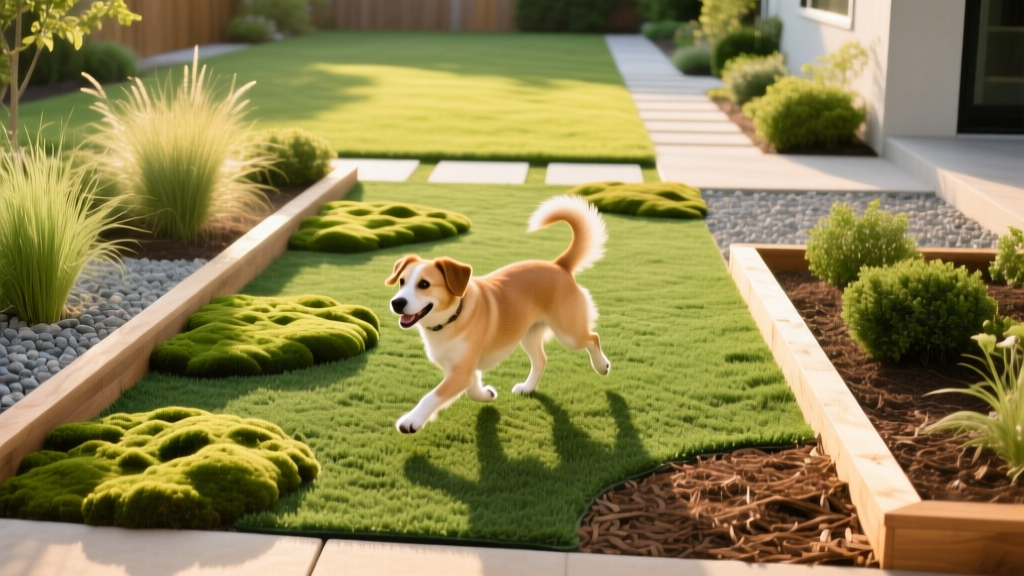
How to Cover Mud in Yard for Dogs: Best Pet-Safe Ground Covers
The Science of Muddy Dog Yards: Why Grass Fails
When dogs repeatedly run the same paths along fences or sprint toward the back door, they create what landscape architects call 'desire lines.' The continuous impact of dog paws compresses the soil, reducing pore space and destroying the soil structure. According to Penn State Extension, severe soil compaction restricts water infiltration and suffocates grassroots, turning high-traffic zones into permanent mud bogs. If you are trying to figure out how to cover mud in yard for dogs, simply throwing down straw or planting more grass seed will not work. You must replace the biological surface with a structural, permeable, and paw-safe ground cover that withstands heavy impact while allowing water to drain.
The Decision Matrix: Choosing Your Mud Cover
Not all ground covers are created equal. The right choice depends on your budget, your dog's digging habits, and your local rainfall. Use this comparison framework to select the best material for your specific yard conditions.
| Material | Est. Cost (per sq ft) | Drainage Rate | Paw Comfort | Best Use Case |
|---|---|---|---|---|
| Washed Pea Gravel | $1.50 - $3.00 | High | Medium | Budget-friendly paths & run zones |
| Arborist Wood Chips | $0.50 - $1.50 | Medium | High | Large shaded areas & natural looks |
| Pet-Specific Artificial Turf | $8.00 - $14.00 | Very High | High | Premium patios, small yards, & potty zones |
| Engineered Rubber Mulch | $4.00 - $6.00 | High | Very High | Play zones & shock-absorbing runs |
Deep Dive: Top 4 Dog-Safe Ground Covers
1. Washed Pea Gravel (The Budget Drainage Champion)
Pea gravel consists of small, smooth, rounded stones. For dog yards, you must specifically request 3/8-inch washed pea gravel. The 'washed' specification is critical; unwashed gravel contains rock dust and fines that will mix with rain and recreate the exact mud problem you are trying to solve.
- Installation Depth: 3 inches minimum to prevent dogs from kicking the underlying base dirt up to the surface.
- Edging Requirement: You must install rigid aluminum or steel landscape edging. Dogs will easily dig under and displace cheap plastic poly-edging, causing the gravel to spill into adjacent grass.
- Failure Mode: Avoid using pea gravel in full-sun zones for dark-coated dogs in southern climates; the stones can absorb heat and burn sensitive paw pads during July and August.
2. Arborist Wood Chips (The Natural, Free Option)
Unlike decorative bark mulch, arborist chips are a mix of shredded wood, bark, and leaves. They interlock tightly, making them highly resistant to dog digging and displacement. Services like ChipDrop often deliver these for free or under $100 per truckload.
- Installation Depth: 4 to 6 inches. Wood chips compress and decompose over time, so you will need to top-dress the area with 2 inches of fresh chips every 18 months.
- Nitrogen Tie-Up Warning: Never till or mix wood chips into the underlying soil. As they break down, soil microbes consume nitrogen, starving nearby plants. Keep them strictly as a surface layer.
3. Pet-Specific Artificial Turf (The Premium Solution)
Standard landscaping turf traps heat and holds urine odors. If you choose synthetic grass, you must buy turf engineered specifically for pets, such as K9Grass by ForeverLawn or similar products with a face weight of at least 50oz and a fully permeable, hole-punched backing.
- Drainage Specs: Look for a drainage rate exceeding 400 inches per hour to ensure urine and rain pass through instantly.
- The Infill Secret: Never use standard silica sand infill. Instead, use Zeolite infill (Clinoptilolite). Zeolite is a naturally occurring mineral with a negative charge that traps positively charged ammonia ions from dog urine, neutralizing odors at the molecular level. Expect to pay $15 to $22 per 50lb bag, applying roughly 1.5 lbs per square foot.
4. Engineered Rubber Mulch (The Soft Play Surface)
Rubber mulch provides excellent shock absorption for older dogs with joint issues. However, you must verify that the product is IPEMA-certified and 99.9% steel-free to prevent rusted wire from injuring paws. Brands like Vigoro and NuLandscape offer pet-safe variants.
⚠️ CRITICAL WARNING: Avoid Cocoa Bean Mulch
Never use cocoa bean mulch to cover mud. It contains theobromine and caffeine—the same toxic compounds found in chocolate. Ingestion by dogs can cause vomiting, diarrhea, tremors, and fatal seizures. Always verify mulch ingredients and consult the Pet Poison Helpline guidelines if unsure about a specific landscape product.
Step-by-Step Installation: Building a Base That Won't Sink
The biggest mistake beginners make is dumping ground cover directly onto existing mud. Within three weeks, the heavy stones will sink into the clay, and the mud will return. You must build a structural base. According to landscape design principles endorsed by the American Kennel Club, proper drainage and base preparation are the keys to a lasting dog run.
Step 1: Excavation and Grading
Dig out the muddy area to a depth of 5 inches. Ensure the sub-grade slopes away from your home's foundation at a minimum grade of 1/8 inch per foot to direct water runoff away from the house.
Step 2: Lay Heavy-Duty Geotextile Fabric
Line the excavated trench with a 4oz to 6oz non-woven geotextile landscape fabric. Do not use the cheap, woven black plastic weed barrier from big-box stores; it tears under dog claws and blocks water drainage. Non-woven fabric allows water to pass through while preventing your base rock from mixing with the native clay below.
Step 3: Install the Aggregate Base
Add 3 inches of 3/4-inch minus crushed angular limestone. The angular edges lock together when compacted, creating a concrete-like sub-base that dogs cannot dig through. Rent a vibrating plate compactor to mechanically tamp this layer until it is rock solid.
Step 4: Apply the Top Cover
Add your chosen surface material (e.g., 2 inches of washed pea gravel or 4 inches of arborist chips) directly over the compacted base.
Maintenance and Odor Control Framework
Covering the mud is only half the battle; maintaining the hygiene of the space ensures your yard remains usable and odor-free throughout the year.
- Solid Waste Management: Remove solid waste daily. In porous ground covers like gravel or wood chips, left-behind waste will break down and wash into the base layer, creating a permanent bacterial smell.
- Enzymatic Flushing: Once a month, or after heavy heatwaves, spray the area with a pet-safe enzymatic yard cleaner (such as Simple Green Outdoor or Angry Orange). These break down uric acid crystals that water alone cannot dissolve.
- Raking and Leveling: Dogs will naturally kick and displace loose materials. Keep a heavy-duty landscape rake nearby and redistribute gravel or chips weekly to maintain the required depth and prevent bare spots from exposing the base layer.
By abandoning failing grass in high-traffic zones and installing a properly engineered, permeable ground cover, you eliminate the mud at its source. Your dog gets a clean, dry surface for sprinting and playing, and you reclaim your weekends from the endless cycle of mopping muddy paw prints off your floors.