
Home & Garden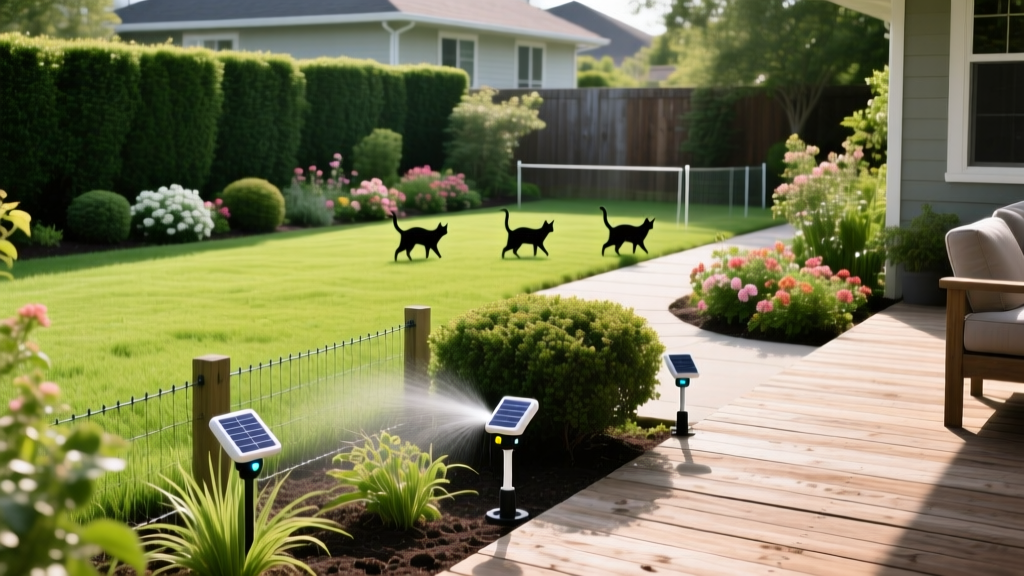
How to Keep Feral Cats Out of Your Yard: Proven Deterrents & Barriers
The Diagnostic Phase: Confirming Feral Cat Activity
Before deploying deterrents, you must confirm that the intruders are actually feral cats (unsocialized, wild-born felines) rather than stray domestic cats or other wildlife like raccoons or foxes. Feral cats exhibit distinct behavioral patterns: they are primarily nocturnal, avoid direct eye contact, and rarely vocalize in the presence of humans.
Look for specific physical evidence in your garden beds. Feral cats prefer soft, freshly turned soil for elimination. Unlike domestic cats that often bury their waste, feral males frequently leave their scat uncovered on the surface or atop raised mounds to mark territory. You may also notice a pungent, ammonia-like odor from urine spraying on vertical surfaces like fence posts or the sides of your home.
Health Alert: Toxoplasmosis Risk
Feral cat feces can harbor Toxoplasma gondii, a parasite that causes toxoplasmosis. The oocysts take 1 to 5 days after excretion to become infectious. When cleaning up garden scat, always wear thick rubber gloves and a mask to avoid inhaling dust from dried feces. Wash your hands thoroughly with soap and water afterward, and follow the CDC's Toxoplasmosis guidelines for safe environmental decontamination.
Feral cat feces can harbor Toxoplasma gondii, a parasite that causes toxoplasmosis. The oocysts take 1 to 5 days after excretion to become infectious. When cleaning up garden scat, always wear thick rubber gloves and a mask to avoid inhaling dust from dried feces. Wash your hands thoroughly with soap and water afterward, and follow the CDC's Toxoplasmosis guidelines for safe environmental decontamination.
Why Your Yard is a Target (The Attraction Matrix)
Cats do not trespass randomly; they follow resource maps. If feral cats are consistently entering your yard, your property is providing one of three critical resources: food, shelter, or ideal latrine conditions. Diagnosing the attraction is the first step in permanent exclusion.
| Yard Attraction | Diagnostic Sign | Permanent Modification |
|---|---|---|
| Soft Mulch / Bare Soil | Shallow digging, uncovered scat in flower beds | Lay 1-inch hexagonal chicken wire just beneath the topsoil, then cover with decorative river rock or prickly holly cuttings. |
| Accessible Shelter | Cats darting under decks, sheds, or porches at dawn | Seal all crawl spaces and gaps with 1/2-inch galvanized hardware cloth, burying the bottom edge 6 inches deep to prevent digging. |
| Unsecured Food Sources | Tipped trash cans, missing pet food, scavenged birdseed | Use bungee cords on trash lids, bring pet food indoors at dusk, and switch to baffled bird feeders that catch dropped seed. |
Tier 1: Active Deterrent Systems (Tech & Water)
Once you have removed the primary attractions, deploy active deterrents to break the cats' habit of entering your space. Feral cats are highly adaptable, so relying on a single method often leads to habituation. Rotate or combine these technologies for maximum efficacy.
Motion-Activated Sprinklers
The sudden combination of movement, noise, and water is the most universally effective feral cat deterrent. The Orbit 62100 Yard Enforcer (retailing around $65-$75) is the industry standard. It features an infrared sensor with a 35-foot detection range and a 70-degree arc.
- Installation Specs: Requires a constant water supply with 30 to 120 PSI. Mount the sensor 24 to 30 inches off the ground to target the cat's body, not the ground.
- Failure Mode: Internal valves will crack if water freezes inside the unit. You must drain and winterize the sprinkler when temperatures drop below 32°F.
Ultrasonic Repellents
Devices like the Aspectek Predator Guard ($35-$45) emit high-frequency sound waves (13.5 kHz to 23.5 kHz) paired with flashing LED strobes. While invisible to most humans, this frequency range is highly irritating to felines.
- Placement: Mount at 20 inches high, angled slightly downward. Ensure there are no solid obstacles (like thick shrubs) blocking the line of sight to the sensor.
- Failure Mode: Ultrasonic waves degrade over distance and are blocked by physical barriers. Furthermore, older feral cats (over 10 years) often suffer from age-related high-frequency hearing loss, rendering the device ineffective against senior intruders.
Tier 2: Physical Exclusion & Barrier Engineering
If active deterrents fail or you require a 100% guaranteed exclusion zone (such as around a koi pond or a vegetable garden), physical barriers are mandatory. Cats possess explosive leaping power, capable of jumping 5 feet vertically from a standstill and scrambling up textured surfaces with ease.
The 6-Foot Angled Fence Rule
A standard vertical fence will not stop a determined feral cat. To prevent climbing, your perimeter fence must be at least 6 feet tall. The critical modification is the L-footer overhang. Attach a 12-inch to 18-inch section of wire mesh or PVC lattice to the top of the fence, angled inward at 45 degrees toward your yard. When a cat reaches the top and attempts to pull its body over, the inward angle shifts their center of gravity backward, forcing them to drop down.
Coyote Rollers for Smooth Surfaces
If you have a masonry or smooth wood fence where an angled overhang is aesthetically unpleasing, install Coyote Rollers. These are 18-inch diameter, free-spinning aluminum tubes that mount to the top of fences 5 feet or higher. Priced at approximately $150 per 10-foot section, they eliminate the leverage a cat needs to pull its hindquarters over the wall. When the cat grabs the roller, it spins freely, dropping the animal back to the ground without causing injury.
Tier 3: Botanical & Textural Deterrents
For localized protection of specific garden beds where fencing is impractical, utilize plants and textures that cats actively avoid.
- Plectranthus ornatus (formerly Coleus canina): Commonly marketed as the 'Scaredy Cat' plant, it emits a volatile terpene that smells intensely like skunk to felines and canines, though it is barely perceptible to humans unless the leaves are crushed. Plant them at 2-foot intervals along garden borders.
- Prickly Mulch: Cats despise walking on sharp surfaces. Spread a 2-inch layer of sweetgum balls, pine cones, or crushed oyster shells over the soil in your most vulnerable planting zones.
- Rosa rugosa: Planting this dense, heavily thicketed rose variety creates an impenetrable, thorny living wall that cats will refuse to push through.
What to Avoid: Ineffective & Inhumane Tactics
When frustrated by property damage, homeowners often resort to tactics that are either illegal, ecologically damaging, or entirely ineffective.
The TNR Alternative
Lethal control or relocation does not solve feral cat problems; it simply triggers the 'vacuum effect,' where new cats migrate into the vacated territory to exploit the available resources. The only scientifically proven method for long-term population reduction is Trap-Neuter-Return (TNR). Contact local animal welfare organizations to coordinate TNR efforts. For more information on humane management, consult the Humane Society's feral cat resources or the ASPCA's community cat guidelines.
Lethal control or relocation does not solve feral cat problems; it simply triggers the 'vacuum effect,' where new cats migrate into the vacated territory to exploit the available resources. The only scientifically proven method for long-term population reduction is Trap-Neuter-Return (TNR). Contact local animal welfare organizations to coordinate TNR efforts. For more information on humane management, consult the Humane Society's feral cat resources or the ASPCA's community cat guidelines.
- Mothballs (Naphthalene): Highly toxic to children, pets, and local wildlife. Mothballs leach into the soil and contaminate groundwater. They are also largely ineffective as an outdoor cat repellent due to rapid dissipation.
- Pepper Sprays / DIY Hot Sauce Mixes: While capsaicin irritates a cat's nasal passages, these homemade sprays wash away after just 0.25 inches of rainfall and can cause permanent corneal damage to the animal, crossing the line from deterrent to cruelty.
- Glue Traps: Indiscriminate and inhumane. They will catch non-target wildlife, including beneficial pollinators, birds, and native lizards, and are illegal to use outdoors in many municipalities.
Frequently Asked Questions
Will coffee grounds keep feral cats out of my garden?
While often cited as a home remedy, spent coffee grounds are largely ineffective. The scent dissipates within 48 hours outdoors, and the grounds actually improve soil tilth and nitrogen content, potentially making the soil softer and more attractive for digging once the smell fades.
How do I stop cats from using my raised vegetable beds as a litter box?
Cover the beds with lightweight, UV-stabilized bird netting or floating row covers when the plants are young. Once the plants mature and fill the space, the physical density of the foliage usually deters entry. Alternatively, lay chicken wire flat across the soil surface and plant through the holes; the plants will grow through, but cats cannot dig.
Do ultrasonic devices bother my own indoor/outdoor pets?
Yes. If your dog or cat spends time in the yard, ultrasonic deterrents will cause them significant stress and anxiety. In mixed-pet households, rely exclusively on motion-activated sprinklers or physical barriers instead of sonic emitters.