
Home & Garden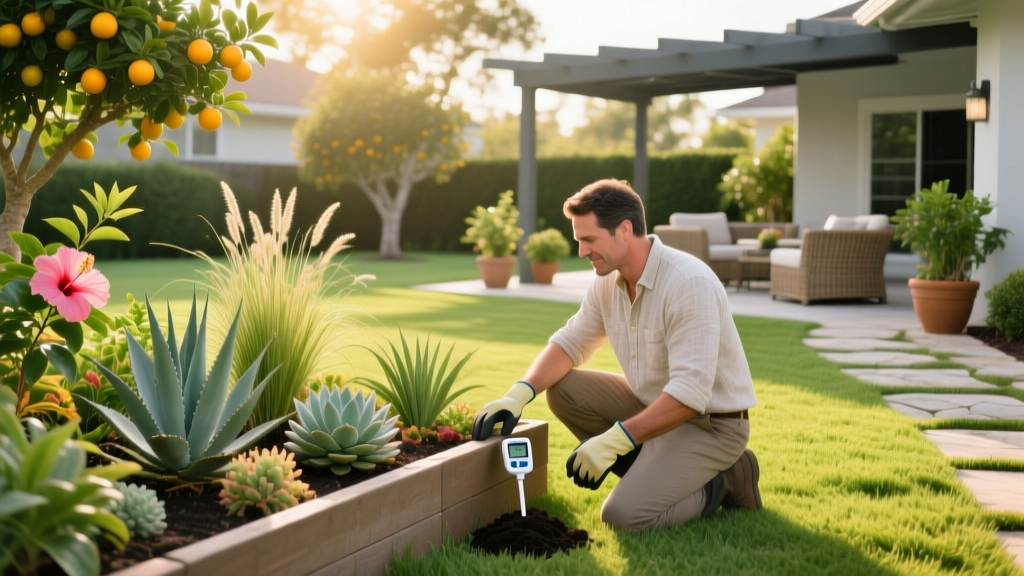
What Zone Is Florida? USDA Hardiness Map & Planting Guide
The Short Answer: What Zone Is Florida?
Florida spans an expansive range of USDA Plant Hardiness Zones 8a through 11b. Following the comprehensive map update released by the USDA Agricultural Research Service, much of the state shifted approximately one-half zone warmer. This means areas previously classified as Zone 9a are now largely 9b, and Central Florida pockets have pushed into 10a. However, relying solely on the USDA cold-hardiness map is the most common mistake new Florida transplants make. To successfully landscape in the Sunshine State, you must cross-reference cold zones with heat tolerance, chill hours, and highly localized soil pH.
Florida USDA Zones by Region: Temperature & Soil Matrix
The state's diverse geography creates distinct planting corridors. Use the matrix below to identify your baseline regional parameters before selecting turfgrass, trees, or shrubs.
| Region | USDA Zones | Avg. Annual Min Temp | Dominant Soil Profile | Primary Landscaping Challenge |
|---|---|---|---|---|
| Panhandle / North FL | 8a - 8b | 10°F to 20°F | Acidic sandy loam, clay subsoils | Occasional hard freezes; requires cold-tolerant cultivars. |
| Northeast / North Central | 8b - 9a | 15°F to 25°F | Sandy, well-draining, moderate organics | Nematode pressure; erratic spring frost dates. |
| Central Florida (Orlando/Tampa) | 9b - 10a | 25°F to 35°F | Deep sand, low nutrient retention | Summer heat stress; high humidity fungal diseases. |
| South Florida (Miami/Fort Lauderdale) | 10b - 11a | 35°F to 45°F | Alkaline limestone, marl, high pH (7.5-8.5) | Iron/manganese lockout (chlorosis); zero chill hours. |
| Florida Keys | 11b | 45°F to 50°F | Sandy coral rock, extreme alkalinity | Salt spray, hurricane winds, shallow soil depth. |
The "Florida Trap": Why USDA Cold Zones Aren't Enough
If you ask a national nursery what zone is Florida, they will look at the USDA map and recommend plants that survive your winter lows. But the USDA map completely ignores summer heat and winter dormancy requirements. According to UF/IFAS Gardening Solutions, a plant rated for Zone 8 (like a traditional Northern Lilac or a Honeycrisp Apple) will easily survive a Zone 8a Florida winter in Pensacola. However, it will die by year three because it never receives the required "chill hours" to break dormancy, and it cannot withstand the oppressive July humidity.
⚠️ The Chill Hour Rule: Chill hours are the cumulative hours a plant spends between 32°F and 45°F. North Florida receives 400–600 chill hours annually. Central Florida gets 150–300. South Florida receives virtually zero. Always verify a plant's chill-hour requirement before purchasing, regardless of its USDA cold-hardiness rating.
Integrating the AHS Heat Zone Map
To get a complete picture, pair your USDA zone with the American Horticultural Society (AHS) Heat Zone Map, which tracks the number of days a region exceeds 86°F. While a gardener in Zone 8a Washington state experiences mild summers, a gardener in Zone 8a Florida experiences 120+ days of extreme heat. Therefore, Florida gardeners must select plants that are both cold-hardy enough for their USDA zone and heat-tolerant enough for AHS Heat Zones 10 or 11.
Zone-by-Zone Turfgrass and Landscape Selection
Selecting the right grass and foundation plants requires matching specific cultivars to your localized zone. Do not buy generic "Florida Mix" seed; it often contains ryegrass that will scorch and die by May.
Zones 8a - 8b (The Panhandle & Deep North)
- Turfgrass: 'Argentine' Bahiagrass (highly drought tolerant, handles poor soils) or 'Tifway' Bermudagrass (requires full sun). Centipedegrass is excellent for low-maintenance, acidic soils.
- Trees & Shrubs: Satsuma citrus (cold-hardy to 15°F), Pecan trees, Southern Magnolia, and Camellias (which require the region's chill hours to bloom).
- Edge Case: Avoid 'Floratam' St. Augustine grass here; a hard freeze below 20°F will cause severe winterkill.
Zones 9a - 9b (North-Central to Central Transition)
- Turfgrass: 'Palmetto' or 'Seville' St. Augustine (better cold tolerance than Floratam), or 'Empire' Zoysia (excellent wear tolerance and moderate shade tolerance).
- Trees & Shrubs: Washingtonian Palms, Live Oaks, and cold-hardy avocados (like 'Donnie' or 'Tonnage', protected during rare 25°F dips).
- Edge Case: This is the battleground zone for citrus. Plant cold-hardy rootstocks (like Swingle citrumelo) and be prepared to use micro-sprinklers for frost protection during advective freezes.
Zones 10a - 10b (Central-South & Coastal Corridors)
- Turfgrass: 'Floratam' St. Augustine (the state standard, highly resistant to chinch bugs but requires full sun) or 'Celebration' Bermudagrass.
- Trees & Shrubs: Mangoes, Lychee, Macadamia nuts, and Royal Palms.
- Edge Case: Soil nematodes are highly destructive in Central/South Florida deep sands. Always plant grafted fruit trees on nematode-resistant rootstocks.
Zones 11a - 11b (Miami-Dade, Broward, and the Keys)
- Turfgrass: St. Augustine or Bermudagrass. Note that cool-season overseeding (like annual ryegrass for winter color) is entirely unnecessary and will fail due to lack of cold stratification.
- Trees & Shrubs: Key Limes, Sea Grapes, Gumbo Limbo, and Bird of Paradise.
- Edge Case: The alkaline limestone soil (pH 8.0+) locks up iron and manganese. You must apply chelated iron (EDDHA form) to prevent severe yellowing (chlorosis) in acid-loving tropicals like Ixora and Gardenia.
Microclimates: How Your Specific Yard Defies the Map
The USDA Interactive Map provides a macro view, but your specific property might operate in a different zone entirely due to microclimates.
🏙️ The Urban Heat Island Effect
Concrete, asphalt, and brick absorb solar radiation and release it at night. A yard in downtown Orlando or Miami may experience minimum winter temperatures 4°F to 6°F warmer than a rural field just 10 miles away. This effectively pushes a Zone 9b urban yard into Zone 10a territory, allowing you to overwinter marginal tropicals that would die in the suburbs.
🌊 The Coastal Buffer
Properties within one mile of the Atlantic or Gulf coast benefit from the thermal mass of the water. Coastal breezes prevent hard freezes, but they also bring salt spray. If you are in a coastal Zone 9b, prioritize salt-tolerant species like Sea Oats, Buttonwood, and Coconut Palms over inland Zone 9b recommendations.
Step-by-Step: Verifying Your Exact Planting Parameters
Before purchasing high-ticket landscape materials or laying sod, execute this 3-step verification process:
- Pinpoint Your Zip Code on the USDA Map: Use the official USDA Plant Hardiness Zone Map interactive tool. Zoom in to your exact street, as zone lines often follow specific topographical features or urban boundaries.
- Test Your Soil pH and Nematodes: Pull 5-6 soil cores from your yard (3 inches deep) and send them to your local UF/IFAS Extension office for a $10-$15 analysis. Knowing if your pH is 5.5 (North FL) or 8.2 (South FL) dictates your fertilizer and micronutrient strategy more than your zone does.
- Map Your Sun and Wind Corridors: Track where the winter sun hits your yard. A south-facing brick wall creates a thermal pocket that can protect a Zone 10 citrus tree in a Zone 9a yard, while a north-facing open corridor will funnel freezing winds that kill the exact same tree.
Frequently Asked Questions
Can I grow cool-season grasses like Fescue or Kentucky Bluegrass in Florida?
No. Even in the cooler Panhandle (Zone 8a), the summer heat and humidity will cause cool-season grasses to succumb to fungal diseases and heat stress by late May. Florida lawns require warm-season grasses like St. Augustine, Zoysia, Bahia, or Bermuda. If you want winter color, you can overseed with annual ryegrass in North/Central Florida, but it will naturally die off by April.
What zone is Central Florida for growing citrus?
Central Florida generally falls into Zones 9b and 10a. While sweet oranges and grapefruits thrive here, they are vulnerable to occasional advective freezes (where temperatures drop below 28°F for several hours). Commercial and residential growers in this zone must utilize micro-sprinkler irrigation systems to create an ice-insulation barrier on the trunks during freeze events.
Why do my Zone 10 tropical plants keep dying in Miami if it never freezes?
If cold isn't killing your Zone 10 plants in South Florida, alkaline soil is. Miami-Dade County sits on porous limestone. The resulting high soil pH (often above 7.8) prevents plant roots from absorbing iron, manganese, and zinc. You must apply specialized micronutrient fertilizers containing EDDHA-chelated iron and use heavy organic compost mulches to buffer the root zone and lower localized pH.

