
Home & Garden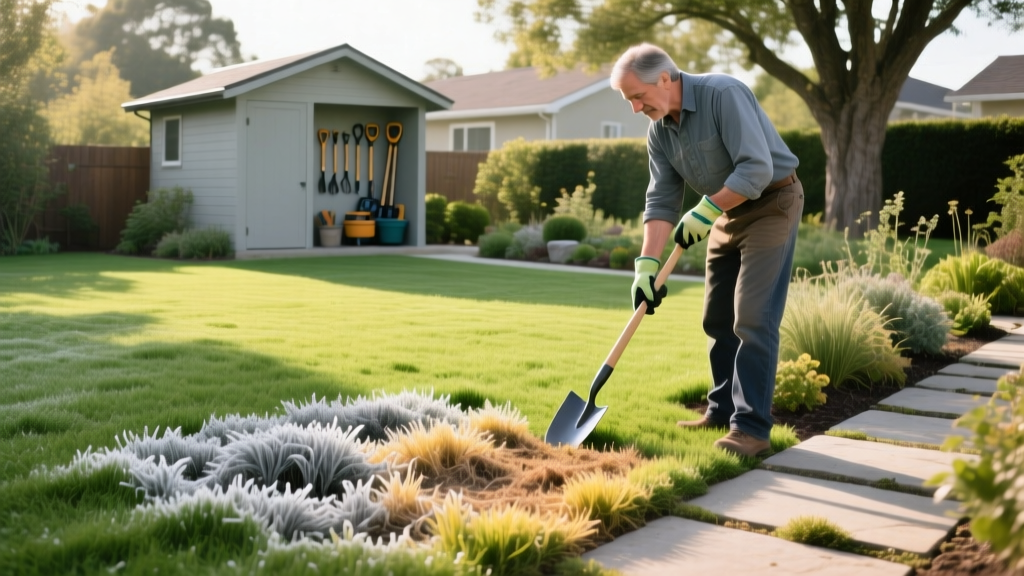
Frost Browning on Lawns: Causes, Recovery, and Prevention
The Physiology of Frost Browning
Frost browning is a cosmetic and physiological shock response in warm-season turfgrasses—specifically Bermudagrass, Zoysia, St. Augustine, and Centipedegrass. It occurs when air temperatures plummet below 32°F (0°C) before the plant has fully acclimated for winter dormancy, or during sudden late-spring cold snaps. Unlike cool-season grasses (like Tall Fescue or Kentucky Bluegrass) that thrive in cooler temperatures, warm-season grasses experience cellular damage in their leaf blades when ice crystals form inside the plant tissue. The crown and root system remain perfectly alive, but the visible blades turn a pale white, then crispy brown.
For beginners, this sudden discoloration is often mistaken for a fungal disease or permanent winter kill. Understanding the difference is critical, as applying fungicides to a frost-browned lawn wastes money and introduces unnecessary chemicals into your soil ecosystem. According to turfgrass research from NC State TurfFiles, the key indicator of frost browning is that the damage is strictly foliar (leaf-deep) and typically appears uniformly across the highest points of the grass canopy within 24 to 48 hours of a hard freeze.
Diagnostic Matrix: Frost Browning vs. Fungal Pathogens vs. Winter Kill
Before applying any treatments, use this diagnostic matrix to confirm the exact cause of your lawn's discoloration. Misdiagnosis is the most common beginner mistake in early spring and late fall lawn care.
| Condition | Visual Symptoms | Root & Crown Health | Primary Trigger Event | Required Treatment |
|---|---|---|---|---|
| Frost Browning | Blades turn white/brown from the tip down; uniform across elevated areas. | Crown is firm and white/green; roots are healthy. | Sudden temp drop below 32°F before dormancy. | Patience, biostimulants, and delayed mowing. |
| Brown Patch (Fungus) | Circular patches with dark 'smoke rings'; lesions on individual blades. | Crown may rot; roots may be stunted or blackened. | High humidity, night temps 65-80°F, wet foliage. | Azoxystrobin or Propiconazole fungicides. |
| Winter Kill | Entire plant turns straw-brown; turf pulls up easily with no resistance. | Crown is mushy, brown, or completely desiccated. | Prolonged freezing, ice encasement, or severe drought. | Complete renovation, aeration, and reseeding/sodding. |
The 4-Step Recovery Protocol for Frost-Browned Lawns
If you have confirmed frost browning, your primary goal is to protect the living crown while encouraging the plant to push new growth once soil temperatures stabilize above 65°F. Follow this exact protocol to restore your lawn without causing secondary stress.
Step 1: Halt Mowing and Raise the Deck
Do not scalp the brown tips off. Scalping removes the insulating layer of dead tissue that protects the living crown from subsequent freeze-thaw cycles. Leave the mower in the garage until the lawn has fully greened up in the spring. When you do resume mowing, set your deck 0.5 inches higher than your normal summer height for the first two cuts to minimize transpiration stress.
Step 2: Hydration Strategy (The 'De-Watering' Rule)
Frost draws moisture out of plant cells. While the soil may feel dry, overwatering a dormant or semi-dormant lawn invites Pythium blight and root rot. Water only enough to prevent the top two inches of soil from becoming hydrophobic. Apply roughly 0.25 inches of water every 10 to 14 days during dry winter spells, ideally between 10:00 AM and 2:00 PM so the water absorbs before nighttime freezing occurs.
Step 3: Nutrient Triage (Potassium Over Nitrogen)
Never apply fast-release synthetic nitrogen (like urea or ammonium sulfate) to a frost-browned lawn. Nitrogen forces tender, succulent new growth that will instantly die during the next frost, depleting the plant's stored carbohydrate reserves. Instead, apply a potassium-rich fertilizer to thicken cell walls and improve cold hardiness. A product like Scotts Turf Builder WinterGuard (typically priced around $25 to $30 for a 14lb bag) provides a high-potassium ratio (e.g., 32-0-10) with slow-release nitrogen that won't trigger aggressive top growth.
⚠️ Critical Warning: Avoid applying pre-emergent herbicides like Prodiamine or Dithiopyr until soil temperatures have consistently reached 55°F for five consecutive days. Applying these chemicals over a frost-stressed, damaged root zone can inhibit the turf's ability to recover and push new spring roots.
Step 4: Biostimulant Application
To accelerate cellular repair, apply a liquid kelp or seaweed extract (specifically Ascophyllum nodosum). Kelp contains natural cytokinins and betaines that act as antifreeze compounds within the plant tissue. Apply at a rate of 1 to 2 oz per 1,000 square feet using a hose-end sprayer. A high-quality concentrate like Simple Lawn Solutions Liquid Seaweed costs about $25 to $35 per gallon and will easily treat a standard suburban yard multiple times.
Proactive Prevention: Preparing for Late Frosts
The best way to handle frost browning is to prevent the initial cellular shock. According to guidelines published by the University of Georgia Extension, warm-season grasses begin their cold-acclimation process in early autumn. You can manipulate this process through specific cultural practices.
- September Mowing Adjustments: Raise your mowing height by 0.5 inches starting in mid-September. Taller grass shades the soil, slowing the cooling process and giving the crown more time to acclimate.
- Organic Slow-Release Feeding: Switch to an organic fertilizer like Milorganite ($18 to $22 per 36lb bag) in early fall. Its low nitrogen (5-2-0) and high iron content promote root density without triggering vulnerable top growth.
- Microclimate Management: Frost settles heavily in low-lying areas and near shaded fences. Prune lower tree branches to allow morning sunlight to hit these 'frost pockets' and melt ice crystals faster.
Expert Insight: 'Homeowners often obsess over the brown tips, but the real battle for spring green-up happens in the root zone. A lawn with a deep, 4-inch root system built during the fall will recover from frost browning in 14 days, while a shallow-rooted lawn will take 6 weeks and be highly susceptible to spring weeds.'
Frequently Asked Questions
Will frost browning kill my St. Augustine grass?
No. St. Augustine is highly sensitive to cosmetic frost damage, often turning completely brown after a single night at 30°F. However, as long as the stolons (runners) near the soil surface remain firm and slightly green when you scratch them with a thumbnail, the plant is alive and will recover once spring soil temperatures rise.
Should I rake up the dead, brown blades after a frost?
Do not rake a frost-browned lawn. Vigorous raking with a thatch rake or metal tine rake will physically rip the dormant stolons and crowns out of the soil. Leave the brown blades in place until the lawn naturally sheds them during your first aggressive spring mowing.
Can I overseed my frost-browned Bermudagrass with ryegrass?
If the frost occurs in late fall and you intended to overseed with Perennial Ryegrass for winter color, you can still do so, but you must aerate first. The frost-damaged canopy will actually act as a protective mulch for the new ryegrass seeds, helping retain the moisture needed for 10-day germination.

