
Home & Garden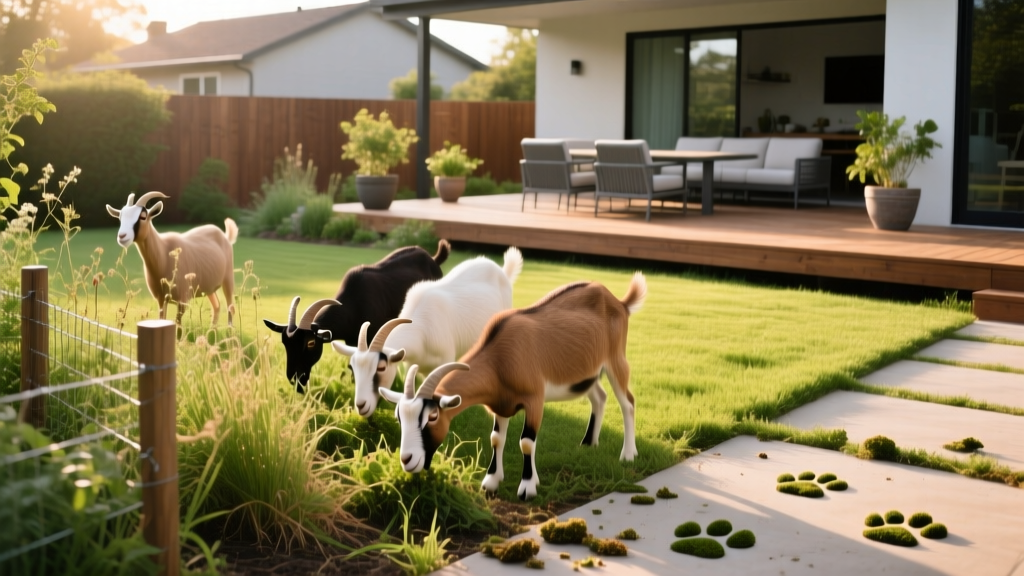
Using Goats to Clear Land: A Beginner's Cost & Setup Guide
The Mechanics of Targeted Grazing for Brush Control
Using goats to clear land is a highly effective, eco-friendly alternative to mechanical mowing and chemical herbicides. Unlike sheep or cattle, goats are natural browsers rather than grazers. They prefer woody stems, broadleaf weeds, and brush over tender grasses. This makes them the ideal biological tool for eradicating invasive species like kudzu, multiflora rose, poison ivy, and blackberry brambles. According to the USDA Natural Resources Conservation Service, targeted grazing can reduce fuel loads for wildfire prevention and restore overgrown landscapes without the soil compaction caused by heavy machinery.
Goats possess a unique ruminant digestive system that allows them to break down tannins and neutralize the urushiol oil found in poison ivy and poison oak. However, success depends entirely on proper herd management, containment, and botanical safety. This guide breaks down the exact specifications, costs, and biological limitations you need to know before deploying a goat herd on your property.
Calculating Herd Size and Clearance Timelines
A common beginner mistake is underestimating the number of goats required to clear an acre of land. Goats are selective eaters; they will strip the high-protein leaves and tender shoots from a brush pile but may ignore thick, lignified trunks. Therefore, they do not 'mow' an area uniformly like a tractor.
An average acre of heavy, overgrown brush contains approximately 15,000 to 20,000 pounds of edible dry matter biomass. A mature 120-pound goat consumes roughly 4% to 5% of its body weight in dry matter daily (about 5 to 6 pounds). To clear one acre of heavy brush in a 30-day window, you need a herd capable of consuming 500 to 660 pounds of browse per day, which translates to a minimum of 100 to 130 goats. For homeowners with smaller plots or those willing to wait a full season, smaller herds are viable.
| Brush Density | Goats per Acre | Estimated Clearance Time | Best Use Case |
|---|---|---|---|
| Light (Scattered weeds, saplings) | 10 - 15 | 2 - 3 Months | Maintenance, suburban yards |
| Moderate (Dense brambles, young brush) | 20 - 30 | 4 - 6 Weeks | Fence lines, orchard understory |
| Heavy (Kudzu, thick multiflora rose) | 40 - 60+ | 3 - 4 Weeks | Commercial clearing, large tracts |
Selecting the Right Breeds for Land Clearing
Not all goats are built for rugged brush clearance. Dairy breeds like Nubians or Saanens are prone to hoof rot, parasite loads, and predator attacks in unmanaged environments. For land clearing, you need hardy, parasite-resistant meat or feral breeds. The The Livestock Conservancy and various university extension programs recommend the following breeds for targeted grazing:
- Kiko: Bred in New Zealand for hardiness, Kikos possess exceptional parasite resistance and maternal instincts. They are aggressive foragers and thrive in wet, humid climates where barber pole worms (Haemonchus contortus) devastate lesser breeds.
- Spanish (Brush Goats): Descended from feral herds in the American Southwest, Spanish goats are agile, heat-tolerant, and possess a highly diverse palate. They are the industry standard for clearing heavy cedar and mesquite brush.
- Boer: While Boers grow faster and yield more meat, they are heavier and less agile than Kikos or Spanish goats. They are best used in mixed herds to add bulk and consume lower-hanging vegetation.
- Myotonic (Fainting Goats): Due to their muscular stiffness, Myotonics cannot jump high fences, making them easier to contain in smaller suburban lots. They are excellent for clearing low-lying poison ivy and groundcover.
Fencing Specifications: Containment and Predator Defense
Goats are notorious escape artists, and standard agricultural fencing will not contain them. Furthermore, a concentrated herd of goats will attract coyotes, stray dogs, and mountain lions. Your fencing strategy must address both containment and predator defense.
Pro-Tip: The ElectroNet Standard
For temporary or rotational grazing, the industry standard is Premier 1 Supplies ElectroNet (42 inches tall, 9 horizontal strands, 164-foot rolls). Unlike standard cattle netting, the vertical stays are spaced closely to prevent goats from pushing their heads through and getting stuck. Pair this with a low-impedance energizer outputting a minimum of 0.5 to 1.0 joules (such as the Gallagher M10) to ensure a memorable shock through thick, damp vegetation.
For permanent perimeter fencing, install 14-gauge woven wire field fence that is at least 48 inches tall. Crucially, the mesh at the bottom 24 inches must be a 2x4 inch spacing to prevent kids (baby goats) from slipping through. Barbed wire is entirely ineffective for goats and will cause severe lacerations.
Financial Breakdown: Renting vs. Owning a Herd
Deciding whether to hire a commercial targeted grazing service or purchase your own herd depends on your acreage, long-term land management goals, and willingness to manage livestock health. As of 2026, commercial rental rates have stabilized but remain a premium service due to the cost of transport and livestock guardian dogs (LGDs).
| Expense Category | Renting a Herd (Per Acre) | Owning a Small Herd (3-5 Goats) |
|---|---|---|
| Initial Setup / Delivery | $400 - $600 (Includes fencing & LGDs) | $600 - $1,000 (Purchase price of Kiko wethers) |
| Containment Infrastructure | $0 (Provided by service) | $450 - $800 (ElectroNet rolls & energizer) |
| Ongoing Daily Costs | $0 | $15 - $30/month (Minerals, hay supplement, dewormer) |
| Veterinary & Hoof Trimming | $0 | $100 - $200/year (FAMACHA scoring, hoof care) |
| Total First-Year Estimate | $400 - $900 per acre | $1,150 - $2,000+ |
If you only need to clear an overgrown back lot once, renting is vastly superior. If you have 5+ acres of continuously encroaching brush and want a secondary meat or milk source, owning a herd provides a better long-term ROI. For deep-dive health and management protocols, the eXtension Goat Portal offers peer-reviewed guidelines on rotational grazing and parasite management.
Botanical Hazards: What Goats Should Never Eat
While goats have iron-clad stomachs for thorns and urushiol, they are highly susceptible to specific botanical toxins. Before releasing a herd onto your property, you must walk the perimeter and identify lethal flora.
Warning: Lethal Plant Species
- Wild Cherry (Prunus serotina): Wilted leaves and twigs contain cyanogenic glycosides, which convert to hydrogen cyanide in the rumen. Even a small amount is rapidly fatal.
- Rhododendron & Mountain Laurel: Contain grayanotoxins that cause cardiovascular collapse and severe gastrointestinal distress.
- Yew (Taxus spp.): The needles and seeds contain taxine alkaloids, which cause sudden heart failure. There is no antidote.
- Oleander: Highly toxic cardiac glycosides; a single leaf can kill an adult goat.
If your property is heavily shaded by wild cherry trees or ornamental rhododendrons, you must either fence off those specific zones or opt for mechanical brush clearing instead of biological grazing.
Frequently Asked Questions
Will goats clear the land down to bare dirt?
No. Goats are selective browsers. They will strip leaves, strip bark from saplings, and eat tender shoots, but they will leave thick, mature woody trunks and unpalatable grasses behind. You will likely need to follow up with a brush cutter or chainsaw to remove the remaining skeletal trunks.
Do I need a livestock guardian dog (LGD)?
If you own the goats and live near coyotes or roaming domestic dogs, an LGD (such as a Great Pyrenees or Anatolian Shepherd) is mandatory. Goats are flight animals with no natural defenses against canids. If you rent a commercial herd, the provider will supply their own LGDs.
Can I use goats to clear land near a vegetable garden?
Yes, but only if the garden is protected by a physical barrier. Goats cannot distinguish between invasive blackberries and your prized heirloom tomatoes. A temporary ElectroNet fence around the garden perimeter is sufficient to keep the herd focused on the target brush.

