
Home & Garden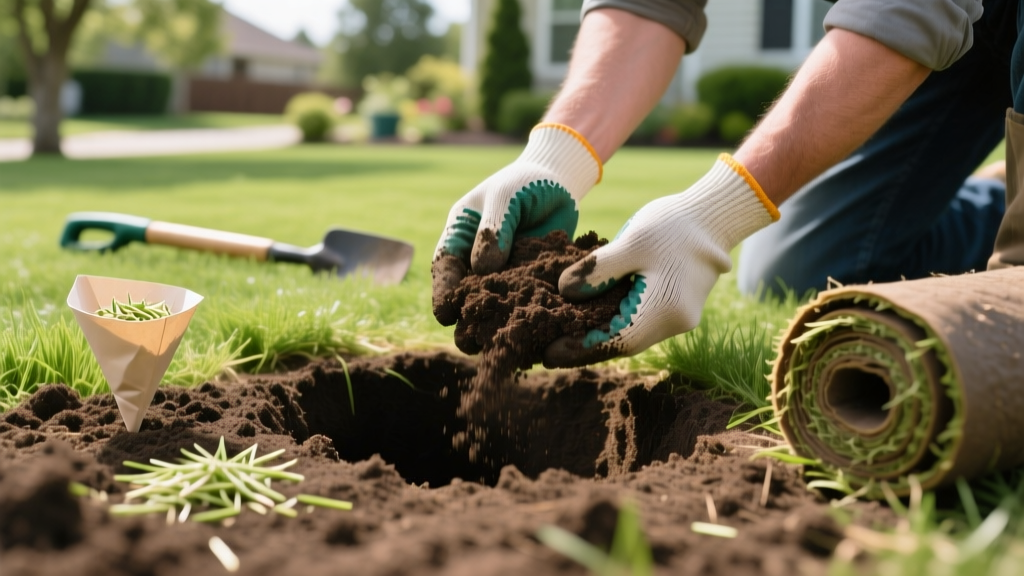
How to Fill a Hole in Yard: A Step-by-Step Soil & Seeding Guide
Unexplained depressions, divots, and voids in your lawn are more than just aesthetic issues; they are tripping hazards, mower-blade destroyers, and potential breeding grounds for standing water. While the instinct is to simply dump dirt into the void and walk away, this approach almost guarantees the hole will reappear after the next heavy rain. Properly repairing a lawn void requires understanding the underlying cause, selecting the correct soil matrix, and executing a layered compaction strategy.
Diagnose the Void: Why Did the Hole Form?
Before purchasing soil, you must identify the origin of the hole. Filling a void without addressing the root cause leads to repeat subsidence. The three most common culprits include:
- Decomposing Organic Matter: Buried construction debris, old tree stumps, or massive root systems that have rotted away leave behind subterranean caverns. As the wood decays, the soil above it collapses.
- Animal Activity: Voles, groundhogs, and moles create extensive tunnel networks. If the tunnel roof collapses, it leaves a narrow, deep shaft.
- Soil Settling and Erosion: Poorly compacted fill dirt from recent landscaping or plumbing repairs will naturally settle over 12 to 24 months, creating bowl-shaped depressions.
⚠ Sinkhole Warning: If the hole is rapidly expanding, deeper than 3 feet, perfectly circular with vertical walls, or located near municipal water mains, do not attempt to fill it yourself. These are symptoms of a geological sinkhole or a catastrophic pipe failure. Evacuate the immediate area and contact your local water authority or a geotechnical engineer. The U.S. Geological Survey (USGS) provides extensive guidelines on identifying hazardous subsidence events.
Material Selection Matrix: What to Put in the Hole
Never use pure garden soil, potting mix, or mulch to fill a structural yard hole. These materials are too high in organic matter and will decompose, causing the ground to sink again. Use the matrix below to select the correct material based on the depth of your void.
| Material Type | Best Used For | Estimated Cost (2026) | Drainage Profile |
|---|---|---|---|
| Fill Dirt | Base layer for holes deeper than 6 inches. High clay content, no organic matter. | $15 - $25 per ton | Poor (Retains water) |
| Clean Mason Sand | Filling narrow animal burrows or deep trenches where water pooling is a severe issue. | $30 - $45 per ton | Excellent |
| Screened Topsoil | The final top 4 inches of the fill. Supports grass seed germination and root growth. | $45 - $65 per cubic yard | Moderate |
| 50/50 Sand-Soil Mix | Ideal all-in-one solution for shallow depressions (under 4 inches) in heavy clay lawns. | $55 - $75 per cubic yard | Good |
Step-by-Step Guide: How to Fill a Hole in Yard Properly
The most common mistake homeowners make is "single-lift filling"—dumping a wheelbarrow of soil into a deep hole all at once. Soil naturally bridges and traps air pockets when poured in bulk. To prevent future sinking, you must compact the soil in layers, known as "lifts." According to turfgrass specialists at the University of Minnesota Extension, layered compaction is the only way to mimic the density of undisturbed native earth.
Phase 1: Preparation and Base Filling
- Clear the Void: Use a hand trowel to remove loose debris, dead grass, and rocks from the inside of the hole. If the hole was caused by a rotting root, dig out any remaining spongy wood.
- Establish the Base (For holes deeper than 6 inches): Pour clean fill dirt or mason sand into the bottom of the hole until you are within 4 inches of the surrounding lawn grade.
- Wet and Tamp the Base: Lightly mist the base material with a garden hose. Water acts as a lubricant, allowing soil particles to slide together and eliminate air gaps. Use a 10x10 inch steel hand tamper (approx. $35 at most hardware stores) to pound the base until it feels as hard as the surrounding undisturbed ground.
Phase 2: The Topsoil Lifts
- Add Screened Topsoil in 2-Inch Lifts: Shovel screened topsoil into the remaining space, adding no more than 2 inches of depth at a time.
- Compact Each Lift: Tamp the 2-inch layer firmly. Repeat this 2-inch add-and-tamp cycle until the soil is level with the surrounding lawn.
- The Overfill Rule: Mound the final layer of topsoil exactly 1 inch higher than the surrounding grass. Even with rigorous tamping, the first heavy rain will cause the repaired soil to settle slightly. The 1-inch crown ensures the patch doesn't turn into a puddle-collecting bowl after settling.
Reseeding and Surface Protection
Once the soil is mounded and graded, you must stabilize the surface immediately to prevent wind and water erosion.
- Seed Selection: Match the seed to your existing lawn. For cool-season lawns, Tall Fescue germinates quickly (7-14 days) and provides deep roots for erosion control. For warm-season lawns, use Bermuda or Zoysia plugs rather than seed for faster patch integration.
- Starter Fertilizer: Apply a high-phosphorus starter fertilizer (e.g., a 24-25-4 NPK ratio) to accelerate root development in the loose topsoil.
- Mulch the Patch: Cover the seeded area with a thin layer of weed-free straw or a hydraulic tackifier mulch. Avoid hay, which introduces thousands of agricultural weed seeds into your freshly repaired lawn.
Pro Tip for Animal Burrows: If you are filling a vole or chipmunk tunnel, pour a layer of 1/2-inch galvanized hardware cloth into the hole before adding soil. Animals rely on scent and memory to reuse old tunnels; the wire mesh physically blocks re-entry while allowing water and grassroots to penetrate.
Common Mistakes That Cause Holes to Reappear
Even with the right materials, poor execution can ruin the repair. Avoid these critical errors:
- Working with Sopping Wet Soil: If it rained heavily yesterday, wait. Tamping saturated clay-based topsoil destroys its crumb structure, turning it into a hardened, brick-like mass that repels water and prevents grass seed from taking root.
- Burying the Root Flare: If the hole is adjacent to a living tree, do not pile topsoil against the tree trunk. Burying the root flare cuts off oxygen to the tree's primary root system and invites fatal fungal pathogens like Armillaria root rot.
- Skipping the Starter Fertilizer: Freshly disturbed soil often experiences a temporary nitrogen tie-up as microbial activity spikes. Without a targeted nutrient application, your new grass seed will sprout yellow and stall out before outcompeting local weeds.
By diagnosing the origin of the void, utilizing the correct structural fill, and adhering to a strict 2-inch compaction lift schedule, you can permanently eliminate yard depressions and restore a seamless, safe turf canopy.