
Home & Garden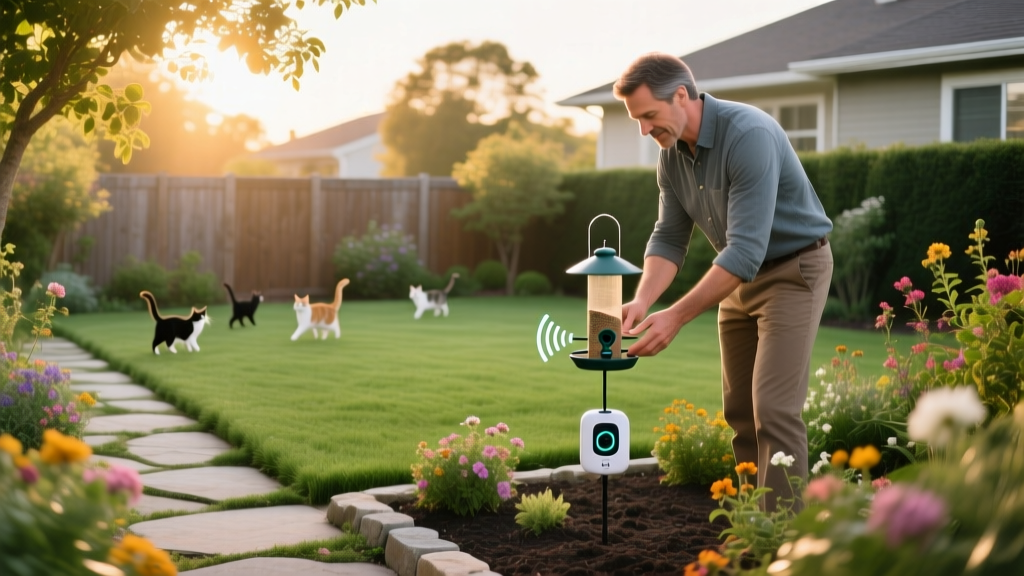
How to Get Rid of Stray Cats in Your Yard: Humane Deterrents
The Damage Profile: Why Stray Cats Ruin Lawns
Stray and feral cats treat loose topsoil, freshly tilled garden beds, and soft mulch as giant litter boxes. This behavior introduces severe sanitation risks, including Toxoplasma gondii parasites and roundworms, directly into your outdoor living spaces. Beyond the health hazards, the physical damage to turfgrass is significant. Cat urine contains roughly 30 to 50 grams per liter of urea. When soil bacteria break this urea down into ammonia and salts, it creates a localized nitrogen overload that chemically burns turfgrass roots, leaving distinct yellow and brown necrotic patches.
Unlike dogs, which often urinate in a single stream, cats spray and dig, distributing these caustic salts across a wider surface area while simultaneously severing grassroots with their claws. To effectively manage this pest issue, homeowners must deploy a multi-tiered deterrence strategy that alters the cat's behavioral calculus without causing physical harm.
Tier 1: Scent and Taste Deterrents (The First Line of Defense)
Cats possess roughly 200 million odor-sensitive cells in their nasal cavities (compared to a human's 5 million). Leveraging their highly developed olfactory system is the most cost-effective initial step in your removal playbook.
Commercial Repellents: Methyl Nonyl Ketone
The most reliable active ingredient in commercial cat repellents is methyl nonyl ketone. Products like Liquid Fence Dog & Cat Repellent (typically priced around $15 to $20 per 32 oz ready-to-use bottle) utilize this compound to create an invisible, foul-smelling barrier.
- Application Rate: Apply at a rate of 1 gallon per 1,000 square feet of lawn or garden bed perimeter.
- Reapplication Schedule: Spray every 21 days, or immediately after 1 inch of cumulative rainfall. The initial treatment requires three applications spaced one week apart to condition the cats to avoid the area.
DIY Citrus Oil Emulsions
Cats harbor a genetic aversion to the volatile oils found in citrus rinds (d-limonene and linalool). Rather than tossing ineffective lemon peels on the soil, create a concentrated emulsion: mix 15 drops of pure sweet orange essential oil and 15 drops of lemongrass oil with 16 ounces of water and a half-teaspoon of mild dish soap (to act as a surfactant). Spray this directly onto hardscaping, fence bases, and the edges of garden beds.
Tier 2: Physical and Sensory Barriers
When scent deterrents fail to break established territorial habits, you must introduce physical friction and sensory disruption.
| Deterrent Method | Mechanism of Action | Avg. Cost (2026) | Effectiveness | Maintenance Required |
|---|---|---|---|---|
| Ultrasonic Repellers | Emits 13.5–23.5 kHz sound waves triggered by PIR motion sensors. | $35 - $60 | High (if placed correctly) | Replace AA batteries every 4 months; clear sensor debris. |
| Static Pulse Mats | Delivers a mild, harmless static shock when stepped on (e.g., ScatMat). | $45 - $75 | Very High | Check 9V battery; wipe off dirt to prevent short-circuiting. |
| Hardware Cloth Sub-layer | 1/2-inch galvanized wire mesh buried 1 inch under mulch to prevent digging. | $0.50 / sq ft | High (Permanent) | None once installed. |
| Prickly Mulch | Pine cones, holly cuttings, or sweetgum balls create uncomfortable footing. | Free - $20 | Moderate | Replenish annually as organic matter decomposes. |
Expert Installation Tip for Ultrasonic Devices:
The most common failure mode for ultrasonic repellers (like the Orbit Outdoor Enforcer) is improper mounting height. The Passive Infrared (PIR) sensor and speaker must be mounted exactly 6 to 12 inches off the ground to align with a cat's head and ear level. Mounting them at human waist height (36 inches) will cause the high-frequency sound waves to project over the cat's head, rendering the device useless. Angle the sensor slightly downward toward the specific garden bed or sandbox you are protecting.
The most common failure mode for ultrasonic repellers (like the Orbit Outdoor Enforcer) is improper mounting height. The Passive Infrared (PIR) sensor and speaker must be mounted exactly 6 to 12 inches off the ground to align with a cat's head and ear level. Mounting them at human waist height (36 inches) will cause the high-frequency sound waves to project over the cat's head, rendering the device useless. Angle the sensor slightly downward toward the specific garden bed or sandbox you are protecting.
Tier 3: Habitat Modification & Sanitation
Deterrents only work if the underlying attractants are removed. Stray cats return to yards that provide food, shelter, or easy digging. Execute the following habitat modifications:
- Secure Compost Bins: Open compost piles containing meat scraps, dairy, or fish bones act as powerful feline attractants. Upgrade to a fully enclosed, tumbling compost bin, or secure the lid of your stationary bin with heavy-duty bungee cords.
- Block Crawlspace Access: Seal off gaps under decks, sheds, and porches using 1/4-inch galvanized steel hardware cloth. Dig a 6-inch trench, bury the bottom edge of the mesh, and angle the top outward at 45 degrees to prevent digging underneath.
- Support TNR Programs: If you are dealing with a localized feral colony, trapping and relocating is largely ineffective due to the 'vacuum effect' (new cats will simply move into the vacant territory). Instead, contact local Trap-Neuter-Return (TNR) organizations. According to the Humane Society of the United States, TNR stabilizes colony sizes, drastically reduces the yowling and spraying associated with mating behaviors, and ultimately diminishes the nuisance factor over time.
What NOT to Do: Common Mistakes and Legal Risks
Many outdated internet remedies are not only ineffective but pose severe legal and environmental risks.
WARNING: The Mothball Myth
Never use mothballs (naphthalene or paradichlorobenzene) outdoors to deter cats. The Environmental Protection Agency (EPA) classifies mothballs as restricted-use pesticides. Using them in yards, gardens, or anywhere other than an airtight indoor container is a violation of federal law. Furthermore, these chemicals leach into the groundwater, poison local wildlife, and pose severe toxicity risks to children and pets who might mistake them for candy.
Never use mothballs (naphthalene or paradichlorobenzene) outdoors to deter cats. The Environmental Protection Agency (EPA) classifies mothballs as restricted-use pesticides. Using them in yards, gardens, or anywhere other than an airtight indoor container is a violation of federal law. Furthermore, these chemicals leach into the groundwater, poison local wildlife, and pose severe toxicity risks to children and pets who might mistake them for candy.
Similarly, avoid broadcasting cayenne pepper or crushed red pepper flakes across your lawn. While it deters cats, it causes severe ocular and nasal pain, which borders on animal cruelty. Furthermore, pepper flakes wash away after a single rainstorm and can irritate the eyes and paws of your own pets and local beneficial wildlife.
Step-by-Step Lawn Recovery After Cat Damage
Once the cats are deterred, you must remediate the soil before reseeding. If you simply throw grass seed over cat-urine-soaked soil, the residual uric acid crystals will kill the new seedlings.
Step 1: Enzymatic Neutralization
Apply an outdoor-specific enzymatic cleaner (such as Nature's Miracle Outdoor Odor Eliminator) to the burned patches. The bio-enzymatic bacteria literally consume the uric acid crystals. Apply heavily at dusk to prevent rapid UV degradation, and water it lightly into the topsoil.
Step 2: Soil Flushing
Wait 48 hours after the enzymatic treatment, then flush the affected zones with 2 to 3 gallons of water per square foot. This drives any remaining neutralized salts deep past the root zone.
Step 3: Overseeding and Topdressing
Rake out the dead thatch and loosen the top 1 inch of soil. Apply a 1/4-inch layer of compost, followed by a shade-tolerant, wear-resistant grass seed blend (such as a Turf-Type Tall Fescue mix, which has deeper roots and higher resistance to nitrogen burns than Kentucky Bluegrass). Keep the seed consistently moist for 14 days until germination is complete.
Frequently Asked Questions
Will motion-activated sprinklers harm stray cats?
No. Devices like the Orbit 62100 Yard Enforcer use a sudden burst of water and the mechanical 'click' of the valve to startle the animal. It causes no physical harm, but the sudden sensory shock creates a strong negative association with your yard. Ensure the sprinkler is set to 'Day and Night' mode if the cats are primarily nocturnal visitors.
Do coffee grounds actually keep cats out of garden beds?
Spent coffee grounds are largely ineffective as a feline deterrent. While the scent is mildly unpleasant to cats, the grounds quickly lose their volatile aromas once dried and integrated into the soil. However, they are an excellent source of organic nitrogen for your compost pile, so repurpose them there instead of relying on them for pest control.