
Home & Garden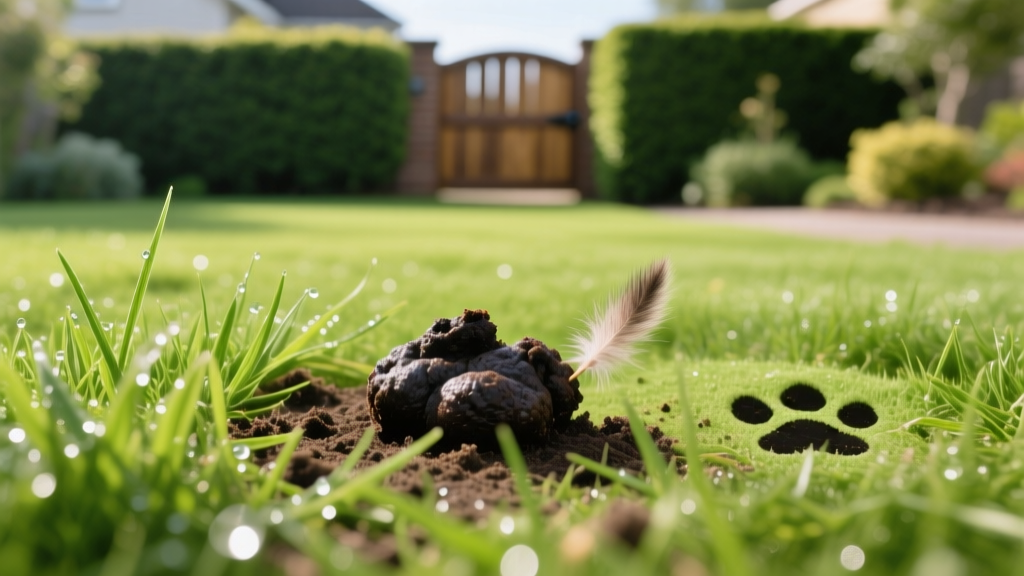
Mystery Poop in Yard: Identify the Animal and Clean It Safely
Finding mystery poop in yard spaces is more than a cosmetic nuisance; it is a documented biohazard and a primary cause of localized turf death. Animal feces introduce concentrated nitrogen, pathogenic bacteria, and parasitic nematodes directly into your soil ecosystem. While dog and cat waste are common culprits, suburban expansion has increasingly brought wildlife—such as raccoons, coyotes, and deer—into residential landscapes. Diagnosing the exact species responsible is the critical first step in selecting the correct removal protocol, as the health risks and lawn repair strategies vary drastically between domestic pets and wild vectors.
The Scat Identification Matrix: Who Is Visiting Your Yard?
Accurate identification dictates your safety protocol. Raccoon and coyote scat carry severe zoonotic risks that require heavy PPE, whereas deer pellets pose minimal direct pathogenic threats to humans. Use the diagnostic matrix below to match the physical characteristics of the droppings to the likely offender.
| Animal | Size & Shape | Color & Contents | Location Preference | Primary Health Risk |
|---|---|---|---|---|
| Dog | Variable; tubular, blunt ends | Brown; may contain undigested kibble | Open lawn spaces, near sidewalks | Toxocara canis (Roundworm), E. coli |
| Cat | Small (1-2 inches), segmented, firm | Dark brown to black; often buried | Loose soil, mulch beds, garden borders | Toxoplasma gondii, Hookworms |
| Raccoon | 2-3 inches, tubular, often in piles | Dark; frequently contains berry seeds | Base of trees, stumps, roofs (latrines) | Baylisascaris procyonis (Severe neurological risk) |
| Coyote | 3-4 inches, thick, tapered ends | Grayish-brown; contains fur and bone fragments | Property perimeters, open intersections | Echinococcosis, Rabies vector |
| Deer | Pellet groups (0.5 inch ovals) | Dark brown to black; shiny exterior | Near shrubbery, garden edges, wooded lines | Low direct risk; tick vector for Lyme disease |
Safe Removal and Decontamination Protocol
Never use bare hands or standard plastic grocery bags to handle unidentified wildlife feces. The Centers for Disease Control and Prevention (CDC) warns that inhaling aerosolized dust from dried raccoon or coyote scat can lead to severe respiratory and neurological infections. Follow this strict extraction sequence to protect your household and your turf.
Step 1: PPE and Tool Preparation
- Gloves: Wear 4-mil to 6-mil nitrile gloves. Latex is porous and degrades when exposed to organic acids.
- Respiratory Protection: If the scat is dry, crumbly, or suspected to be from a raccoon, wear an N95 respirator to prevent inhalation of Baylisascaris eggs.
- Extraction Tool: Use an aluminum jaw scooper (e.g., the $24 Gigiri Aluminum Pooper Scooper). Avoid plastic claws, which splinter and trap bacteria in the micro-crevices.
Step 2: The Extraction Technique
- Approach the scat from upwind to avoid inhaling dried particulate matter.
- Clamp the scooper around the waste, ensuring you capture at least a half-inch of the underlying soil or grass blades, as parasite eggs migrate downward into the topsoil.
- Deposit the waste directly into a thick, 2-mil biohazard bag or a dedicated heavy-duty contractor bag.
- Seal the bag immediately and dispose of it in your municipal solid waste bin. Never compost wildlife or domestic pet feces.
⚠️ WARNING: Raccoon Latrines
If you find a large, concentrated pile of raccoon feces (a latrine), do not attempt to clean it yourself if you lack professional-grade PPE. Raccoons repeatedly use the same site, creating massive accumulations of Baylisascaris procyonis eggs that can remain viable in soil for years. The CDC recommends hiring a licensed wildlife remediation specialist for latrine removal and soil sterilization.
Step 3: Surface Decontamination
After physical removal, the remaining grass blades will harbor microscopic pathogen residue. Spray the affected 2-foot radius with an outdoor-rated enzymatic cleaner. Products like Simple Green Outdoor Odor Eliminator or Nature's Miracle Yard & Garden ($15–$22 per 32oz hose-end bottle) utilize protease and amylase enzymes to break down residual proteins and starches that attract other animals to the same spot.
Lawn Repair: Reversing Nitrogen Burn and Soil Contamination
Animal feces act as a localized, unregulated fertilizer. As the waste decomposes, it releases massive spikes of nitrogen and alters the soil pH, resulting in 'nitrogen burn.' This manifests as a yellow or brown dead patch surrounded by a dark green, hyper-grown ring of grass.
Flushing the Soil Profile
Before reseeding, you must leach the excess salts and nitrogen out of the root zone. Attach a hose-end sprayer and apply 1.5 inches of water to the specific 3-foot radius. This pushes the concentrated urea and ammonia compounds below the 6-inch active root zone of most turfgrasses, preventing further chemical burn.
Overseeding and Topdressing
Once the soil is flushed and the enzymatic cleaner has dried (typically 24 hours), repair the dead patch:
- Aerate: Use a manual hand-core aerator to pull three to four plugs from the burned area to relieve soil compaction caused by animal traffic.
- Topdress: Apply a 1/4-inch layer of sterile, peat-based topsoil. Avoid using yard-waste compost, which may contain dormant weed seeds or residual pathogens.
- Seed: Sow a shade/sun blend matching your existing lawn. For cool-season lawns, Jonathan Green Black Beauty Ultra ($35 for 3 lbs) offers excellent disease resistance and rapid germination in patch-repair scenarios.
Expert Insight: According to the University of California Integrated Pest Management (UC IPM) program, modifying the habitat is the only permanent solution to wildlife intrusion. Cleaning up the waste is merely reactive; altering the yard's appeal is proactive.
Perimeter Deterrence: Keeping Wildlife Out
To stop finding mystery poop in yard spaces altogether, you must disrupt the behavioral patterns of the visiting animals. Relying on chemical repellents (like predator urine or cayenne sprays) is largely ineffective, as they wash away after a single rainstorm and lose potency within 72 hours. Instead, deploy active, mechanical deterrents.
Motion-Activated Sprinklers
The most effective deterrent for cats, raccoons, and deer is the sudden combination of movement, noise, and water. The Orbit 62100 Yard Enforcer (approximately $68) utilizes an infrared sensor to detect animal body heat up to 70 feet away. Setup Tip: Mount the sensor at 12 inches off the ground to target the eye level of mid-sized mammals, and set the 'Day and Night' mode to ensure 24/7 coverage. The sudden 3-second burst of water creates a negative reinforcement loop without harming the animal.
Ultrasonic Repellents
For smaller urban lots where water usage is restricted, solar-powered ultrasonic devices like the CritterScat emit high-frequency sound waves (13.5 kHz to 45.5 kHz) that are inaudible to humans but highly irritating to feline and canine hearing. Place these units near known latrine sites or garden bed entry points, rotating the frequency dial weekly to prevent animals from habituating to the sound.
Frequently Asked Questions
Can I use bleach to clean animal poop off my grass?
No. Sodium hypochlorite (bleach) will instantly kill the grass blades, sterilize the beneficial soil microbes, and leave toxic salt residues that prevent future seed germination. Stick to outdoor-rated enzymatic cleaners that break down organic matter without altering the soil's chemical balance.
Why do cats always poop in my newly mulched garden beds?
Cats are drawn to freshly turned, loose, and dry substrates for burying their waste. To stop this immediately, lay down a layer of 1-inch galvanized chicken wire just beneath the surface of the mulch, or scatter rough-textured pine cones heavily across the bed. Cats despise the tactile sensation of digging in sharp or wiry materials.
Is deer poop dangerous to my dogs?
While deer pellets themselves carry a low direct pathogenic risk to dogs, they can harbor chronic wasting disease (CWD) prions or leptospirosis bacteria if the deer was infected. Furthermore, dogs that consume deer scat are at a higher risk of picking up ticks that hide in the pellets, increasing the likelihood of Lyme disease transmission.