Home & Garden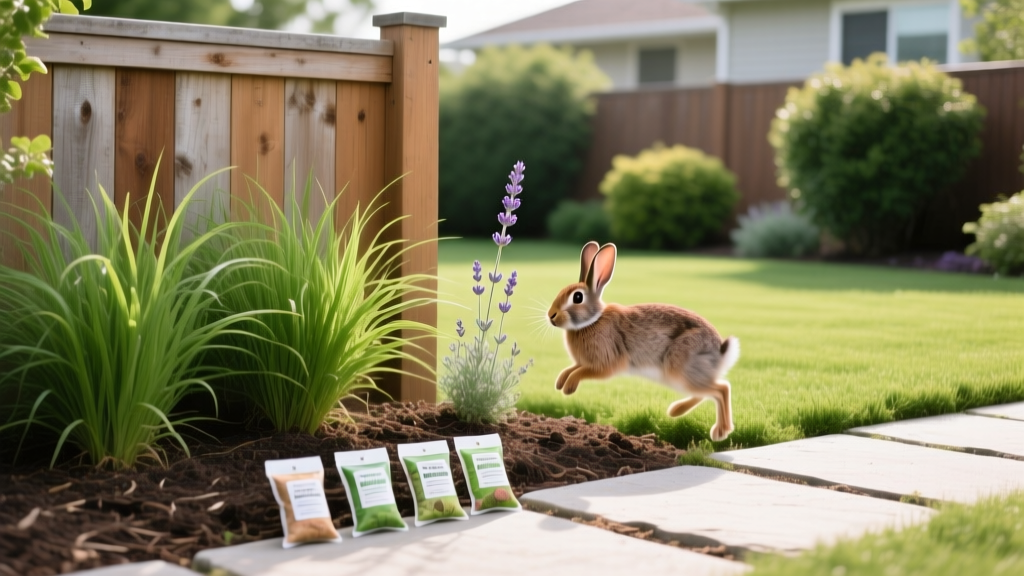
How to Keep Bunnies Out of Your Yard Using Fences and Repellents
Identifying Rabbit Damage vs. Other Pests
Before deploying countermeasures, confirm that rabbits are actually the culprits destroying your landscape. Rabbits possess sharp incisors that create a distinct signature on damaged flora. Unlike deer, which lack upper incisors and tend to tear or raggedly rip plant material, rabbits clip stems and leaves at a precise, clean 45-degree angle. Furthermore, rabbit damage is typically confined to the lower 18 to 24 inches of a plant, as they rarely rear up on their hind legs to feed for extended periods. If you are finding bark stripped cleanly from young tree trunks up to two feet high, or tender spring shoots sheared off at ground level, you are dealing with a rabbit infestation.
The Physical Barrier Blueprint: Hardware Cloth Fencing
When researching how to keep bunnies out of your yard, physical exclusion remains the only 100% effective, long-term solution. However, standard chicken wire (poultry netting) is frequently inadequate. The hexagonal gaps in chicken wire can allow juvenile cottontails to squeeze through, and the thin gauge wire is easily compromised by predators or heavy weather. The industry standard for rabbit exclusion is 1/2-inch or 1-inch galvanized hardware cloth.
Pro Tip: The L-Shape Apron Technique
Rabbits are prolific diggers. Simply burying a fence straight down often fails because rabbits will dig directly at the base of the barrier. Instead, create an 'L-shaped apron' that extends horizontally outward from the base of the fence to thwart their digging instincts.
Rabbits are prolific diggers. Simply burying a fence straight down often fails because rabbits will dig directly at the base of the barrier. Instead, create an 'L-shaped apron' that extends horizontally outward from the base of the fence to thwart their digging instincts.
Step-by-Step: Building a Rabbit-Proof Fence
- Measure and Purchase: Buy 24-inch wide, 19-gauge galvanized hardware cloth with 1/2-inch mesh. Expect to pay between $0.75 and $1.25 per linear foot.
- Form the Apron: Using pliers and a straight edge, bend the bottom 6 inches of the wire mesh at a strict 90-degree angle outward (away from the protected garden area).
- Dig a Shallow Trench: Dig a trench 2 inches deep and 6 inches wide along the perimeter of your garden bed.
- Install the Barrier: Place the bent apron into the trench so the horizontal wire rests on the trench floor, pointing away from the garden. The remaining 18 inches of wire should stand vertically.
- Backfill and Secure: Cover the horizontal apron with soil and tamp it down. Use steel U-pins or landscape staples every 3 feet to anchor the vertical section securely to the ground.
This configuration costs roughly $1.50 to $2.50 per linear foot when factoring in staples and labor, but it provides a decade or more of reliable protection. According to the Internet Center for Wildlife Damage Management, properly installed hardware cloth is the most highly recommended exclusion method for agricultural and residential garden protection.
Chemical and Scent Repellents: A Decision Matrix
Fencing is not always feasible for large properties or expansive ornamental borders. In these scenarios, repellents serve as a secondary line of defense. Repellents work by either triggering a fear response, offending the rabbit's highly sensitive olfactory system, or making the plant taste unpalatable. Below is a comparison of the most effective active ingredients available on the market.
| Active Ingredient | Brand Example | Mechanism | Reapplication Frequency | Best Use Case |
|---|---|---|---|---|
| Putrescent Whole Egg Solids (4.63%) | Liquid Fence | Olfactory & Taste aversion | Every 3-4 weeks; after 1 inch of rain | Edible gardens (once dried), ornamentals |
| Capsaicin / Hot Pepper Wax | Bonide Hot Pepper Wax | Oral irritant | Every 2-3 weeks | Non-edible ornamentals, shrubs |
| Predator Urine (Fox/Coyote) | Shake-Away Granules | Instinctual fear response | Every 1-2 weeks; after heavy rain | Perimeter defense, property lines |
Warning: The Habituation Effect
Rabbits are highly adaptable. If you use the same capsaicin-based repellent all season, the local rabbit population will eventually realize the 'spicy' plants pose no actual physical threat and will begin eating them anyway. You must rotate between at least two different active ingredients (e.g., egg solids in May, capsaicin in June) to maintain efficacy.
Rabbits are highly adaptable. If you use the same capsaicin-based repellent all season, the local rabbit population will eventually realize the 'spicy' plants pose no actual physical threat and will begin eating them anyway. You must rotate between at least two different active ingredients (e.g., egg solids in May, capsaicin in June) to maintain efficacy.
Habitat Modification: Removing the 'Safe Zone'
Rabbits are prey animals with a low tolerance for exposure. They will rarely cross more than 10 to 15 feet of open, unobstructed lawn to reach a food source if they feel vulnerable. Modifying your yard's habitat to eliminate hiding spots is a critical, often overlooked component of learning how to keep bunnies out of your yard.
- Clear Brush and Debris: Remove piles of branches, tall weeds, and thick groundcover (like English Ivy) near your garden beds.
- Seal Under-Structure Gaps: Rabbits love nesting under sheds, decks, and porches. Install 1/2-inch vinyl or galvanized lattice skirting around the base of these structures, burying the bottom edge 2 inches into the soil.
- Mow Margins Aggressively: Keep the grass within a 5-foot radius of your vulnerable garden beds mowed to a height of 2.5 inches or shorter to eliminate the 'tall grass transition zone' rabbits use for cover.
Winter Strategies: The Snow Elevation Problem
A 24-inch fence is highly effective in the summer, but winter introduces a variable that ruins standard defenses: snow accumulation. According to the University of Minnesota Extension, deep snow acts as an elevator for rabbits, allowing them to easily bypass low fences and reach higher branches or the tender bark of fruit trees.
If you live in a region that routinely receives more than 12 inches of snowpack, you must upgrade your perimeter fencing to 36 or 48 inches in height. Additionally, protect the trunks of young trees and shrubs using corrugated plastic tree guards or spiral plastic wraps. These wraps should extend at least 18 inches above your anticipated maximum snow line to prevent rabbits from girdling and killing the trees during the winter scarcity period.
Rabbit-Resistant Plant Alternatives
While no plant is entirely 'rabbit-proof' during a severe famine, integrating highly resistant flora into your landscape design reduces the overall attractant profile of your yard. Rabbits heavily target young hostas, beans, peas, clover, and tulips. Conversely, their highly developed sense of smell deters them from plants with strong essential oils, fuzzy leaves, or toxic alkaloids. Consider bordering your vulnerable beds with alliums, lavender, sage, marigolds, daffodils, and snapdragons to create a natural olfactory buffer zone.