
Home & Garden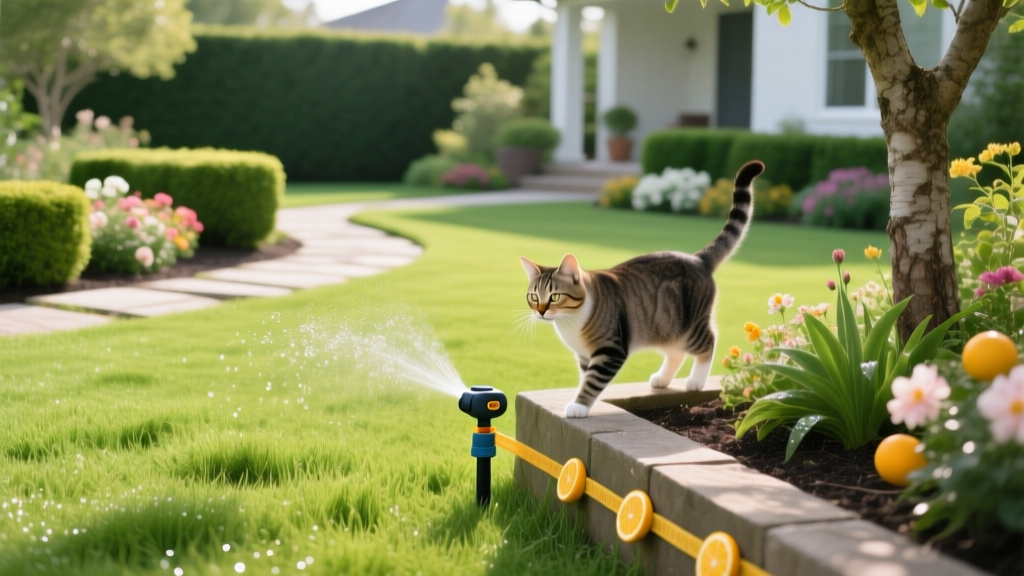
How to Keep Cats Away From Garden Beds Using Safe Deterrents
Few things frustrate a dedicated gardener more than finding freshly turned soil used as a neighborhood litter box. When cats target your garden beds, they do more than just uproot delicate seedlings; they introduce serious biological hazards and alter soil chemistry. Understanding how to keep cats away requires moving beyond ineffective folk remedies and deploying a layered defense strategy based on feline behavioral psychology and physical exclusion.
The Hidden Biological Dangers of Feline Intruders
Before implementing deterrents, it is critical to understand why cat feces and urine are fundamentally incompatible with food and ornamental gardens. Feline waste introduces two primary pathogens:
- Toxoplasma gondii: This parasite sheds oocysts in cat feces that can remain viable in moist, shaded soil for up to 18 months. According to the Centers for Disease Control and Prevention (CDC), ingestion of these oocysts via unwashed garden produce or contaminated soil poses severe risks, particularly to pregnant women and immunocompromised individuals.
- Toxocara cati (Feline Roundworm): Eggs shed in feces become infectious after 2-4 weeks in the soil and can cause visceral larva migrans in humans.
Additionally, cat urine contains exceptionally high concentrations of urea and salts. While trace amounts of nitrogen benefit plants, the concentrated volume deposited by a single cat causes severe 'nitrogen burn,' desiccating root systems and killing beneficial soil mycorrhizae.
Tier 1: Physical Barriers (The 90% Solution)
Cats are tactile diggers. They seek out loose, friable soil that yields easily to their paws. If you alter the subsurface texture, you eliminate the primary draw. Physical exclusion is the only method with a near-100% long-term success rate.
| Barrier Material | Cost Estimate | Installation Depth | Effectiveness Rating |
|---|---|---|---|
| 1-Inch Galvanized Chicken Wire | $15 per 25ft roll | 1 inch below mulch | 9.5/10 |
| Plastic Spike Mats (e.g., Cat Scat) | $25 per 20 sq ft | Surface level | 7/10 |
| Pine Cone Mulch | Free (foraged) | Surface level (2 inches thick) | 5/10 |
| Crushed Gravel (3/4-inch angular) | $45 per cubic yard | Surface level (2 inches thick) | 8/10 |
Installation Protocol for Chicken Wire
The most robust deterrent is 1-inch hexagonal galvanized chicken wire. Plant roots will easily penetrate the gaps, but feline claws will catch on the wire mesh, preventing excavation.
- Clear the garden bed of existing weeds and level the soil.
- Unroll the chicken wire over the soil surface, cutting slits to accommodate existing plant stems.
- Secure the edges by burying the outer 2 inches of wire beneath the soil perimeter to prevent cats from digging under the edges.
- Cover the wire with 1 to 1.5 inches of organic mulch (wood chips or bark). This hides the wire visually while maintaining the tactile deterrent just below the surface.
Tier 2: Motion-Activated Tech Deterrents
For large lawn areas or perimeters where physical barriers are impractical, motion-activated devices leverage a cat's startle reflex. The most effective category is the pressurized water sprinkler, which combines a sudden noise with an aversive physical stimulus.
Expert Recommendation: The Orbit 58250N Yard Enforcer (approx. $75) remains the industry standard for 2026. It features a 40-foot infrared detection range and a smart-sensing chip that differentiates between animal mass and wind-blown debris, saving battery and water.
Configuring the PIR Sensor for Feline Detection
The most common failure mode for motion sprinklers is improper sensor height. Cats typically stand 8 to 12 inches at the shoulder. If your Passive Infrared (PIR) sensor is angled downward from a 3-foot stake, it will trigger on human legs but miss low-slung felines.
- Mount the sensor unit on a shortened stake so the lens is exactly 10 inches above the soil grade.
- Tilt the sensor slightly downward (approx. 5 degrees) to create a detection cone that intersects the ground 15 to 20 feet away.
- Relocate the unit every 10 to 14 days. Cats are highly adaptable; if they learn the exact blind spots of a stationary device, they will navigate around it.
Tier 3: Botanical and Scent Repellents
Scent deterrents rely on overwhelming a cat's highly sensitive olfactory system (which contains roughly 200 million odor-sensitive cells, compared to a human's 5 million). However, many commercial sprays wash away after a single rainstorm.
Strategic Planting
Incorporate Plectranthus caninus (commonly sold as the 'Scaredy Cat' plant). When brushed against, it releases octanol, a compound that smells intensely of skunk to felines. Dense plantings of Rosmarinus officinalis (Rosemary) also provide a woody, sharp scent that cats generally avoid, while doubling as a culinary herb.
WARNING: Essential Oil Toxicity
Never apply concentrated peppermint, eucalyptus, tea tree, or citrus essential oils directly to your garden soil or plants. The ASPCA Animal Poison Control warns that felines lack the hepatic enzyme glucuronyl transferase, making them unable to metabolize these compounds. Exposure can lead to severe respiratory distress, hepatic lipidosis, or fatal central nervous system depression.
Never apply concentrated peppermint, eucalyptus, tea tree, or citrus essential oils directly to your garden soil or plants. The ASPCA Animal Poison Control warns that felines lack the hepatic enzyme glucuronyl transferase, making them unable to metabolize these compounds. Exposure can lead to severe respiratory distress, hepatic lipidosis, or fatal central nervous system depression.
The Diversion Strategy: Building a Decoy Cat Garden
If neighborhood cats are persistent, exclusion in one area must be paired with attraction in another. Create a 'decoy garden' at least 30 feet away from your primary beds.
Construct a 4x4 foot raised sandbox filled with a mix of fine play sand and loose potting soil. Plant Nepeta cataria (Catnip) and Dactylis glomerata (Orchard grass, which acts as a natural feline digestive aid) around the perimeter. By providing an optimal, easily diggable substrate with olfactory rewards, you satisfy the cat's territorial and instinctual drives away from your vulnerable crops.
Troubleshooting Common Deterrent Failures
If cats continue to breach your defenses, evaluate these common edge cases:
- Ultrasonic Device Failure: Devices like the Aspectek Predator Guard emit 25kHz frequencies. Sound waves at this frequency cannot penetrate solid objects. If a fence, dense shrub, or raised bed wall sits between the emitter and the cat, the sound is entirely blocked. Ensure a clear line of sight.
- Coffee Grounds Myth: While often recommended online, spent coffee grounds do not deter cats. Worse, they alter soil pH and can cause fatal caffeine toxicity if a cat ingests them while grooming their paws.
- Habituation to Scent Sprays: Commercial liquid repellents (like Liquid Fence) rely on putrescent egg solids. If applied too frequently without rotation, local felines will habituate to the odor. Rotate between putrescent egg formulas and capsaicin-based (hot pepper) sprays every three weeks.
Frequently Asked Questions
Is mothballs an effective way to keep cats away from gardens?
No. Using mothballs (which contain naphthalene or paradichlorobenzene) outdoors is highly toxic to cats, dogs, wildlife, and children. Furthermore, it is an illegal application of a pesticide under UC Statewide Integrated Pest Management and EPA guidelines. The chemicals also leach into the groundwater, contaminating your local watershed.
Will a fence stop neighborhood cats from entering my yard?
Standard wooden privacy fences will not stop cats, as they can easily scale a 6-foot vertical surface. To feline-proof a fence, you must install a specialized roller bar system (like the Oscillot system, approx. $300 for a 50-foot kit) at the top. When the cat jumps and grabs the top edge, the roller spins, preventing them from gaining the leverage needed to pull themselves over.
How do I clean soil that has already been contaminated by cat feces?
Wear heavy-duty nitrile gloves and a mask. Remove the feces and excavate the surrounding 2 inches of soil, discarding it in a sealed trash bag (do not compost it). Drench the exposed soil with a 10% bleach solution to neutralize remaining bacterial loads, then let the area dry completely in direct sunlight for 48 hours before replanting.

