
Home & Garden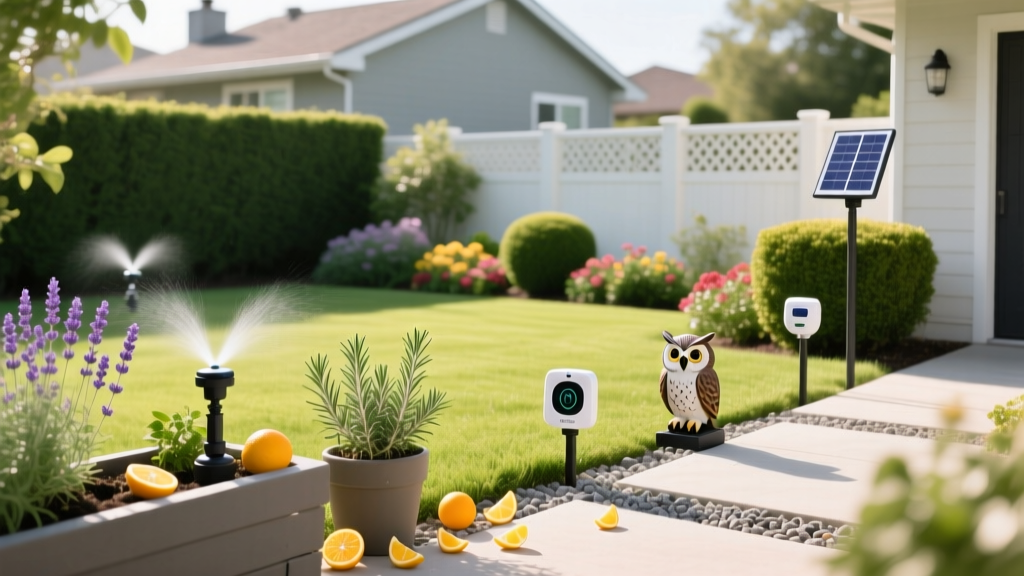
How to Keep Cats Away From Yard: 7 Proven Deterrents
Diagnosing the Feline Intrusion: Why Cats Target Your Yard
Before deploying deterrents, you must understand why neighborhood or feral cats are infiltrating your landscape. Feline yard intrusion generally falls into two behavioral categories: elimination and territorial marking. Cats are drawn to freshly tilled garden beds, loose mulch, and soft topsoil because these substrates mimic the texture of commercial cat litter. If a cat is digging shallow holes (2 to 3 inches deep) and leaving solid waste, they are using your yard as a latrine. Conversely, if you notice a pungent, ammonia-like odor on vertical surfaces like fences, raised bed corners, or shrub trunks, a tomcat is spraying to mark territory.
Solving the problem requires matching the deterrent to the specific behavior. A scent repellent might mask a territorial mark, but it will not stop a cat seeking a soft substrate for elimination. Below is a comprehensive diagnostic framework and actionable solutions to reclaim your outdoor space.
The Deterrent Matrix: Matching Solutions to Cat Behavior
| Deterrent Type | Best Used For | Estimated Cost | Primary Failure Mode |
|---|---|---|---|
| Motion-Activated Sprinklers | Large lawns, open garden beds | $70 - $95 | Freezing temperatures; limited hose reach |
| Static Scat Mats | Specific planters, fence tops | $35 - $50 | Debris short-circuiting the contact pads |
| Subsurface Chicken Wire | Preventing digging in soft soil | $15 - $25 (per roll) | Root-bound perennials struggling to spread |
| Enzymatic Scent Repellents | Perimeter defense, hardscapes | $15 - $25 (per gallon) | Washes away after 1 inch of rainfall |
| Ultrasonic Emitters | Enclosed patios, small yards | $40 - $60 | Ineffective on older cats with hearing loss |
Physical Barriers: Modifying the Substrate
Cats rely heavily on tactile feedback from their paw pads. If the ground feels unstable or uncomfortable, they will move to a neighbor's yard. The most effective, non-lethal physical barrier for garden beds is 1-inch hexagonal galvanized chicken wire.
Installation Protocol for Garden Beds
- Cut the chicken wire to fit the dimensions of your garden bed, leaving a 2-inch gap around the stems of existing perennials to allow for growth.
- Lay the wire flat over the soil and secure it with 6-inch landscape staple pins every 12 inches.
- Cover the wire with 2 to 3 inches of heavy mulch (like cedar or large bark nuggets, which cats also dislike due to the sharp edges).
Why this works: Cats cannot dig through the wire, and the tactile sensation of their claws catching on the metal grid triggers an immediate retreat response. Over time, plants will grow up through the 1-inch gaps, rendering the wire invisible while keeping the soil completely protected.
Technological Solutions: Motion-Activated Sprinklers
For open lawn spaces where laying wire is impractical, water is the ultimate equalizer. Cats despise sudden, unpredictable water bursts. The industry standard for this application is the Orbit Yard Enforcer (Model 62100).
Expert Warning on Ultrasonic Devices: Many homeowners purchase ultrasonic cat deterrents (emitting frequencies between 20-25 kHz). While these work on young, healthy felines, they frequently fail against older neighborhood cats suffering from age-related hearing loss. Furthermore, ultrasonic waves are easily blocked by dense foliage, fences, and patio furniture, creating 'dead zones' where cats can comfortably rest. Always pair ultrasonic devices with a physical or water-based secondary deterrent.
Optimizing the Orbit Yard Enforcer
Priced around $75, the Orbit 62100 features a 35-foot detection range and a 120-degree infrared sensor. To prevent cats from habituating to the device, utilize the 'Smart Noise' feature, which emits a brief clicking sound before the water sprays. This startles the cat and conditions them to flee before getting wet, saving water and extending your battery life (requires 3 AAA batteries). Ensure you connect it to a standard 3/4-inch garden hose and set the sensitivity dial to 'High' for smaller animals. During winter months, you must winterize the unit by draining the internal valve to prevent cracking.
Scent and Taste Repellents: What Actually Works?
The internet is saturated with DIY scent deterrents, but many are either ineffective or dangerously toxic. When selecting a commercial or natural repellent, you must prioritize formulations that target a cat's highly developed vomeronasal organ (Jacobson's organ).
Commercial Repellents: Liquid Fence
Liquid Fence Cat & Dog Repellent relies on putrescent egg solids and garlic oil. When applied to the perimeter of your yard or directly onto non-edible ornamental plants, the decaying protein scent triggers a predator-avoidance instinct. A 1-gallon ready-to-use spray costs approximately $18. Crucial application note: This product is highly susceptible to rain degradation. You must reapply after every 1 inch of rainfall or heavy overhead irrigation, otherwise, the sulfur compounds will wash into the soil and lose efficacy.
What NOT to Use: Toxic and Illegal Methods
- Mothballs (Naphthalene): Using mothballs outdoors is illegal in many jurisdictions and highly toxic. Naphthalene leaches into the groundwater, poisoning local wildlife, pets, and children. It is a severe environmental hazard.
- Cayenne Pepper Flakes: While it deters cats, sprinkling raw capsaicin flakes in the garden can cause severe corneal damage and respiratory distress if a cat rubs its face in the soil and then grooms its paws.
- Rue (Ruta graveolens) & Coleus canina: Often touted as 'Scaredy Cat' plants, Rue is actually toxic to cats and dogs if ingested, and its sap causes phytophotodermatitis (severe blistering) in humans upon sun exposure. Always consult the ASPCA's Toxic and Non-Toxic Plants database before introducing new botanical deterrents.
Landscaping Adjustments to Remove Feline Appeal
Modifying your yard's micro-environment can make it inherently uninviting to felines without the need for continuous maintenance.
'Cats are opportunistic comfort-seekers. If you eliminate the soft, dry, sheltered microclimates in your yard, you eliminate the primary draw for neighborhood strays.' — Feline Behavioral Ecology Synthesis
- Eliminate Dry Shelter: Cats seek out dry, sheltered spots under decks, porches, and dense shrubbery to rest and mark. Install 1/2-inch hardware cloth lattice around the base of your deck and trim the bottom 12 inches of dense shrubs to remove hidden cover.
- Switch Mulch Types: Replace fine, soft mulches (like shredded pine or cocoa bean hulls) with rough, prickly alternatives. Holly cuttings, pine cones, or jagged lava rock (3/4-inch size) are highly uncomfortable for cats to walk or lie on.
- Secure Trash and Food Sources: Feral cats will patrol yards that offer caloric rewards. Ensure all outdoor trash cans feature locking lids, and educate neighbors about the ecological dangers of feeding stray colonies near property lines. For more on responsible community cat management, refer to the Humane Society's feline resources.
FAQ: Common Cat Deterrent Questions
Will motion-activated sprinklers damage my lawn or overwater my garden?
Modern units like the Orbit Yard Enforcer deliver a highly targeted, 3-second burst of water (roughly 1 to 2 cups per activation). This volume is negligible and will not cause soil saturation or turf fungal issues, even if triggered a dozen times a day.
How do I stop a cat from spraying on my vertical fence posts?
Substrate modification won't work here. Clean the sprayed area thoroughly with an enzymatic cleaner (like Nature's Miracle) to break down the uric acid crystals. Once dry, apply a physical barrier such as double-sided outdoor mounting tape or a citrus-scented commercial repellent directly to the wood. Cats despise the sticky sensation on their fur and the sharp citrus oils mask their previous territorial markers.