
Home & Garden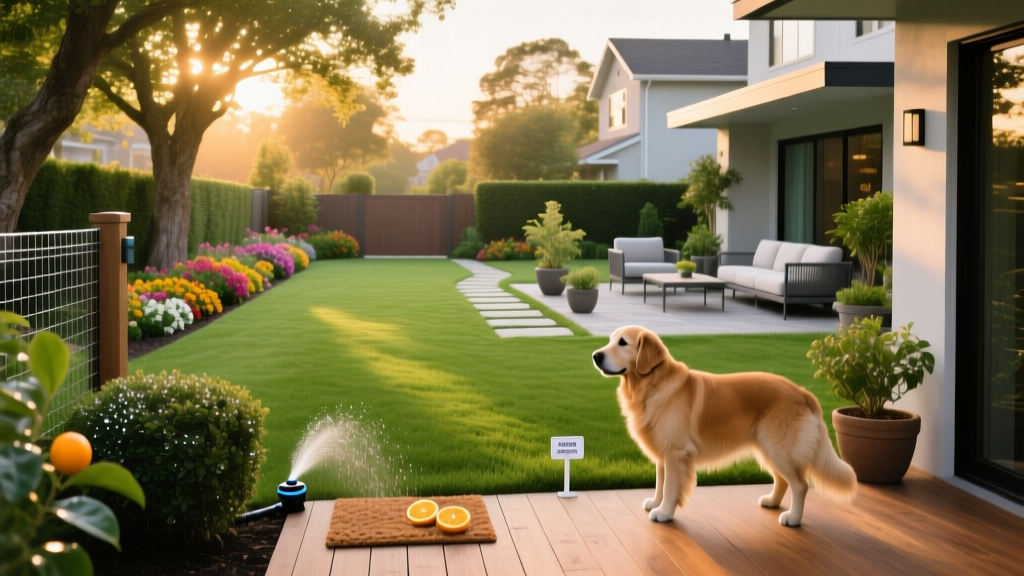
How to Keep Dogs From Pooping in My Yard: Proven Deterrents
The Hidden Costs of Canine Intrusions
Finding dog feces in your landscaping is more than a nuisance; it is a biological hazard and a threat to your turfgrass. Dog waste carries pathogens like E. coli, Salmonella, and roundworms (Toxocara canis), which can survive in soil for years. According to the Centers for Disease Control and Prevention (CDC), toxocariasis can be transmitted to humans through contact with contaminated soil, making prompt remediation a health priority. Furthermore, the high nitrogen and salt content in dog waste causes severe 'burn' spots on lawns, killing Kentucky Bluegrass and Tall Fescue down to the root zone.
If you are searching for how to keep dogs from pooping in my yard, you must move beyond generic advice like 'put up a sign.' Effective deterrence requires a multi-layered approach combining scent eradication, physical barriers, and active technological deterrents.
Phase 1: Diagnose the Intruder and the 'Why'
Before deploying deterrents, identify the pattern. Dogs do not choose yards randomly. They select locations based on three primary factors:
- Substrate Preference: Dogs prefer soft, loose soil or mulch over hard-packed dirt or thick, mature turf.
- Privacy and Cover: Dense shrubbery or tall ornamental grasses provide a sense of security while they are in a vulnerable position.
- Scent Stacking: This is the most critical factor. Once a dog defecates in a spot, it leaves behind pheromones and scent markers. Other dogs (and the original offender) will return to 'stack' their scent on top of the existing one, creating a communal latrine effect.
Expert Insight: Never apply a chemical or natural repellent over existing dog waste or uncleaned soil. The underlying pheromones will overpower the repellent, rendering your investment useless. You must break the scent-stacking cycle first.
Phase 2: Eradicate Existing Scent Markers
To stop dogs from returning, you must destroy the biological markers they left behind. Standard garden hose watering or bleach solutions will not break down the uric acid and pheromone proteins.
The Enzymatic Protocol
Use an outdoor-rated enzymatic cleaner specifically formulated for lawn and landscape use. Products like Nature’s Miracle Outdoor Lawn & Landscape (typically $18–$22 for a 32oz hose-end sprayer) contain bacteria that produce enzymes to digest organic waste matter at the molecular level.
- Physical Removal: Remove all solid waste. Do not press it into the soil.
- Pre-Water: Lightly dampen the area with plain water to help the enzymes penetrate the thatch layer and soil profile.
- Enzyme Application: Apply the enzymatic cleaner heavily over a 3-foot radius around the impacted zone. Soil saturation is required; surface spraying is insufficient.
- Incubation: Allow the area to dry naturally for 24 to 48 hours. Do not water your lawn during this window, as dilution halts the enzymatic digestion process.
Phase 3: Deploy Active & Passive Deterrents
Once the scent markers are neutralized, you can introduce deterrents. The Environmental Protection Agency (EPA) classifies many natural animal repellents (like those using essential oils or capsaicin) as minimum-risk pesticides, meaning they are safe for your soil microbiome but highly aversive to canines.
| Deterrent Type | Best Use Case | Cost Range | Maintenance Level | Efficacy Rating |
|---|---|---|---|---|
| Motion-Activated Sprinkler | Open lawns, garden beds, property lines | $60 - $85 | Low (Battery changes) | 95% |
| Ultrasonic Sound Emitter | Driveways, patios, enclosed corners | $30 - $55 | Medium (Solar/Battery) | 60% |
| Capsaicin/Methyl Nonyl Ketone Spray | Perimeter fencing, tree bases | $15 - $25 | High (Weekly reapplication) | 75% |
| Prickly Botanical Barriers | Property borders, under windows | $40 - $150+ | Very Low | 90% |
Motion-Activated Sprinklers: The Gold Standard
The most reliable active deterrent on the market is the Orbit 62100 Yard Enforcer (priced around $65). It utilizes an infrared motion sensor with a 40-foot detection range and a 30-degree arc. When a dog enters the zone, it triggers a sudden, loud mechanical 'click' followed by a sharp burst of water.
Setup Parameters for Maximum Efficacy:
- Mount the unit on a 6-inch metal stake directly in the center of the targeted 'hot zone.'
- Set the sensor height to 8–12 inches off the ground to target the dog's head and torso, not their legs.
- Use the 'Day and Night' setting. Dogs often trespass at dawn or dusk when foot traffic is low.
- Connect to a standard garden hose. Ensure your water pressure is at least 30 PSI to guarantee the sudden burst startles the animal.
Ultrasonic Repellents: Hit or Miss?
Devices like the Modicus Ultrasonic Dog Repellent emit a high-frequency sound (typically 13.5 to 45.5 kHz) that is irritating to dogs but inaudible to most humans. While they offer a chemical-free solution, they have distinct limitations. High-frequency sound waves degrade rapidly over distance and cannot penetrate solid objects. If you have a wooden privacy fence or dense hedges between the device and the approaching dog, the sound will be blocked. Use these only in open, unobstructed sightlines like driveways or wide side-yards.
Phase 4: Physical and Botanical Barriers
If technological solutions fail, you must alter the physical landscape to make your yard uninviting.
Strategic Planting
Dogs avoid walking and squatting in areas that threaten their paws and underbellies. Replace soft, inviting mulch beds along your property line with thorny or dense groundcovers. Excellent choices include:
- Berberis thunbergii (Japanese Barberry): Dense, thorny, and highly unyielding. Plant at 2-foot intervals to create an impenetrable low hedge.
- Rosa rugosa (Rugosa Rose): Features thick, bristly stems and thrives in poor soil. Excellent for corner lots.
- Chicken Wire Sub-surface Barrier: If dogs are digging into your mulch to bury waste or hide it, lay 1-inch galvanized chicken wire 2 inches below the mulch layer. Dogs despise the feeling of wire on their claws and will immediately seek softer ground elsewhere.
'Fencing gaps must be measured precisely. A gap of 4 inches at the bottom of a privacy fence will easily admit a Beagle, Terrier, or Dachshund. Install a pressure-treated 2x4 kickboard or bury an L-footer wire mesh 12 inches deep to eliminate under-fence access.'
Phase 5: Neighborhood Diplomacy and Legal Escalation
When the offender is a neighbor's dog, physical deterrents only treat the symptom. You must address the root cause: irresponsible ownership.
Warning on Confrontation: Avoid leaving angry notes, which often escalate neighborhood disputes and result in retaliatory behavior. Instead, rely on objective data and municipal codes.
The DNA Testing Route
If you live in an HOA or a dense suburban neighborhood, consider implementing a canine DNA registry program like PooPrints. The initial kit costs roughly $60, and subsequent lab tests cost about $30 per sample. By collecting a sample of the waste and mailing it to the lab, you can definitively prove which neighbor's dog is trespassing. Many HOAs now mandate PooPrints registration as a condition of community living, levying heavy fines ($100–$250) for matched offenses.
Municipal Leash and Scoop Laws
Most municipalities have strict 'pooper-scooper' ordinances and leash laws. If a neighbor allows their dog to roam off-leash into your yard, document the incidents with timestamped security camera footage (a Ring or Wyze camera mounted at a 45-degree angle facing the property line is ideal). Present this footage to your local animal control officer rather than engaging in a direct dispute.
Your 7-Day Action Plan
To reclaim your yard, execute this sequential checklist:
- Day 1: Remove all visible waste. Identify the primary 'hot zones' based on soil disturbance and grass burn.
- Day 2: Apply an outdoor enzymatic cleaner to all hot zones. Halt irrigation for 48 hours.
- Day 3: Install the Orbit 62100 Yard Enforcer in the most frequently targeted zone. Set to 24-hour mode.
- Day 4: Inspect perimeter fencing. Seal any gaps larger than 3 inches using hardware cloth or kickboards.
- Day 5: Apply a capsaicin-based perimeter spray along the inside edge of your property line (avoid spraying directly on desirable plants).
- Day 6: Set up a motion-activated security camera to document off-leash dogs for potential animal control reporting.
- Day 7: Evaluate deterrent efficacy. Move the motion sprinkler to a secondary zone if the primary zone has been successfully abandoned by the intruder.