
Home & Garden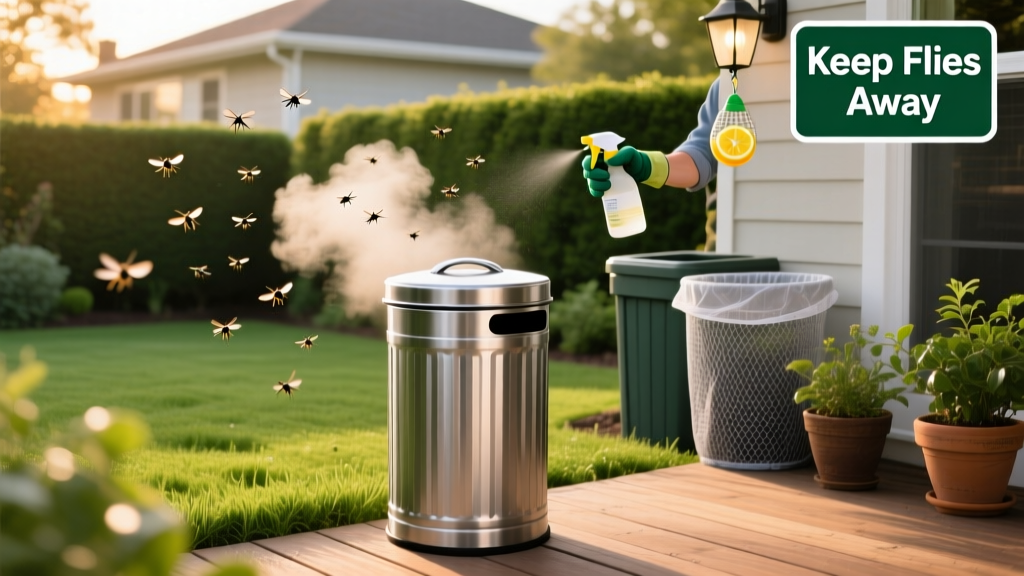
How to Keep Flies Out of Trash Cans: 7 Proven Yard Defense Tactics
Figuring out how to keep flies out of your trash can is a critical component of comprehensive yard defense. House flies (Musca domestica) are not merely a nuisance; they are mechanical vectors capable of transmitting over 65 human diseases, including typhoid, dysentery, and cholera, by transferring pathogens from decaying organic matter to your outdoor living spaces. According to entomologists at the University of Florida IFAS Extension, a single female house fly can lay up to 500 eggs in her lifetime, often depositing them in the moist, decaying organic waste found at the bottom of poorly sealed outdoor bins.
Generic advice like 'keep the lid closed' fails to address the biological and chemical triggers that draw flies to your property. To establish a permanent perimeter defense, you must disrupt their breeding cycle, eliminate the volatile organic compounds (VOCs) they track, and upgrade your physical barriers. Here are seven highly specific, actionable tactics to fortify your waste stations.
The 48-Hour Fly Breeding Window
The foundation of fly defense is understanding their reproductive timeline. In peak summer temperatures (85°F to 95°F), fly eggs deposited in meat scraps, pet waste, or rotting fruit can hatch into maggots in as little as 8 to 20 hours. Within 48 hours, those maggots begin feeding aggressively on the liquid leachate at the bottom of your bin. If your trash pickup is delayed or you only empty your bins weekly, you are actively running a fly nursery.
⚠️ Critical Warning: The Double-Bagging Myth
Many homeowners believe double-bagging prevents leaks. However, standard 13-gallon drawstring bags (1.5 to 2.0 mil thickness) easily tear when lifted, especially if bone-in meat scraps or sharp packaging are inside. When the outer bag tears, leachate pools at the bin's base, creating an inaccessible breeding ground that standard rinsing cannot reach.
Hardware Upgrades: Bins and Lids That Actually Seal
Flies can navigate gaps as small as 2 millimeters. Standard municipal-issue plastic bins with warped, sun-damaged lids provide ample entry points. Upgrading your hardware is the first physical line of defense.
Top-Rated Sealed Bins for Yard Defense
- Toter Bear-Proof 64-Gallon Cart ($250 - $280): While marketed for wildlife, the Toter's double-walled polyethylene construction and heavy-duty front latch create a flush, airtight seal that completely blocks fly entry. The rigid lid will not warp under UV exposure.
- Simplehuman 13-Gallon Outdoor Step Can ($120 - $150): Ideal for smaller patios or secondary waste stations. Features a fingerprint-proof stainless steel exterior and a tight-fitting, gasket-lined lid that traps internal odors and blocks insect ingress.
- Rubbermaid Brute 32-Gallon with Gasket Lid ($65 - $85): A commercial-grade upgrade. Ensure you purchase the specific 'Gasket' lid model, which features a foam rubber seal that compresses against the rim when locked down.
Breaking the Pheromone Trail: Enzymatic vs. Chemical Cleaners
Flies locate trash cans from up to two miles away by tracking VOCs emitted by decaying proteins and sugars. Pouring bleach into a trash can is a common but ineffective tactic. Bleach (sodium hypochlorite) disinfects surfaces but does not break down the complex organic protein chains that generate these odors. Once the bleach evaporates, the odor returns, and the flies follow.
To permanently neutralize the scent trail, you must use enzymatic cleaners. These contain live bacteria cultures that literally digest the organic matter at a molecular level.
| Cleaner Type | Active Mechanism | Effectiveness on Fly VOCs | Estimated Cost |
|---|---|---|---|
| Household Bleach | Surface oxidation and disinfection | Poor (Odor returns quickly) | $4 / gallon |
| Zep Commercial Trash Can Cleaner | Industrial degreaser and deodorizer | Moderate (Masks odors temporarily) | $8 / 32oz |
| Simple Solution Enzymatic Cleaner | Live bacterial digestion of proteins | Excellent (Eliminates source) | $12 / 32oz |
| OdoBan Disinfectant | Quaternary ammonium compounds | Good (Kills bacteria causing odor) | $10 / gallon |
Botanical Deterrents and Spatial Repellents
While eliminating the food source is primary, spatial repellents create an invisible barrier around the bin. Research highlighted by Penn State Extension indicates that certain essential oils disrupt the olfactory receptors of flies, effectively blinding them to the scent of your garbage.
DIY Perimeter Spray Recipe
Mix the following in a 16-ounce pressurized garden sprayer:
- 14 ounces of distilled water
- 2 ounces of witch hazel (acts as an emulsifier)
- 20 drops of Lemongrass essential oil (high citral content)
- 15 drops of Eucalyptus essential oil
- 10 drops of Peppermint essential oil
Spray the exterior of the bin, the lid hinges, and the surrounding concrete pad twice a week. The citral and eucalyptol compounds act as powerful natural deterrents without introducing synthetic pyrethroids into your yard's ecosystem.
Strategic Placement and Microclimate Management
Flies are weak fliers and rely on thermal updrafts and wind currents to navigate. They also thrive in stagnant, humid air. Where you place your trash cans dictates how easily flies can colonize them.
- Wind Corridors: Place bins in areas of your yard that experience natural cross-breezes. Flies struggle to land and navigate in winds exceeding 5 mph.
- Sun vs. Shade: While direct sunlight accelerates the decomposition of waste (increasing odors), the UV radiation and high surface temperatures (often exceeding 120°F on dark plastic) make the exterior of the bin inhospitable for resting flies. A balance is required: keep bins in partial shade to slow decomposition, but ensure they are not in a damp, windless corner of a fence line where moisture pools.
- Distance from Doors: Maintain a minimum 15-foot distance between your waste station and any exterior doors to prevent flies from migrating indoors when you enter or exit.
The Weekly 15-Minute Maintenance Protocol
Consistency is the cornerstone of pest management. Implement this exact protocol on the evening of your trash collection day:
Post-Pickup Bin Reset
- Inspect the Liner: Ensure no bags have torn. If liquid is present at the bottom, remove all waste.
- Apply Enzymatic Treatment: Spray the interior base and walls generously with an enzymatic cleaner (like Simple Solution). Allow it to sit for 10 minutes to break down residual proteins.
- Rinse and Dry: Rinse with a high-pressure hose nozzle. Crucial step: Prop the lid open and let the bin dry completely in the sun. Flies require moisture to lay viable eggs; a bone-dry bin is a hostile environment.
- Apply Absorbent Base Layer: Before placing a new bag, sprinkle a half-cup of baking soda or commercial odor-absorbing powder (like Arm & Hammer Pet Fresh) at the bottom of the bin to capture future micro-leaks.
- Treat the Exterior: Apply the botanical deterrent spray to the lid, handle, and exterior walls.
Frequently Asked Questions
Will putting a fly strip inside the trash can work?
No. Fly strips (like those containing dichlorvos) are designed for enclosed, unventilated spaces like attics or garages. In an outdoor trash can, the airflow dissipates the active ingredient, rendering it useless. Furthermore, placing toxic chemical strips near organic waste that may be handled by sanitation workers or pets poses an unnecessary hazard.
Do flies breed in recycling bins?
Yes, if the recycling bin contains unrinsed beverage cans, juice cartons, or food containers. The residual sugars and yeasts in these containers are highly attractive to fruit flies and house flies. Always rinse recyclables before placing them in the bin to remove the sugar residue.
Can I use mothballs in the bottom of my outdoor trash can?
Using mothballs (naphthalene or paradichlorobenzene) outdoors or in trash cans is illegal and highly dangerous. The EPA strictly regulates mothballs as pesticides, and their use outside of airtight containers in living spaces violates federal law. They will leach toxic chemicals into the soil and groundwater when it rains.