
Home & Garden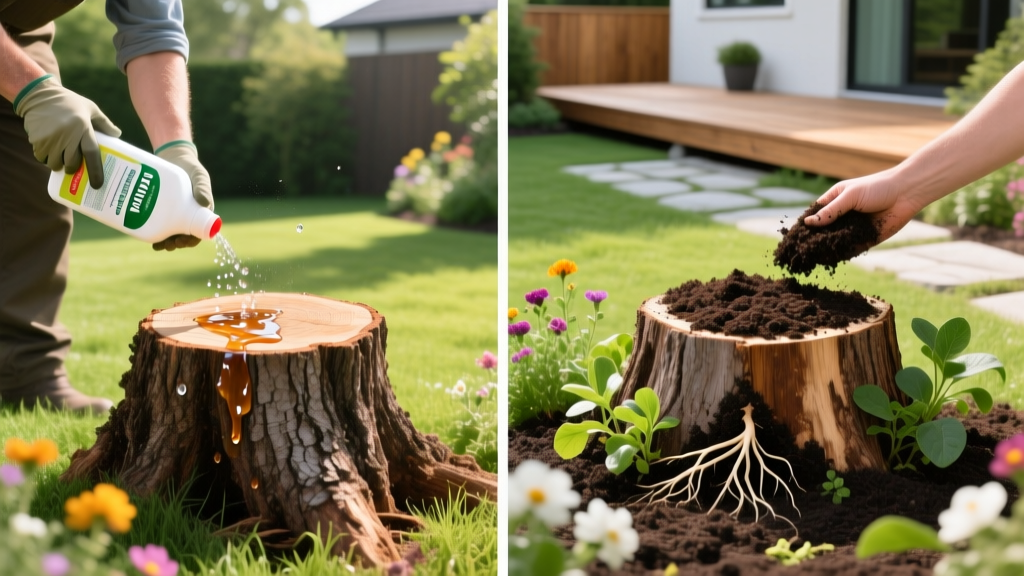
Killing Stumps: Chemical vs. Natural Removal Methods Compared
The Biology of Stump Regrowth: Why Cutting Isn't Enough
When a tree is felled, the remaining root system enters a state of biological panic. Deprived of the photosynthetic canopy, the roots trigger epicormic sprouting—sending up aggressive water sprouts in a desperate bid to survive. Simply cutting a tree at grade does not kill the root system; it merely changes its growth habit. Effectively killing stumps requires interrupting the vascular cambium, the thin layer of living tissue just inside the bark responsible for transporting nutrients and systemic treatments.
The optimal approach depends heavily on the tree species, stump diameter, and proximity to desirable flora. Broadleaf deciduous trees like oaks, elms, and poplars are notorious resprouters and typically require systemic intervention. Conversely, most conifers (pines, spruces, firs) lack the ability to resprout from the stump and only require accelerated decay protocols.
Quick Decision Matrix:
- Small Stump (<12 inches), isolated: Chemical cut-and-paint method.
- Large Stump (>24 inches), near garden beds: Mechanical grinding or natural osmotic desiccation (Epsom salt) to prevent chemical translocation to nearby plants.
- Coniferous Stump: Skip herbicides; use potassium nitrate to accelerate fungal rot.
- Multiple stumps of the same species nearby: Avoid systemic herbicides due to root grafting risks (detailed below).
Chemical Herbicide Protocols for Killing Stumps
Systemic herbicides are the fastest method for killing stumps, typically showing complete vascular necrosis within 2 to 6 weeks. The two primary active ingredients used in residential settings are Triclopyr and Glyphosate.
Selecting the Right Active Ingredient
Triclopyr (Ester or Amine formulations): Triclopyr is highly selective, targeting broadleaf plants while leaving grasses unharmed. Products like Ortho MAX Poison Ivy & Tough Brush Killer (8% triclopyr) or professional-grade Garlon 4 (60% triclopyr ester) are ideal. Ester formulations are oil-soluble and penetrate the waxy cuticles of difficult species like cedar and juniper far better than water-soluble amine formulations.
Glyphosate: A non-selective systemic herbicide. For stump treatment, standard ready-to-use formulations are too weak. You must use a concentrate with at least 41% active ingredient (such as Roundup Super Concentrate at 50.2%) and apply it undiluted.
The 15-Minute Rule and Application Technique
The single most common failure mode in chemical stump treatment is delayed application. When a tree is cut, the vascular tissue begins sealing itself with tyloses and resins almost immediately. According to research cited by the University of Minnesota Extension, you must apply the herbicide within 15 minutes of making the final cut.
Do not paint the entire surface of the stump. The heartwood (the dark center) is dead and will not translocate the chemical. Use a foam brush to paint only the outer 2 inches of the stump—the living cambium layer. For older stumps that have already sealed, use a chainsaw to make a fresh horizontal cut, or use a hatchet to score the bark down to the sapwood, exposing fresh tissue before applying the herbicide.
Natural and Organic Approaches to Killing Stumps
For homeowners managing organic landscapes, or those dealing with stumps situated dangerously close to the root zones of desirable trees, natural desiccation and accelerated decay are the safest protocols.
The Epsom Salt Osmotic Method
Epsom salt (magnesium sulfate) kills stumps through extreme osmotic pressure. When introduced in high concentrations, it draws moisture out of the wood cells, desiccating the cambium and rendering the stump inhospitable to new growth. This process takes 6 to 12 months but is entirely safe for surrounding soil biology.
- Drilling: Using a cordless drill and a 1-inch spade bit, bore holes 10 to 12 inches deep into the stump. Space the holes 3 inches apart.
- Angling: Angle the drill bit 45 degrees outward toward the edge of the stump. This prevents the liquid solution from pooling in the center and spilling over the sides into your lawn.
- Mixing: Create a saturated solution using 2 parts Epsom salt to 1 part warm water. Do not use table salt (sodium chloride), which will permanently sterilize the surrounding soil and prevent future planting.
- Filling and Sealing: Pour the solution into the holes until full, then seal the top with melted candle wax or duct tape to prevent rain from diluting the concentration.
Accelerated Decay via Potassium Nitrate
Products like Spectracide Stump Remover utilize 100% potassium nitrate. Rather than killing living tissue, potassium nitrate acts as a powerful oxidizer that feeds wood-decaying fungi, accelerating the natural rotting process from a decade down to 4 to 6 weeks. Once the wood becomes spongy, it can be easily chopped out with a mattock or burned in place (where local fire codes permit).
Cost and Timeline Comparison Matrix
As of early 2026, the economic and temporal investments for killing stumps vary wildly based on the chosen methodology. The table below breaks down the real-world costs and timelines for a standard 24-inch diameter oak stump.
| Method | Active Agent | Cost per Stump | Time to Effect | Risk to Flora |
|---|---|---|---|---|
| Chemical Cut-and-Paint | Triclopyr / Glyphosate | $2 - $5 | 2 - 6 Weeks | Moderate (Translocation) |
| Epsom Salt Desiccation | Magnesium Sulfate | $4 - $8 | 6 - 12 Months | None |
| Accelerated Fungal Rot | Potassium Nitrate | $10 - $15 | 4 - 8 Weeks | None |
| Professional Grinding | Mechanical Carbide Teeth | $150 - $250 | 2 Hours | Low (Physical Damage) |
Critical Edge Cases and Failure Modes
Even with perfect execution, environmental variables can cause stump treatment protocols to fail or cause collateral damage. Understanding these edge cases is what separates professional arborists from amateur gardeners.
Warning: Root Grafting and Herbicide Translocation
Trees of the same species planted within 20 feet of each other frequently undergo root grafting, where their subterranean root systems fuse to share water and nutrients. If you apply a systemic herbicide like glyphosate to Stump A, the chemical can translocate through the root graft and fatally poison the living Tree B. If treating a stump near a desirable tree of the same species, you must sever the connecting roots with a trenching shovel or vibrating plow before applying chemicals, or opt for mechanical grinding instead. The Clemson University HGIC strongly advises caution when using systemic herbicides near desirable landscape plants.
Trees of the same species planted within 20 feet of each other frequently undergo root grafting, where their subterranean root systems fuse to share water and nutrients. If you apply a systemic herbicide like glyphosate to Stump A, the chemical can translocate through the root graft and fatally poison the living Tree B. If treating a stump near a desirable tree of the same species, you must sever the connecting roots with a trenching shovel or vibrating plow before applying chemicals, or opt for mechanical grinding instead. The Clemson University HGIC strongly advises caution when using systemic herbicides near desirable landscape plants.
Dealing with Waxy Sapwoods
Species like Eastern Redcedar, Juniper, and some pines possess thick, waxy cuticles that actively repel water-based amine herbicides. If you attempt to paint Roundup (glyphosate) on a freshly cut cedar stump, the liquid will bead up and roll off the cambium. To bypass this defense mechanism, you must use an oil-based ester formulation (like triclopyr ester) or add a non-ionic surfactant, such as methylated seed oil, to your herbicide mix at a rate of 1% by volume. The surfactant breaks the surface tension, allowing the active ingredient to penetrate the waxy barrier.
The Soil Persistence Factor
While glyphosate binds tightly to soil particles and degrades relatively quickly via microbial action, certain triclopyr formulations can persist in the soil for several months. If you plan to replant a broadleaf tree or shrub in the exact same location within the next year, avoid soil drenching or heavy spillage of triclopyr. Always follow the EPA's guidelines for safe pesticide application, wearing chemical-resistant nitrile gloves and eye protection when handling concentrated herbicides.
Troubleshooting: What to Do When Sprouts Return
If you treated a stump and still see aggressive green sprouting emerging from the root flares or the sides of the stump after 8 weeks, the initial application failed to reach the deep lateral roots. Do not re-cut the stump. Instead, utilize the basal bark treatment method. Mix a 20% solution of triclopyr ester with 80% diesel fuel or mineral oil. Using a pump sprayer, apply this mixture to the lower 12 inches of the stump bark and the exposed surface roots. The oil carrier will penetrate directly through the intact bark, bypassing the need for fresh cuts and delivering the herbicide straight to the deep root system.

