
Home & Garden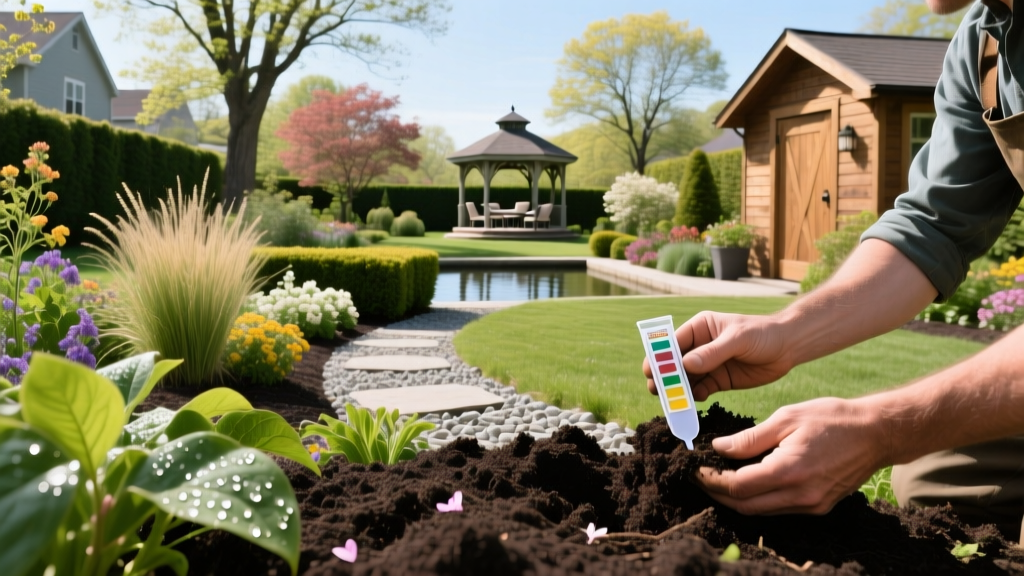
New York Hardiness Zone: Seasonal Planting Calendar & Frost Dates
New York State presents a unique challenge for home gardeners. Spanning from the freezing High Peaks of the Adirondacks to the temperate coastal microclimates of Long Island, the state encompasses a massive range of growing conditions. Understanding your specific new york hardiness zone is only the first step; translating that zone data into a precise, actionable seasonal calendar is what separates a thriving harvest from a failed crop.
The USDA updated the Plant Hardiness Zone Map in late 2023, shifting roughly half of New York State a half-zone warmer (e.g., Zone 5b became 6a). This shift fundamentally alters historical frost dates and succession planting windows. Below is a comprehensive, region-specific planting calendar calibrated for New York's diverse microclimates.
Decoding the New York Hardiness Zone Map
The Zone Shift Reality Check: Do not rely on pre-2024 gardening books for New York. The recent USDA map update means that areas previously classified as Zone 5b (like parts of the Hudson Valley) are now firmly Zone 6a. This grants an additional 10 to 14 frost-free days, allowing for longer-season cultivars that previously would have failed to mature before autumn frosts.
To plan your seasonal timing, you must first anchor your calendar to your region's specific frost window. The table below breaks down the four primary New York growing regions, their updated hardiness zones, and average frost dates based on recent National Weather Service and USDA climate data.
| Region (Example City) | Updated Zone | Last Spring Frost (50% Prob.) | First Fall Frost (50% Prob.) | Frost-Free Days |
|---|---|---|---|---|
| Adirondacks (Lake Placid) | 4a / 4b | May 22 | Sept 25 | ~125 |
| Central NY (Syracuse) | 5b / 6a | May 10 | Oct 12 | ~155 |
| Hudson Valley (Poughkeepsie) | 6b / 7a | April 25 | Oct 25 | ~183 |
| NYC / Long Island | 7b / 8a | April 3 | Nov 10 | ~221 |
Spring Timing: Soil Temperature Over Calendar Dates
The most common mistake New York gardeners make is planting based on the calendar date rather than soil temperature. Air temperature fluctuates wildly in April and May, but soil thermal mass provides a stable metric for root development.
Critical Soil Temperature Thresholds
- 45°F (7°C): Direct sow peas ('Lincoln' or 'Green Arrow'), spinach ('Bloomsdale'), and radishes. These cool-season crops will rot in cold, wet clay if planted before the soil reaches this baseline.
- 50°F (10°C): Transplant brassicas (broccoli, cabbage) and direct sow carrots ('Napoli').
- 60°F (15°C) at 4-inch depth: The absolute minimum for transplanting warm-season crops like tomatoes and peppers. Planting 'Rutgers 25th Anniversary' tomatoes into 55°F soil induces phosphorus lockout, resulting in stunted, purple-tinged foliage that never fully recovers.
Actionable Step: Invest in a digital soil probe thermometer. Measure at 8:00 AM for the most accurate daily baseline. For Upstate gardeners in Zones 4 and 5, use black plastic mulch or low tunnels (row covers supported by 9-gauge wire hoops) to raise soil temperatures by 5°F to 8°F, effectively mimicking the soil conditions of the Hudson Valley two weeks earlier.
Indoor Seed Starting Calculus
Count backward from your last spring frost date. For Zone 5b (Syracuse), your last frost is roughly May 10.
Tomatoes & Peppers: Start indoors 6-8 weeks prior (March 15 - March 29). Use a full-spectrum LED grow light, such as the Spider Farmer SF1000, positioned 18 inches above the canopy to prevent leggy, etiolated seedlings.
Cucurbits (Squash, Cucumbers): Start indoors only 3-4 weeks prior (April 12 - April 19). These crops suffer severe root shock if kept in starter cells too long. Use biodegradable cow-pot containers to minimize transplant disturbance.
Summer Succession & Heat Stress Management
By mid-July, the initial spring harvest of peas and early lettuce is finished. The new york hardiness zone map doesn't account for summer heat islands, which can push daytime temperatures in the NYC metro area 5°F to 7°F higher than surrounding rural areas, causing cool-season crops to bolt prematurely.
The Mid-Summer Planting Window
To secure a fall harvest, timing your late-summer sowing is critical. The goal is to establish crops while days are long, allowing them to mature as temperatures cool.
- Zone 4 (Adirondacks): Plant fall bush beans ('Provider') and frost-sweetened carrots by July 10. The window is extremely tight; use row covers in early September to extend the season.
- Zone 5/6 (Central NY / Hudson Valley): Sow bush beans, beets, and Swiss chard between July 20 and August 5. Direct sow winter radishes ('Daikon') by August 15.
- Zone 7 (NYC / Long Island): You have the luxury of time. Sow fall carrots and beets in mid-August. Plant broccoli and cabbage transplants in early September for a November harvest.
Watering Warning: Germinating seeds in late July requires twice-daily watering. The top 1/2 inch of soil will dry out in hours under the New York summer sun. Use a fine mist nozzle to avoid washing away small seeds like carrots and lettuce.
Autumn Frost Windows & Overwintering Strategies
Fall in New York is defined by the transition from active growth to dormancy. For perennial crops and overwintering alliums, the objective is to establish root systems without triggering top growth that will be killed by hard freezes.
Planting Hardneck Garlic
Garlic requires a prolonged vernalization period (exposure to cold) to properly divide into cloves. Hardneck varieties like 'Music' and 'German Red' are vastly superior to softneck types for New York's freezing winters.
- Timing: Plant 2 to 3 weeks after the first light fall frost, but before the ground freezes solid. For Zone 5, this is typically mid-to-late October. For Zone 7, wait until late November.
- Depth & Mulch: Plant cloves 2 inches deep (measured from the tip of the clove). Immediately after the ground freezes in December, apply 4 to 6 inches of seed-free straw mulch. This prevents frost heaving, which pushes the cloves out of the soil during the freeze-thaw cycles of February and March.
Chill Hours for Fruit Trees
If you are planting bare-root fruit trees in early spring, you must select cultivars that match your zone's winter chill hours (hours between 32°F and 45°F). According to Cornell University's Home Gardening resources, Upstate New York averages 1,000 to 1,200 chill hours, while Long Island averages 600 to 800.
Selection Rule: Plant 'Honeycrisp' or 'Liberty' apples in Zones 4-6 (requiring 800+ chill hours). In Zone 7b (Long Island), opt for low-chill peaches like 'Contender' or apples like 'Anna' to ensure proper spring bud break.
Regional Microclimate Hacks for NY Gardeners
The official hardiness zone is a macro-level average. Your specific yard operates in a microclimate that can shift your effective zone by a full degree.
Urban Heat Islands (NYC, Buffalo, Rochester)
Concrete and asphalt absorb solar radiation and release it at night. Urban gardeners in Brooklyn or Buffalo often experience minimum winter temperatures 5°F warmer than suburban counterparts. You can successfully overwinter Zone 7 perennials (like certain rosemary cultivars or fig trees wrapped in burlap) in protected urban courtyards that are technically mapped as Zone 6b.
Lake Effect Insulation (Western NY)
The heavy lake-effect snow belts east of Lake Erie and Lake Ontario act as a massive insulating blanket. While the air temperature might drop to -10°F (Zone 5a), the soil beneath 12 inches of snow rarely drops below 28°F. This allows gardeners in Buffalo to overwinter borderline-hardy perennials and spring bulbs without the severe frost heave experienced in the snow-scarce Hudson Valley.
Adirondack Frost Pockets
Cold air is dense and flows downhill like water. If your property is situated at the bottom of a slope or in a valley in the Adirondacks, you are gardening in a "frost pocket." Your last spring frost may occur a full two weeks later than the regional average, and your first fall frost will arrive earlier. Mitigate this by avoiding solid fencing on the downhill side of your garden, which traps cold air. Instead, use open lattice or plant deciduous shrubs to allow cold air to drain past your crops.

