Home & Garden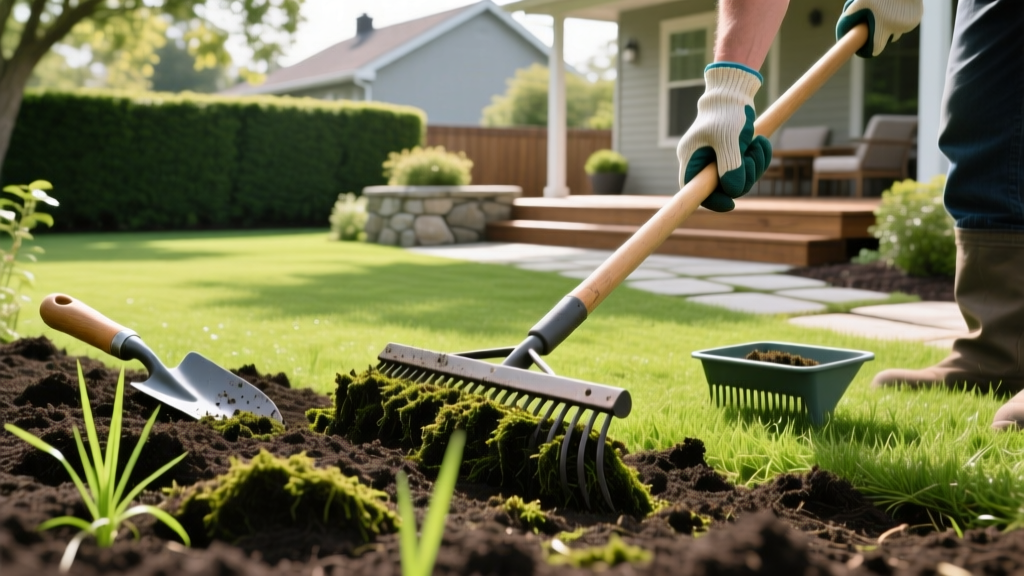
Peat Moss Guide: Soil Amendment Tips & Pete Moss Myth
The 'Pete Moss' Typo: What You Are Actually Buying
If you have been searching for 'pete moss' at your local garden center or online, you have encountered one of the most common phonetic misspellings in horticulture. There is no such thing as 'pete moss.' The product you are looking for is peat moss—specifically, sphagnum peat moss. This organic soil amendment is harvested from the decomposed remains of sphagnum moss found in ancient peat bogs. Understanding what this material actually is, how it alters your soil chemistry, and when to use it is critical for any beginner looking to improve garden bed structure in 2026.
Quick Clarification: Peat moss is not a fertilizer. It contains virtually zero nitrogen, phosphorus, or potassium (NPK). Its primary value lies in soil structure modification, moisture retention, and pH buffering.
Sphagnum Peat Moss vs. Peat Humus vs. Sphagnum Moss
Beginners often confuse three distinct products sold in the garden aisle. Buying the wrong one will lead to poor drainage or wasted money. Here is the exact breakdown of what you are looking at on the shelf:
| Product | Decomposition Level | Texture & Best Use |
|---|---|---|
| Sphagnum Peat Moss | Partial (1,000+ years) | Fibrous, light brown. Best for general soil amendment and seed starting. |
| Peat Humus | Advanced (Highly decomposed) | Black, powdery, dense. Holds less water. Best for darkening soil, not aeration. |
| Sphagnum Moss | None (Living/Recently dead) | Long, stringy fibers. Best for orchid potting, hanging baskets, and terrariums. |
The Science: Why Gardeners Use Peat Moss
The primary reason horticulturists rely on sphagnum peat moss is its unique cellular structure. Under a microscope, dead sphagnum cells act like microscopic sponges. This grants the material two massive advantages for garden beds:
1. Unmatched Water Retention
Dry sphagnum peat moss can absorb and hold 10 to 20 times its dry weight in water. When mixed into sandy soils that drain too quickly, it acts as a reservoir, releasing moisture slowly to plant roots as the surrounding soil dries out.
2. High Cation Exchange Capacity (CEC)
CEC measures a soil's ability to hold onto positively charged nutrient ions (like calcium, magnesium, and potassium) so they don't wash away in the rain. Peat moss boasts a CEC of 100 to 200 meq/100g. However, this capacity is highly pH-dependent. Because peat moss is naturally acidic, its ability to hold nutrients drops significantly unless the soil pH is buffered with lime.
Step-by-Step: Amending Garden Beds
Applying peat moss incorrectly is a leading cause of plant stress in beginner gardens. Because it is hydrophobic (water-repellent) when completely dry, you must never lay it on top of the soil as a mulch. It must be thoroughly hydrated and integrated.
Exact Measurements & Application Rates
A standard retail bale of peat moss (such as Sun Gro Black Gold or Hoffman Canadian Sphagnum) contains 3.8 cubic feet of compressed material. When fluffed, it expands to roughly 6 to 7 cubic feet.
- Coverage: One 3.8 cu. ft. bale will cover approximately 40 square feet at a 2-inch depth.
- Integration: Spread the fluffed peat evenly over your garden bed, then use a rear-tine tiller or garden fork to mix it into the top 6 to 8 inches of existing soil.
- Hydration: Water the peat moss as you fluff it. If it is dusty and dry, it will blow away in the wind and resist absorbing water once in the ground.
Warning: The pH Crash. Sphagnum peat moss has a natural pH between 3.0 and 4.5. Adding it to your garden without a buffer will rapidly acidify your soil, locking out essential nutrients for most vegetables and ornamentals. You must add 5 to 10 pounds of pelletized garden lime per 3.8 cu. ft. bale of peat moss to neutralize the acidity and bring the soil pH back to the optimal 6.0–6.8 range.
The 2026 Sustainability Debate
Peat bogs are critical global carbon sinks, storing twice as much carbon as all the world's forests combined. Harvesting peat moss requires draining these bogs, which releases stored carbon dioxide into the atmosphere and destroys fragile wetland ecosystems.
Due to intense environmental pressure, the UK implemented a complete ban on the retail sale of peat moss to amateur gardeners, a move that has heavily influenced global horticultural trends in 2026. While North America (where most commercial peat is harvested from Canadian bogs) has not enacted a blanket ban, the industry is aggressively pivoting toward sustainable alternatives. According to the Royal Horticultural Society (RHS), transitioning away from peat is no longer just an environmental preference, but a long-term supply chain necessity.
Cost Breakdown: Peat Moss vs. Coco Coir
For beginners weighing their options, coco coir (the fibrous husk of coconuts) is the leading alternative. Here is how they compare in the current market:
| Metric | Sphagnum Peat Moss | Coco Coir (Bricks/Bales) |
|---|---|---|
| Average Cost (2026) | $18 - $24 per 3.8 cu ft | $22 - $30 per 3.8 cu ft equivalent |
| Natural pH | 3.0 - 4.5 (Highly Acidic) | 5.5 - 6.5 (Near Neutral) |
| Water Retention | 10x - 20x dry weight | 8x - 9x dry weight |
| Wetting Ability | Hydrophobic when dry | Wets instantly, even when bone dry |
| Lime Required? | Yes (5-10 lbs per bale) | No (Usually requires calcium-magnesium buffering) |
As noted by experts at Fine Gardening, coco coir's near-neutral pH makes it significantly more forgiving for beginners who might forget to apply lime. However, peat moss remains slightly cheaper upfront and is still the gold standard for acid-loving plants like blueberries, azaleas, and rhododendrons where a low pH is actually desired.
Frequently Asked Questions
Can I use peat moss to top-dress my lawn?
No. Peat moss is too light and will blow away or form a hydrophobic crust on the surface of a lawn. For top-dressing grass seed, use fine-screened compost or a specialized peat-humus blend that is heavier and stays in place.
Does peat moss expire or go bad?
Unopened bales of peat moss do not expire. Because it is highly acidic and lacks nitrogen, it does not support the bacteria or fungi required for decomposition. A bale stored in a dry garage for five years will perform exactly the same as a fresh one.
Will it attract pests or weed seeds?
Unlike raw compost or topsoil, commercially baled sphagnum peat moss is naturally sterile. The acidic, anaerobic environment of the peat bog prevents weed seeds from surviving, and the lack of nutrients means it will not attract fungus gnats or soil-dwelling pests on its own.