
Home & Garden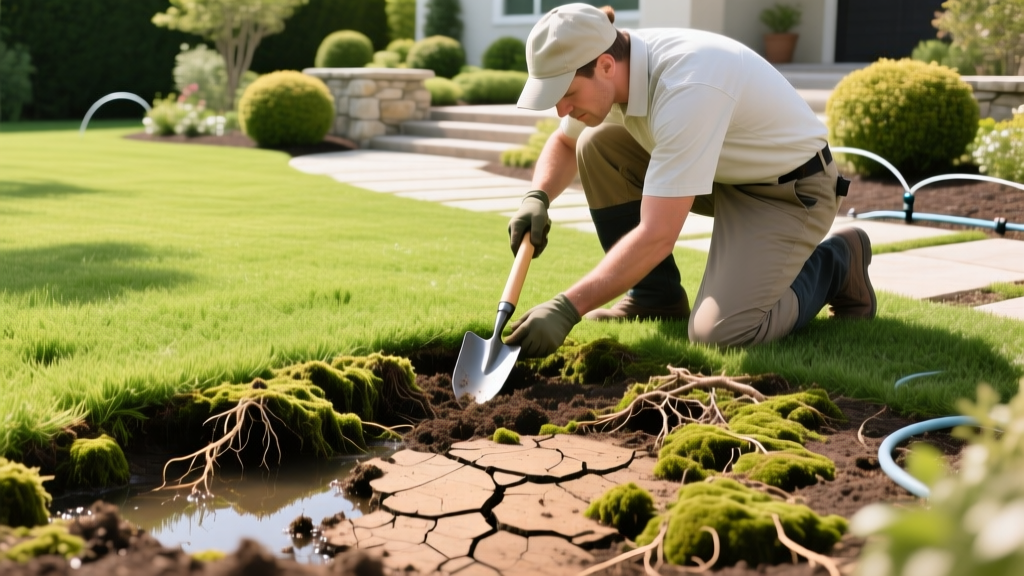
Peat Moss Soil Problems: Diagnosis and Expert Fixes
The Hidden Downsides of Peat Moss in Home Gardens
Sphagnum peat moss is a staple in horticulture, prized for its high cation exchange capacity (CEC) and moisture retention. However, when misapplied or used as a blanket soil amendment, it introduces severe structural and chemical imbalances. While frequently misspelled as peet moss by home gardeners searching for quick fixes online, true sphagnum peat moss requires precise management. In 2026, with a stronger emphasis on soil ecology and sustainable alternatives, understanding the failure modes of peat-heavy soils is critical for maintaining healthy root zones.
This guide provides a clinical approach to diagnosing peat-induced soil stress and outlines exact, measurable protocols to restore soil health.
Diagnostic Matrix: Is Peat Moss Causing Your Plant Stress?
Before amending your soil, cross-reference your plant symptoms with this diagnostic matrix to confirm if peat moss is the underlying culprit.
| Visible Symptom | Soil Test / Physical Indicator | Peat Moss Culprit Factor |
|---|---|---|
| Wilting despite recent watering; water pools on surface | Soil moisture meter reads 'dry' 2 inches down; surface sheds water | Hydrophobic dry-out (peat loses wettability below 30% moisture) |
| Yellowing leaves (chlorosis); stunted growth; purple stems | Soil pH reads below 5.5; available phosphorus is low | pH crash causing nutrient lockout (peat natural pH is 3.0-4.5) |
| Root rot; foul anaerobic odor; blackened root tips | Soil feels spongy but waterlogged; poor drainage after rain | Compaction and anaerobic decay (fine peat particles clog soil pores) |
Problem 1: Hydrophobic Dry-Out (The 'Bone Dry' Effect)
Diagnosis
When sphagnum peat moss dries out completely, its cellular structure collapses and becomes highly hydrophobic (water-repellent). You will notice water beading on the soil surface or channeling down the sides of a container, leaving the core root zone bone dry. This is the most common failure mode for gardeners who use high-peat potting mixes in raised beds or containers exposed to summer heat.
The Fix: Surfactants and Moisture Management
Do not attempt to fix hydrophobic peat by simply watering more heavily; the water will bypass the root zone. Instead, you must break the surface tension.
- Immediate Treatment: Apply a non-ionic surfactant or a natural yucca-based wetting agent (such as AquaGro 2000 or a generic horticultural yucca extract). Mix at a rate of 1 to 2 ounces per gallon of water and drench the soil. This reduces the water's surface tension, allowing it to penetrate the hydrophobic peat matrix.
- Subsurface Irrigation: For containers, use bottom-watering. Place the pot in a tray with 2 inches of water and allow capillary action to rehydrate the peat from the bottom up over 4-6 hours.
- Long-term Prevention: Never let peat-heavy soils drop below 30% volumetric water content. Apply a 2-inch layer of arborist wood chips or straw mulch to reduce surface evaporation.
Problem 2: pH Crashes and Nutrient Lockout
Diagnosis
Raw sphagnum peat moss is inherently acidic, typically registering a pH between 3.0 and 4.5. When incorporated into garden beds without adequate buffering, it rapidly depresses the overall soil pH. According to the University of Minnesota Extension, most vegetable crops and ornamental shrubs require a pH between 6.2 and 6.8 for optimal nutrient availability. Below pH 5.5, essential macronutrients like phosphorus, calcium, and magnesium become chemically locked in the soil, leading to severe deficiencies even if you are fertilizing regularly.
The Fix: Buffering and Liming Protocols
To neutralize the acidity introduced by peat moss, you must apply agricultural lime. The exact amount depends on your soil's cation exchange capacity (CEC) and current pH.
Expert Liming Calculator for Peat-Amended Soils:
To raise soil pH by exactly 1.0 unit in a standard loam soil heavily amended with peat moss, apply 5 to 7 lbs of pelletized calcitic lime per 100 square feet.
Adjustments: For sandy soils, reduce the rate to 3 to 4 lbs per 100 sq ft. For heavy clay soils, increase to 8 to 10 lbs per 100 sq ft. Always use dolomitic lime (which contains magnesium) if your soil test indicates low magnesium levels, a common issue when using high-peat mixes.
To raise soil pH by exactly 1.0 unit in a standard loam soil heavily amended with peat moss, apply 5 to 7 lbs of pelletized calcitic lime per 100 square feet.
Adjustments: For sandy soils, reduce the rate to 3 to 4 lbs per 100 sq ft. For heavy clay soils, increase to 8 to 10 lbs per 100 sq ft. Always use dolomitic lime (which contains magnesium) if your soil test indicates low magnesium levels, a common issue when using high-peat mixes.
Incorporate the lime into the top 6 inches of soil using a broadfork or tiller. Note that lime reacts slowly; it takes 3 to 6 months to fully alter the soil pH. For an immediate pH bump in emergency situations, apply wood ash at a rate of 2 lbs per 100 square feet, but avoid using ash around acid-loving plants like blueberries or azaleas.
Problem 3: Anaerobic Compaction in Heavy Clay
Diagnosis
A persistent myth in gardening is that adding peat moss to heavy clay soil improves drainage. In reality, mixing fine-textured peat moss into dense clay creates a concrete-like substance when wet, and a hardpan crust when dry. The fine particles of the peat fill the microscopic pore spaces between clay particles, destroying soil structure and creating anaerobic (oxygen-deprived) conditions that suffocate roots and promote phytophthora root rot.
The Fix: Structural Aeration and Organic Diversification
If you have already mixed peat moss into a clay bed and are experiencing compaction:
- Mechanical Aeration: Use a manual broadfork to fracture the soil down to 12 inches without turning it. This preserves soil layers while opening channels for oxygen.
- Introduce Coarse Organics: Top-dress the bed with 2 to 3 inches of coarse, composted pine bark fines or biochar. These larger, rigid particles act as structural pillars, preventing the clay-peat matrix from collapsing and sealing.
- Transition to Gypsum: Apply powdered gypsum (calcium sulfate) at a rate of 40 lbs per 1,000 square feet. The calcium ions will displace sodium on the clay particles, promoting flocculation (clumping) which naturally opens up pore space.
Peat Moss vs. Modern Alternatives: A 2026 Decision Matrix
Due to the environmental impact of harvesting peat bogs—which are critical carbon sinks—many horticulturists are transitioning to sustainable alternatives. The Royal Horticultural Society (RHS) strongly advocates for peat-free gardening. Use this matrix to decide when to use peat versus modern substitutes.
| Amendment | pH Range | Water Holding Capacity | Best Use Case | Primary Limitation |
|---|---|---|---|---|
| Sphagnum Peat Moss | 3.0 - 4.5 | Holds 10-12x its dry weight | Acid-loving plants (blueberries, azaleas); seed starting mixes | Becomes hydrophobic when dry; environmentally destructive to harvest |
| Coco Coir (Buffered) | 5.5 - 6.5 | Holds 8-10x its dry weight | General raised bed amendments; container potting mixes | Must be 'buffered' to remove excess sodium; can tie up calcium |
| Horticultural Biochar | 7.0 - 9.0 | Holds 2-3x its dry weight | Permanent soil structure improvement; nutrient retention in sandy soils | Provides no direct nutritional value; must be 'charged' with compost first |
| Composted Leaf Mold | 6.0 - 7.0 | Holds 3-5x its dry weight | Top-dressing; fungal-dominant soil food web support | Breaks down rapidly; requires annual reapplication |
Frequently Asked Questions
Why do my seeds fail to germinate in pure peat moss?
Pure peat moss lacks the necessary nutrients and physical structure for seedling root penetration. Furthermore, its high acidity can inhibit germination for many vegetable seeds. Always use a formulated seed-starting mix that blends peat with fine vermiculite and a minimal starter fertilizer, or switch to a buffered coco coir and perlite blend.
Is 'peet moss' different from sphagnum peat moss?
No. 'Peet moss' is simply a common phonetic misspelling of peat moss. In horticulture, the correct term is sphagnum peat moss (the decomposed, harvested bog material). Do not confuse this with sphagnum moss, which is the live, fibrous, long-strand moss used for lining hanging baskets and wrapping orchid roots.
How often should I test the pH of a peat-amended raised bed?
Test your soil pH twice a year: once in early spring before planting, and once in late autumn. Peat moss continues to break down and release organic acids over time, meaning the pH of a peat-heavy bed will naturally drift downward by 0.2 to 0.4 units annually, requiring periodic lime applications to maintain equilibrium.

