
Home & Garden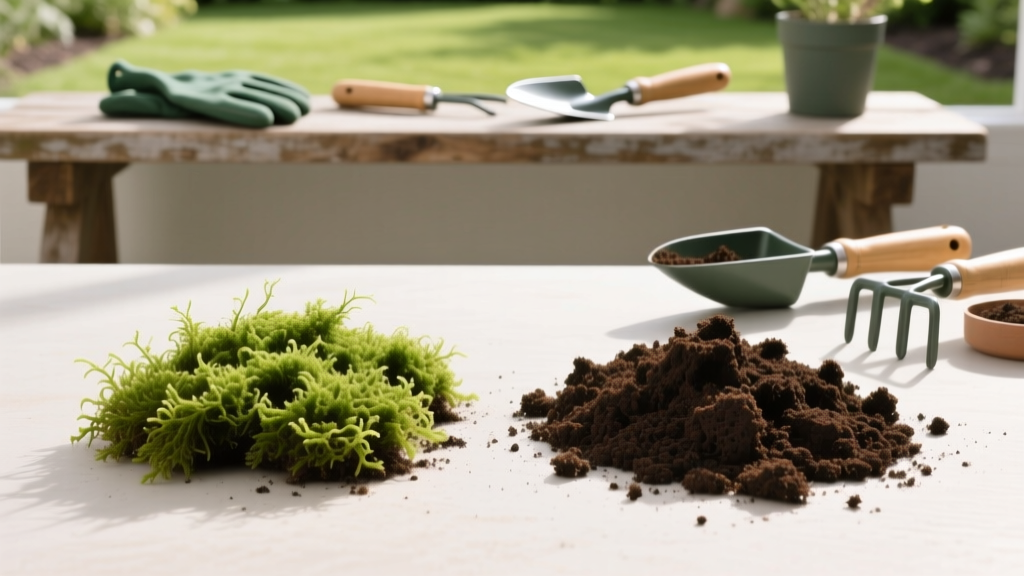
Pete's Moss vs Peat Moss: Beginner's Soil Amendment Guide
The 'Pete's Moss' Confusion: Typo, Brand, or Peat Moss?
If you have been searching for 'Pete's Moss,' you are likely encountering one of two things: a highly common phonetic typo for peat moss (Sphagnum peat), or a localized boutique brand name used by regional organic farms. In the broader horticultural and agricultural industries, the universally recognized term is peat moss. Whether you are holding a bag labeled 'Pete's Premium Moss' or a generic bale of Canadian Sphagnum, the underlying material is the same: decomposed sphagnum moss harvested from northern bogs.
Beginner Clarification: Do not confuse peat moss (the dark, crumbly, decomposed soil amendment) with sphagnum moss (the long, stringy, living or dried moss used for lining hanging baskets and orchid mounts). They come from the same plant but are processed differently and serve entirely different functions in the garden.
For beginners stepping into soil science, understanding how to properly utilize Sphagnum peat moss is critical. It is not a fertilizer; it is a structural soil conditioner. When used correctly, it dramatically improves moisture retention and soil aeration. When used incorrectly, it can lock out nutrients, repel water, and stunt plant growth. This guide breaks down the exact chemistry, preparation protocols, and mixing ratios you need to succeed.
The Science of Sphagnum: CEC and pH Dynamics
Peat moss is valued primarily for its Cation Exchange Capacity (CEC) and its water-holding capabilities. CEC measures a soil's ability to hold onto positively charged nutrient ions (like calcium, magnesium, and potassium) and release them to plant roots. Sphagnum peat moss boasts a massive CEC of 100 to 200 meq/100g, compared to standard topsoil which typically ranges from 10 to 25 meq/100g. This means it acts like a microscopic sponge, preventing expensive fertilizers from washing away during heavy rains.
However, this chemical efficiency comes with a major caveat: acidity. Unbuffered peat moss has a naturally low pH ranging from 3.0 to 4.5. Most common garden vegetables and ornamental plants prefer a pH between 6.0 and 7.0. If you dump raw peat moss directly into your garden beds without buffering it, you will acidify the soil to the point of aluminum toxicity, effectively locking out essential macronutrients.
The Buffering Protocol
To neutralize the acidity of peat moss before planting, you must blend it with an alkaline amendment. The industry standard is pelletized dolomitic lime (calcium magnesium carbonate).
- Standard Buffering Rate: Add 5 lbs of dolomitic lime per 3.8 cubic foot bale of peat moss.
- Application Timing: Mix the lime and peat moss at least 14 days before planting to allow the chemical neutralization process to complete.
Soil Amendment Comparison Matrix (2026 Market Data)
With the UK's complete retail ban on peat moss taking full effect in 2026, global supply chains are shifting, and prices for North American Sphagnum have risen to an average of $22–$30 per 3.8 cu. ft. bale. Here is how peat moss stacks up against popular alternatives for beginner gardeners.
| Amendment | Natural pH | Water Retention | Avg. Cost (2026) | Best Use Case |
|---|---|---|---|---|
| Sphagnum Peat Moss | 3.0 - 4.5 | Excellent (Holds 20x weight) | $22 - $30 / bale | Acid-loving plants, seed starting, clay soil loosening |
| Coconut Coir | 5.5 - 6.5 | Very Good | $18 - $25 / brick | General raised beds, hydroponics, neutral pH needs |
| Leaf Mold Compost | 6.0 - 7.0 | Moderate | Free (DIY) / $8 bag | Woodland gardens, top-dressing, fungal soil webs |
| Pine Bark Fines | 4.5 - 5.5 | Low | $12 - $16 / bag | Drainage improvement, orchid mixes, aeration |
The Pre-Soak Protocol: Avoiding Hydrophobic Dust
The single most common mistake beginners make is dumping dry peat moss directly into a garden bed and watering it afterward. Dry peat moss is highly hydrophobic (water-repellent). If you water dry peat moss, the water will simply channel through the cracks and run off, leaving the core of the moss bone-dry and useless to plant roots.
According to soil management guidelines from the University of Minnesota Extension, peat moss must be fully rehydrated in a controlled environment before it touches your garden soil.
Step-by-Step Hydration Method
- Puncture and Pre-Wet: Leave the peat moss in its plastic bale. Puncture the bag and pour 2 gallons of warm water directly inside. Let it sit upright for 30 minutes.
- Wheelbarrow Mixing: Empty the partially hydrated bale into a wheelbarrow. Break up the dense, dry core chunks by hand (wear gardening gloves; the acidity can dry out your skin).
- Gradual Watering: Add an additional 3 to 4 gallons of water slowly while turning the moss with a pitchfork.
Tip: Squeeze a handful of the mixed moss. It should feel like a wrung-out sponge, yielding only a few drops of water. If water streams out, it is too wet. If it springs back and feels dusty, add more water.
- Incorporate Buffer: Once the texture is uniform, mix in your dolomitic lime and any slow-release organic fertilizers (like kelp meal) before moving it to the garden bed.
Troubleshooting Common Peat Moss Failures
Even with proper hydration, beginners often encounter biological and chemical hurdles when introducing large volumes of organic matter to their soil.
- Nitrogen Tie-Up (Immobilization): As the microbes in your soil begin to break down the carbon-heavy peat moss, they consume vast amounts of ambient nitrogen. This can cause your plants' lower leaves to turn yellow (chlorosis) within weeks of planting. The Fix: Always mix a high-nitrogen amendment, such as blood meal (at a rate of 2 lbs per 100 sq ft), into the peat moss blend to feed the microbes without starving your plants.
- Surface Crusting: If peat moss is used as a top-dressing or mulch rather than mixed into the soil, it will dry out, form a hard crust, and block oxygen from reaching the root zone. The Fix: Never use peat moss as a surface mulch. Use shredded hardwood or arborist wood chips for mulching, and reserve peat moss strictly for soil incorporation.
- Compaction in Heavy Clay: Adding peat moss to heavy, wet clay soil without adding coarse sand or pine bark fines can create a concrete-like texture once it dries. The Fix: Use the 'Rule of Thirds' for clay beds: 1/3 native clay, 1/3 hydrated peat moss, 1/3 coarse horticultural sand or pine bark.
The 2026 Sustainability Debate: To Peat or Not to Peat?
No beginner guide to Sphagnum peat moss is complete without addressing the environmental reality of harvesting it. Peat bogs are massive terrestrial carbon sinks. According to the Canadian Sphagnum Peat Moss Association, the industry operates under strict regulations, harvesting less than 0.02% of North American peatlands annually and mandating bog restoration post-harvest. However, restored bogs take centuries to regain their original carbon-sequestering capacity.
'Gardeners in 2026 are increasingly adopting a hybrid approach: using small amounts of peat moss strictly for seed-starting and acid-loving crops like blueberries, while relying on renewable coconut coir and composted wood fibers for bulk raised-bed filling.'
For the eco-conscious beginner, the Royal Horticultural Society (RHS) strongly recommends transitioning to high-quality peat-free composts for general garden use, reserving your 'Pete's Moss' or generic Sphagnum bales for specialized horticultural tasks where its unique CEC and sterile properties are irreplaceable. By understanding the exact chemical and physical properties of the moss you buy, you can use less of it, achieve better plant health, and minimize your garden's ecological footprint.

