
Home & Garden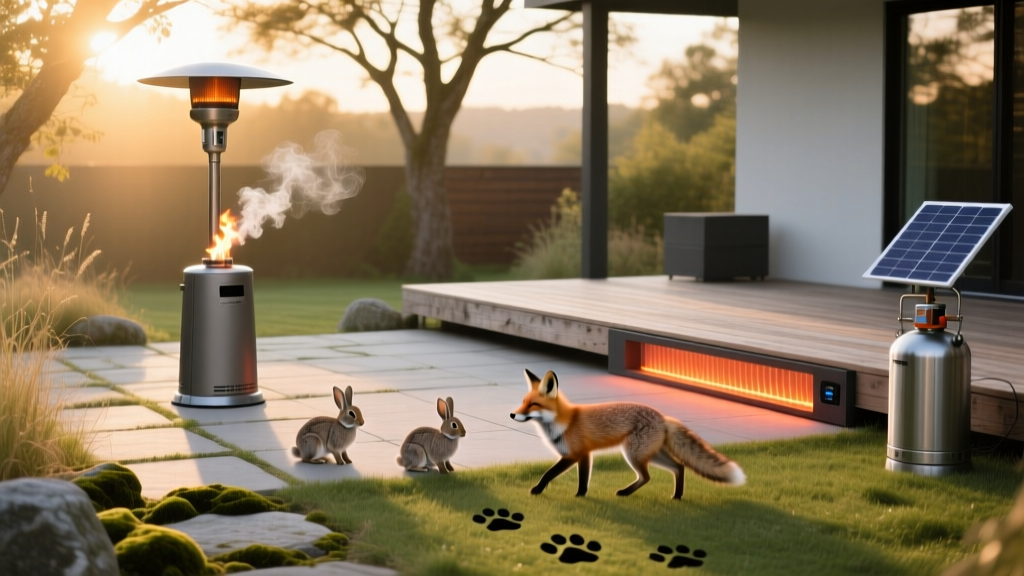
Propane vs Infrared Heater Wildlife Yard Impact
Yes, infrared patio heaters are fundamentally safe for humans, pets, and the environment. Unlike propane alternatives, electric infrared heaters emit non-ionizing thermal radiation, produce zero carbon monoxide, and eliminate open-flame fire risks. This makes them the superior, eco-conscious choice for residential outdoor spaces.
This guide is designed for homeowners, eco-conscious landscapers, and pet owners seeking to extend their outdoor living seasons without compromising yard ecology or family safety. We evaluate the latest 2026 heating technologies to help you make an informed decision.
Key Takeaways
- Safety: Electric infrared heaters emit safe, non-ionizing heat and produce zero toxic emissions.
- Wildlife Impact: Infrared units operate silently and without bright glare, preventing ecological disruption.
- Propane Risks: Propane heaters emit 2.7 kilograms of carbon dioxide per hour and pose open-flame hazards.
- Efficiency: Modern infrared panels achieve up to 90 percent thermal efficiency by heating objects directly.
The Science of Infrared Patio Heater Safety
Many consumers worry about radiation exposure when researching outdoor heating options. To address the common query regarding whether infrared heaters emit harmful radiation, it is essential to understand the electromagnetic spectrum.
Definition: Infrared Radiation
Infrared radiation is a type of electromagnetic energy with wavelengths longer than visible light but shorter than microwaves. It transfers heat directly to objects and people rather than warming the surrounding air, operating entirely outside the harmful ultraviolet spectrum.
Electric infrared patio heaters utilize this safe thermal transfer. The Occupational Safety and Health Administration classifies the infrared wavelengths used in commercial and residential heaters as non-ionizing, meaning they lack the energy to damage cellular DNA. Furthermore, Underwriters Laboratories certifies modern 2026 infrared panels to ensure surface temperatures remain within safe touch thresholds when properly mounted.
Infrared vs. Propane Heaters: Yard and Wildlife Impact
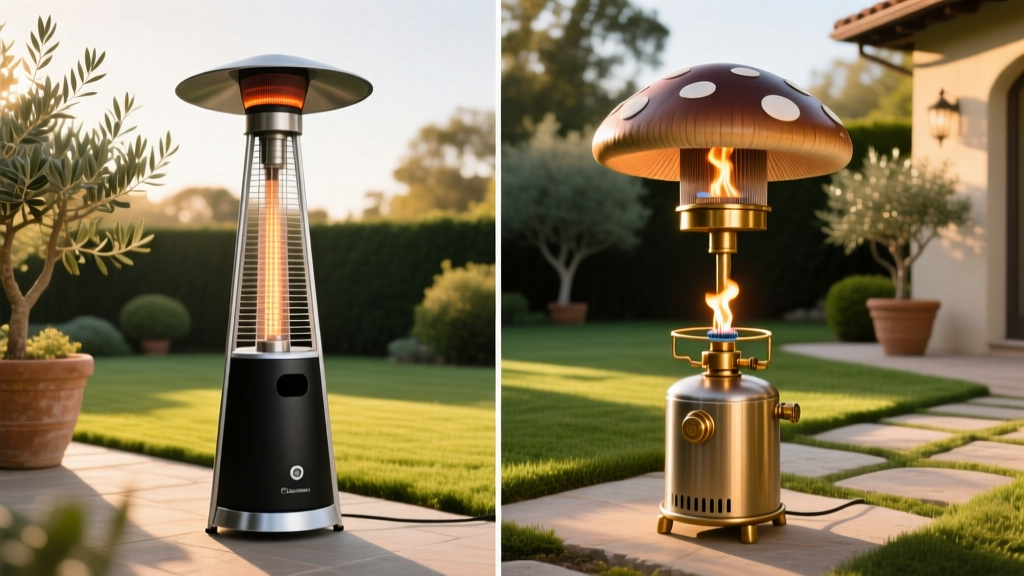
When evaluating propane vs infrared safety, the environmental and ecological footprints differ drastically. Propane mushroom heaters rely on combustion, which introduces multiple hazards to a residential yard.
According to the Environmental Protection Agency, incomplete combustion of fossil fuels releases carbon monoxide and nitrogen oxides. A standard 40,000 BTU propane patio heater generates approximately 2.7 kilograms of carbon dioxide per hour of operation. In enclosed or semi-enclosed patios, this poses a severe respiratory risk.
Performance and Efficiency Matrix
| Feature | Electric Infrared Heater | Propane Patio Heater |
|---|---|---|
| Emissions | Zero (No CO2 or CO) | 2.7 kg CO2 per hour |
| Thermal Efficiency | Up to 90 percent | Approximately 60 percent |
| Fire Risk | Low (No open flame) | High (Open flame, hot casing) |
| Standard Power/Output | 1500 watts to 3000 watts | 40,000 BTU to 50,000 BTU |
| Wind Resistance | High (Heats objects, not air) | Low (Wind blows heat away) |
Because infrared units heat solid mass rather than ambient air, they maintain a 90 percent thermal efficiency even in windy conditions. Propane heaters lose significant thermal energy to the atmosphere, requiring constant refueling and generating persistent localized emissions.
Protecting Pets and Local Wildlife
Homeowners frequently ask if infrared heaters are safe for pets. The answer is yes, provided the units are mounted out of direct leaping or climbing reach. Unlike propane heaters, which feature scalding-hot metal domes that can severely burn a curious dog or cat, infrared panels are typically shielded behind protective grilles and mount securely to ceilings or high walls.
The ecological impact on local wildlife is equally significant. Propane heaters generate a continuous roaring noise, often reaching 65 decibels, which disrupts the foraging and nesting patterns of local birds and small mammals. Electric infrared heaters operate at zero decibels.
Additionally, the bright, flickering glare of a propane flame contributes to localized light pollution. The National Audubon Society notes that artificial light pollution disorients nocturnal wildlife and migratory birds. Infrared heaters emit a low, ambient glow that does not interfere with the circadian rhythms of yard-dwelling fauna.
Installation and Operational Safety Checklist
To guarantee optimal safety and performance, follow this installation framework before operating your electric infrared patio heater:
- Clearance Verification: Maintain a strict 36-inch minimum clearance from the heater face to any combustible materials, including canvas awnings and hanging plants.
- Weather Rating Check: Ensure the unit carries an IP65 weather resistance rating to protect internal electrical components from rain and dust intrusion.
- Circuit Capacity: Verify that your outdoor receptacle is connected to a dedicated 20-amp circuit with Ground Fault Circuit Interrupter (GFCI) protection.
- Mounting Hardware: Use only the manufacturer-provided, load-tested steel brackets to secure the unit to structural joists, never to drywall or vinyl siding.
Frequently Asked Questions
Do infrared heaters dry out the air or cause skin damage?
No. Because infrared technology heats objects directly rather than boiling moisture out of the ambient air, it maintains natural humidity levels. The non-ionizing wavelengths do not cause ultraviolet skin damage or increase the risk of sunburn.
Can I leave an infrared patio heater on overnight?
While electric infrared heaters are vastly safer than propane alternatives, you should never leave any heating appliance unattended. Utilize integrated 2026 smart-timers or motion sensors to automatically power down the unit when the patio is vacant.
Which is safer for a covered wooden pergola: propane or infrared?
Electric infrared is the only safe choice for a covered wooden pergola. Propane heaters require massive vertical clearance to prevent the wooden ceiling from scorching or catching fire, whereas infrared panels can be safely flush-mounted to the pergola beams.
Conclusion
Electric infrared patio heaters are unequivocally safe, offering a zero-emission, silent, and highly efficient alternative to traditional propane models. They protect your family from carbon monoxide, shield your pets from open flames, and preserve the natural behaviors of local wildlife. Next step: Audit your patio layout today, measure the required 36-inch clearance zones, and select an IP65-rated electric infrared model to safely upgrade your outdoor space.

