
Home & Garden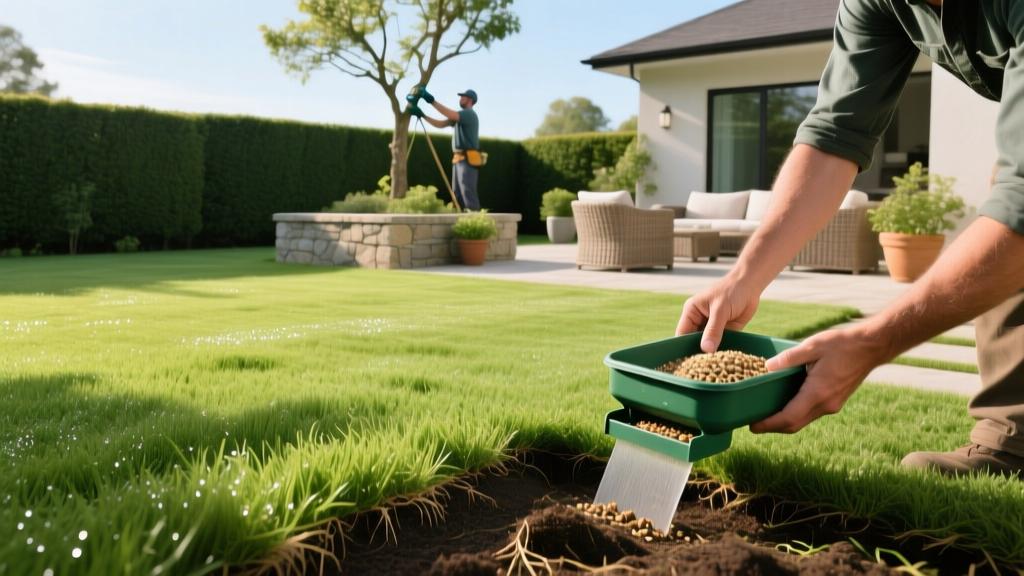
Reseed Synonym Guide: Overseeding vs Resodding for Lawns
Homeowners typing 'reseed synonym' into search engines are usually standing in their yards, staring at bare dirt, trying to figure out if they need to overseed, resod, sprig, or patch. The turfgrass industry uses specific terminology because each method solves a distinct lawn failure. Misdiagnosing the problem and applying the wrong technique wastes hundreds of dollars and an entire growing season. This guide decodes the correct reseed synonyms, matching your specific lawn symptoms to the exact biological and mechanical solutions required for 2026 turf recovery.
Diagnosing Your Lawn: Which 'Reseed' Method Do You Actually Need?
Before buying seed or ordering a pallet of sod, you must quantify the damage. Turfgrass scientists categorize lawn renovation based on the percentage of existing desirable grass versus weeds and bare soil. According to NC State University TurfFiles, complete renovation is only necessary when desirable turf drops below 50%.
| Lawn Symptom | Correct 'Reseed' Synonym | Primary Action Required | Estimated Cost (per 1,000 sq ft) |
|---|---|---|---|
| Thin turf, less than 30% bare spots | Overseeding | Core aeration + slit-seeding | $45 - $75 |
| More than 50% weeds or bare dirt | Complete Renovation (Resodding/Kill & Reseed) | Herbicide application, tilling, new sod/seed | $150 - $350 |
| Localized dog urine or fungus spots | Spot Patching / Plugging | Hand seeding or inserting sod plugs | $10 - $25 |
| Severe slope erosion washing away seed | Resodding | Soil grading and stapling sod rolls | $180 - $280 |
Overseeding: The True Synonym for Thickening Existing Turf
Overseeding is the process of planting grass seed directly into an existing lawn without tearing up the soil. This is the correct synonym when your lawn is fundamentally healthy but suffering from summer stress, minor disease, or gradual thinning.
Mechanical Seed-to-Soil Contact
Broadcasting seed by hand over an established lawn yields a dismal 10-15% germination rate because the seed dries out on the thatch layer. Professional overseeding requires a slit-seeder (like the Ryan Ren-O-Thin) or a core aerator. Slit-seeders cut 1/4-inch grooves into the soil, dropping the seed directly into the trench. For Tall Fescue lawns, the target seeding rate is 5 to 6 pounds per 1,000 square feet. Kentucky Bluegrass requires only 1 to 2 pounds per 1,000 square feet due to its aggressive lateral rhizome spread.
The Pre-Emergent Herbicide Conflict
The most common failure in overseeding is chemical interference. If you applied a pre-emergent herbicide containing Prodiamine (Barricade) or Dithiopyr (Dimension) in early spring, it will prevent your grass seed from germinating. These chemicals create a vapor barrier that stops root initiation. If you must overseed in a lawn treated with pre-emergents, you must use a seed-safe alternative like Mesotrione (Tenacity) at the time of seeding, which suppresses weeds without harming germinating cool-season grasses.
Resodding: When 'Reseed' Actually Means Replacing the Turf
When a lawn is severely compacted, infested with invasive weeds like creeping charlie, or suffering from grading issues that cause water pooling, seed will not save it. Resodding is the immediate replacement of the turf canopy and root zone.
Soil Preparation and Costs
In 2026, a standard pallet of sod (covering 450 to 500 square feet) costs between $160 and $300 depending on the grass variety and regional transport fees. However, the sod itself is only half the project. You must rent a sod cutter (such as a Billy Goat SC860) to remove the old, diseased turf and root mat. Once bare soil is exposed, till the top 4 inches and incorporate 2 cubic yards of compost per 1,000 square feet to restore soil biology. According to the University of Minnesota Extension, failing to amend the subsoil before laying sod leads to shallow rooting and severe drought vulnerability within two years.
'Laying sod over hard, unamended clay is essentially placing a green carpet on a concrete floor. The roots will never penetrate, and the turf will die the first time your irrigation system misses a cycle.' — Turfgrass Management Best Practices
Sprigging and Plugging: The Warm-Season Grass Synonyms
If you live in the transition zone or deep south and are trying to repair Bermuda, Zoysia, or Centipede grass, 'reseeding' is often the wrong approach entirely. Many premium warm-season grasses are hybrids that produce sterile seed and must be established vegetatively.
- Sprigging: Involves broadcasting small pieces of stolons and rhizomes (sprigs) over prepared soil and pressing them in. A bushel of Tifway 419 Bermuda sprigs covers roughly 1,000 square feet and costs around $40-$60. It requires aggressive daily watering for the first 21 days.
- Plugging: Planting 2-inch circular trays of live grass into the existing lawn on a grid pattern. For Meyer Zoysia, a 12x12-inch plug spacing will fill in completely within one 140-day growing season. Plugs are ideal for repairing localized damage without the expense of a full pallet of sod.
Step-by-Step Decision Framework
Quick Diagnosis Checklist
- Check Weed Density: If weeds cover more than 40% of the yard, kill the lawn with Glyphosate and resod or completely reseed. Do not attempt to overseed into heavy weeds.
- Check Soil Compaction: Try pushing a 6-inch screwdriver into the soil. If it won't penetrate, you must core aerate or till before any seed or sod will survive.
- Check the Calendar: Cool-season grasses (Fescue, Bluegrass, Ryegrass) must be overseeded in early fall (late August to mid-September). Warm-season grasses (Bermuda, Zoysia) must be sprigged or plugged in late spring (May to June).
Common Mistakes That Ruin Renovation Efforts
Even with the correct terminology and method, homeowners frequently sabotage their lawn recovery through improper aftercare. The Purdue University Turf Science program notes that improper mowing heights during establishment choke out new seedlings. When overseeding Tall Fescue, maintain the existing grass at 2.5 inches to allow sunlight to reach the soil, but once the new seed germinates and reaches 3 inches, mow it down to 3.5 inches to encourage deep root growth. Furthermore, avoid using straw as a seed blanket if it contains weed seeds; opt for sterile peat moss or specialized hydraulic mulch to retain moisture without introducing new weed pressures to your freshly renovated yard.