
Home & Garden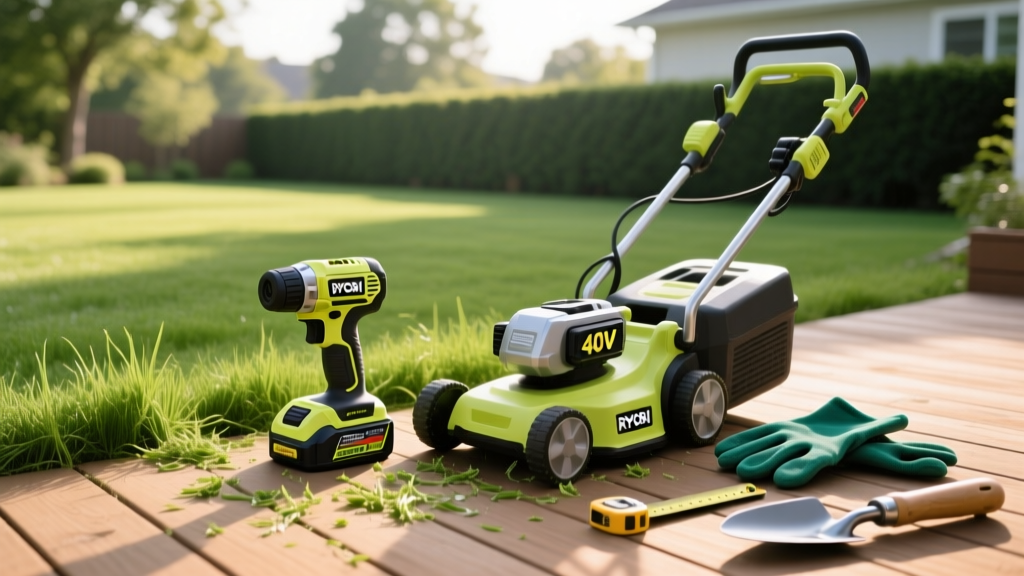
18V vs 40V Ryobi: A Beginner's Guide to Choosing the Right Battery
The Voltage Divide: Understanding the Two Ryobi Ecosystems
Walking into the tool aisle as a new homeowner presents an immediate fork in the road. You will see two distinct Ryobi aisles: the expansive 18V ONE+ system and the heavy-duty 40V outdoor lineup. Choosing between them is the most critical financial and practical decision you will make for your yard equipment. The wrong choice leads to either underpowered tools that stall in thick grass, or unnecessarily heavy equipment that causes arm fatigue. This guide breaks down the exact technical differences, real-world costs, and ergonomic factors to help you build the right starter kit in 2026.
Before comparing specific tools, we must clarify the electrical terminology. Voltage (V) dictates the raw power and torque output—think of it as the water pressure in a hose. Amp-hours (Ah) dictate the runtime capacity—think of it as the size of the water tank. A common beginner mistake is assuming a 40V tool will automatically cut grass faster than an 18V tool. While 40V provides higher peak torque for dense overgrowth, modern 18V HP (High Performance) brushless motors have largely closed the gap for standard residential lawn maintenance.
The Ryobi 18V ONE+ System: The Ultimate Hybrid Ecosystem
The 18V ONE+ platform is the largest cordless tool ecosystem in the world, boasting over 300 compatible products. For beginners, its primary advantage is versatility. A single 18V battery can power your indoor drill, your kitchen vacuum, your garage work light, and your yard trimmer.
Standout 18V Tools and Pricing
- PBLDD01 18V ONE+ HP Brushless Drill Kit: Priced around $169, this kit includes a 2.0Ah battery. It delivers 550 in-lbs of torque, which is sufficient for driving 3-inch lag bolts into pressure-treated landscape timbers.
- PBTL01 18V ONE+ HP String Trimmer: At roughly $129 (bare tool), this trimmer uses a brushless motor to spin the line at 6,200 RPM. It easily handles standard Bermuda and Fescue grasses.
- P21100 18V Leaf Blower: A lightweight, handheld option perfect for clearing driveways and patios, though it lacks the CFM (cubic feet per minute) to move heavy, wet autumn leaves.
The 18V system excels in handheld ergonomics. A standard 18V 4.0Ah battery (model PBP005) weighs just 1.5 lbs. When you attach this to a 6 lb string trimmer, the total weight is a manageable 7.5 lbs, allowing you to edge your entire property without severe shoulder strain.
The Ryobi 40V HP System: The Gas Replacement Platform
The 40V platform is engineered exclusively for outdoor power equipment (OPE). It is designed to directly replace gas-powered mowers, chainsaws, and snow blowers. If your property exceeds half an acre, features thick St. Augustine grass, or requires clearing heavy snow, the 40V system provides the necessary sustained torque and thermal management to prevent motor burnout.
Standout 40V Tools and Pricing
- RY401150 40V HP 21-Inch Self-Propelled Mower: Retailing near $599, this mower utilizes dual 8.0Ah batteries to deliver the equivalent of a 160cc gas engine. The HP brushless motor adjusts power output dynamically when it senses thick grass resistance.
- RY40601 40V HP String Trimmer: Priced at $199 (bare tool), this features a carbon-fiber shaft to offset battery weight and a 16-inch cutting swath for rapid clearing of overgrown ditches.
- RY40850 40V Snow Blower: A 24-inch dual-stage unit that throws snow up to 30 feet, eliminating the need for gas stabilization and winter carburetor maintenance.
Head-to-Head Comparison Matrix
| Feature | Ryobi 18V ONE+ HP | Ryobi 40V HP |
|---|---|---|
| Primary Use Case | DIY projects, small yards, handheld tools | Large lawns, heavy brush, gas replacements |
| Ecosystem Size | 300+ tools (Indoor & Outdoor) | 100+ tools (Outdoor only) |
| Avg. Battery Weight (Mid-Capacity) | 1.5 lbs (4.0Ah) | 4.5 lbs (6.0Ah) |
| Entry-Level Starter Kit Cost | ~$169 (Drill/Impact kit) | ~$399 (Mower kit) |
| High-Capacity Battery Cost | $129 (8.0Ah) | $249 (8.0Ah) |
| Peak Torque Output | Moderate (Sufficient for wood/light metal) | High (Sufficient for thick brush/snow) |
The Hidden Trap: Handheld Fatigue and Battery Weight
The most common beginner mistake when evaluating 18v vs 40v ryobi tools is assuming that buying the highest voltage and highest Ah battery is always better. This leads to the "Handheld Fatigue Trap."
Consider the physics of a string trimmer. The tool acts as a lever. If you purchase a 40V trimmer and slot in a massive 40V 8.0Ah battery (weighing 6.2 lbs) to maximize runtime, you are adding significant weight to the rear of the lever arm. Over a 45-minute edging session, this 6.2 lbs translates to severe wrist and lower back fatigue. Conversely, an 18V trimmer running a 4.0Ah battery keeps the total tool weight under 8 lbs. For properties under 1/4 acre, the 18V system offers a vastly superior user experience for handheld tools because the runtime of a modern 18V 8.0Ah battery is more than enough to finish the job, while keeping the physical footprint smaller.
Can I Mix 18V and 40V Batteries?
No. The physical housings, pin configurations, and voltage regulators are entirely different. An 18V battery will not physically click into a 40V mower, and forcing a connection will destroy the tool's logic board. While Ryobi does offer a few niche dual-platform adapters for specific commercial applications, these are not standard consumer items. When you commit to a platform for your yard tools, you are locking into that specific battery ecosystem.
Expert Battery Care: Maximizing Lithium-Ion Lifespan
Lithium-ion batteries degrade based on chemical stress, not just charge cycles. According to data from Battery University, storing a lithium-ion battery at 100% charge in a hot garage (above 90°F) will permanently reduce its total capacity by up to 20% within a single summer.
"To maximize the lifespan of your Ryobi 18V or 40V batteries, store them indoors in a climate-controlled environment at roughly 50% charge during the off-season. Never leave them seated in the tool's battery port when not in use, as the tool's parasitic draw will slowly drain the battery below its critical voltage threshold, rendering it unchargeable by standard Ryobi chargers."
When a battery finally reaches the end of its life—typically after 3 to 5 years of heavy residential use—do not throw it in the household trash. Lithium-ion cells are fire hazards in garbage trucks. Consult the EPA's battery recycling guidelines and drop them off at designated retail collection points, such as the recycling desks found at most major home improvement stores.
Final Verdict for the Homeowner
There is no single "best" platform; there is only the right platform for your specific property. For the average beginner with a standard suburban lot, starting with the Ryobi 18V ONE+ HP system provides the most financial flexibility, allowing you to build a comprehensive indoor/outdoor tool collection without breaking the bank. However, if your primary goal is to eliminate the noise, fumes, and maintenance of gas-powered lawn mowers and snow blowers on a larger property, the Ryobi 40V HP lineup is a mandatory investment. Assess your square footage, evaluate your physical tolerance for tool weight, and buy the ecosystem that matches your weekend reality.
For more information on the complete lineup of outdoor equipment, visit the official Ryobi Tools website to view current 2026 specifications and local retailer availability.