
Home & Garden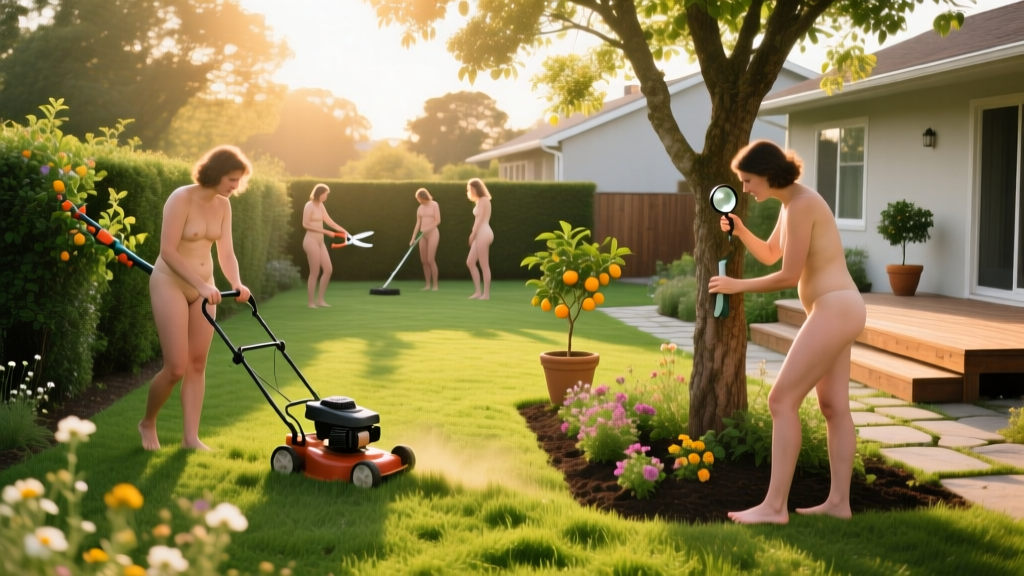
How to Safely Practice Nude Yard Work: A Naturist Gardening Guide
The Practical Reality of Naturist Gardening
For committed naturists, extending clothing-optional lifestyles to outdoor chores offers unparalleled sensory freedom and a deeper connection to the environment. However, practicing nude yard work strips away the primary barrier between your skin and a host of environmental, thermal, and mechanical hazards. Clothing acts as essential Personal Protective Equipment (PPE) against UV radiation, lacerations, thermal burns, and botanical toxins. When you remove that barrier, you must replace it with rigorous protocols, specialized tool selection, and strategic landscape design. This guide provides actionable, safety-first frameworks for naturists to maintain their yards without compromising their skin or their legal standing.
Establishing Legal Privacy and Sightline Barriers
Before initiating any nude yard work, you must secure a legally defensible expectation of privacy. In most jurisdictions, indecent exposure laws hinge on whether an individual is visible from a public right-of-way or a neighbor's property. The 'plain view' doctrine means that if a passerby or a neighbor in a second-story window can see you, you are at legal risk.
⚠️ Privacy Audit Checklist:
- Fence Height: Standard 6-foot privacy fences are insufficient if neighboring homes have second-story windows or elevated decks. You may require an 8-foot fence (check local HOA and municipal zoning codes, as many cap fences at 6 feet without a variance).
- Trellis Extensions: If zoning caps solid fences at 6 feet, add 2 feet of open-lattice trellis. Legally, this often bypasses solid-fence height restrictions while blocking downward sightlines.
- Evergreen Screens: Plant Thuja plicata 'Green Giant' arborvitae along fence lines. They grow 3 to 5 feet annually, reaching mature heights of 60 feet, providing a dense, year-round visual barrier that withstands heavy winds.
Advanced UV and Thermal Protection Protocols
Without fabric blocking ultraviolet rays, your entire body surface area is exposed to cumulative UV damage. The Skin Cancer Foundation notes that unprotected skin can sustain damage in as little as 15 minutes during peak UV index hours. For heavy outdoor labor, standard chemical sunscreens fail because sweat degrades their active ingredients and causes severe stinging if they run into your eyes or sensitive areas.
Mineral vs. Chemical Sunscreens for Bare-Skin Labor
For nude yard work, mineral (physical) sunscreens are mandatory. They utilize zinc oxide or titanium dioxide to sit on top of the skin and reflect UV rays, rather than absorbing into the bloodstream and reacting with sweat. According to guidelines from the American Academy of Dermatology, you must apply a broad-spectrum SPF 50+ formula 20 minutes before exposure and reapply every 80 minutes during heavy sweating.
| Sunscreen Type | Active Ingredients | Sweat Resistance | Naturist Suitability |
|---|---|---|---|
| Chemical Spray | Avobenzone, Octinoxate | Low (Runs easily) | Poor (High eye/skin sting risk) |
| Mineral Lotion | 20% Zinc Oxide | High (Water-resistant) | Excellent (Safe for all areas) |
| Mineral Stick | Zinc Oxide, Waxes | Very High | Ideal for face, neck, ears |
Product Recommendation: Use Thinksport SPF 50+ Mineral Sunscreen (approx. $18 for 6oz). Its thick, wax-based formula adheres to sweaty skin and will not migrate to sensitive mucous membranes during bending and lifting.
Tool Selection: Mitigating Thermal and Laceration Risks
The most overlooked hazard in nude yard work is thermal burns from gas-powered equipment. A standard gas-powered string trimmer or lawn mower engine operates with exhaust muffler temperatures exceeding 400°F (204°C). Brushing your bare thigh against a hot engine deck or muffler while navigating tight garden beds will cause instantaneous third-degree burns.
The Battery-Powered Mandate
Naturists must transition entirely to battery-electric outdoor power equipment (OPE). Electric motors generate a fraction of the radiant heat of internal combustion engines and eliminate the risk of hot exhaust components.
- String Trimmers: Swap gas models for the EGO Power+ ST1521S 15-Inch 56V String Trimmer ($299). The battery and motor housing remain near ambient temperature, making it safe to operate even if the shaft rests against bare skin.
- Chainsaws & Pruners: Use the Milwaukee M18 FUEL 16-inch Chainsaw. Without a hot gas engine block, the risk of accidental calf burns during felling or bucking is eliminated.
- Blade Guards: Always install and maintain heavy-duty debris shields on trimmers. A bare shin struck by a high-velocity pebble ejected from a weed whacker can result in deep tissue lacerations.
Botanical Hazards and Pest Mitigation
Clothing protects against urushiol oil (the toxin in poison ivy, oak, and sumac) and tick bites. When gardening nude, you must proactively manage your landscape to eliminate these threats before you begin working.
Managing Urushiol and Thorny Plants
According to Penn State Extension, urushiol oil can bind to bare skin and trigger an allergic reaction in as little as 10 to 15 minutes. Never attempt to pull poison ivy or handle thorny brambles (like blackberries or roses) without wearing heavy leather gauntlet gloves and knee-high leather gaiters, even if the rest of your body is nude.
💡 Pro-Tip: The Pre-Work Landscape Sweep
Before any nude gardening session, conduct a 'clothed sweep' of the work area. Identify and remove any toxic weeds, sharp debris, or hidden thorny branches. Mulch garden beds heavily with 3 inches of cedar bark to suppress toxic weed growth and create a soft, debris-free walking surface for bare feet.
Tick Prevention Without Clothing Barriers
Ticks quest for hosts on the tips of tall grasses. Without tucked-in pants or socks, your lower legs are highly vulnerable. If you are working in unmaintained or perimeter areas of your yard, apply a 20% Picaridin lotion (such as Sawyer Picaridin) to your legs and feet. Picaridin is non-greasy, does not degrade plastics or garden tool grips, and is highly effective at repelling Ixodes (deer) ticks.
Post-Work Decontamination Protocol
After completing nude yard work, proper decontamination is critical to remove sweat, microscopic plant sap, soil-borne bacteria, and potential urushiol transfer from your hands to your body. Standard showering with regular soap is often insufficient and can actually spread plant oils across your skin.
- Dry Wipe: Before getting wet, use a dry paper towel to wipe away visible dirt and sap. Water can activate certain plant defenses and spread oils.
- Solvent Cleansing: Apply a specialized botanical cleanser like Tecnu Extreme Poison Ivy & Oak Scrub ($18) or Zanfel ($35). These contain micro-scrubbing beads and specialized surfactants designed to physically lift urushiol oil out of skin pores before it binds.
- Targeted Scrubbing: Pay special attention to areas where sweat accumulates and where your hands may have inadvertently touched your body (e.g., back of the knees, groin, underarms).
- Hydrate: Finish with a cool shower and apply a ceramide-rich moisturizer (like CeraVe Daily Moisturizing Lotion) to repair the skin barrier compromised by sun exposure and wind.
Frequently Asked Questions
Can I use a leaf blower while doing nude yard work?
Yes, but only battery-powered models. Gas blowers emit toxic exhaust fumes directly toward your body, and the high-velocity air can blow debris, mulch, and fungal spores directly into your eyes and sensitive areas. Always wear ANSI Z87.1-rated safety goggles and a dust mask when operating a blower, regardless of your attire.
Is it safe to garden barefoot?
Barefoot gardening is common among naturists, but it exposes you to tetanus-prone puncture wounds from hidden nails, glass, or sharp roots. Reserve barefoot gardening strictly for maintained, mulched, or grassy areas. When turning soil, composting, or working in unmanaged beds, wear closed-toe footwear like Crocs Classic Clogs or minimalist barefoot shoes (e.g., Vibram V-Run) to protect your soles while maintaining a grounded feel.