
Home & Garden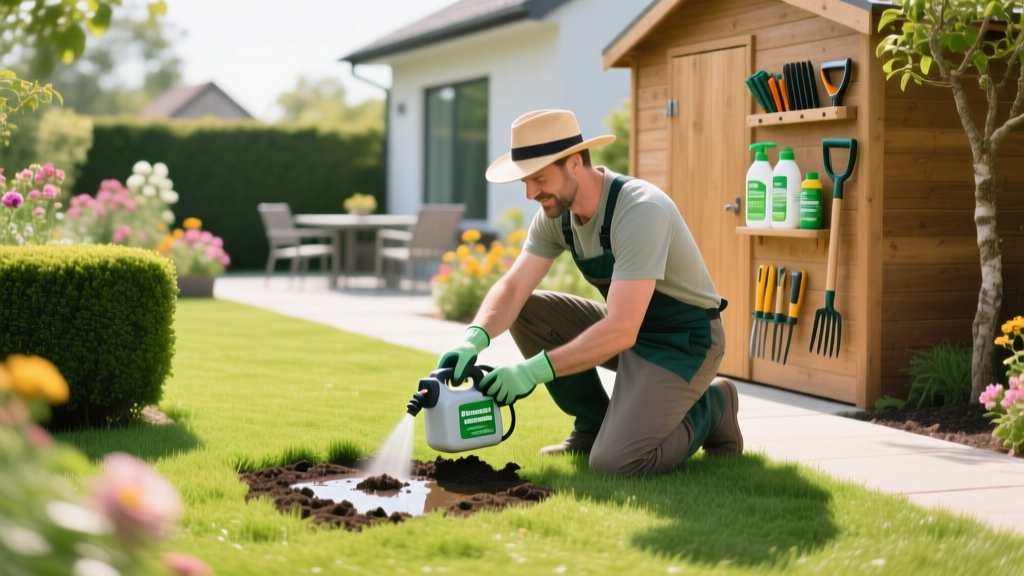
How to Get Rid of Gasoline: Safe Disposal & Lawn Spill Remediation
Within the pest and weed removal community, few pieces of advice are as persistent—or as catastrophically wrong—as using leftover fuel to kill stubborn brush. If you are researching how to get rid of gasoline because you have stale fuel from winterized mowers, or because you accidentally spilled a can while refueling your string trimmer, you need a remediation playbook, not a hazardous shortcut. Modern E10 and E15 ethanol-blended fuels degrade rapidly, turning into a varnish-like sludge that ruins carburetors and creates toxic spill risks in your yard.
The 'Weed Killer' Myth: Why Gasoline Fails and Poisons Your Yard
A dangerous myth circulating on DIY forums suggests pouring gasoline on poison ivy, deep-rooted thistles, or stubborn brush to kill them. This is not only highly illegal under federal environmental regulations, but it also fundamentally fails as a weed removal strategy.
⚠️ PEST & WEED PLAYBOOK WARNING: Gasoline consists of volatile organic compounds (VOCs) that flash-evaporate within 24 to 48 hours. While the initial chemical burn may scorch the top foliage of a weed, the fuel evaporates before it can penetrate and destroy the taproot. What remains in the soil is a toxic residue of BTEX compounds (benzene, toluene, ethylbenzene, and xylene) that sterilizes the soil microbiome, making it impossible for grass or desirable plants to grow in that spot for months.
According to the Agency for Toxic Substances and Disease Registry (ATSDR), gasoline exposure in soil disrupts the nitrogen cycle and kills the mycorrhizal fungi necessary for plant root health. Instead of using it as an herbicide, you must focus on safe disposal and soil remediation.
How to Get Rid of Gasoline: Disposing of Stale Mower Fuel
Standard E10 gasoline (10% ethanol) begins to degrade and separate in as little as 30 days, especially in the small, vented fuel tanks of lawn equipment. If your mower has been sitting since last season, do not attempt to run it. Follow this disposal protocol:
- Siphon Safely: Use a manual rotary hand pump siphon (never use your mouth or open flames). Transfer the stale fuel into a DOT-approved, red polyethylene safety can (e.g., a 2.5-gallon Eagle Type II can, typically $25-$35).
- Dilution for Automotive Use (Conditional): If the gasoline is less than 6 months old and shows no signs of water separation (cloudiness), you can safely dispose of it by adding it to your car's gas tank. The ratio must be no more than 10% old gas to 90% fresh, high-octane fuel. Modern vehicle fuel injectors and catalytic converters can easily process this minor dilution.
- Hazardous Waste Drop-Off: If the fuel is over a year old, smells like rotten eggs (varnished), or has water contamination, it must be taken to a local household hazardous waste (HHW) facility. The Environmental Protection Agency (EPA) mandates that liquid fuels never be poured down storm drains, septic systems, or onto the ground. Most municipal HHW centers accept up to 20 gallons of gasoline per household for free or a nominal fee of $5 to $15.
The Spill Remediation Playbook: Fixing Soil After a Leak
Accidental spills happen when filling a push mower or when a fuel line cracks on a riding tractor. Gasoline is a non-aqueous phase liquid (NAPL), meaning it does not mix with water; it sinks through the topsoil and coats soil particles, suffocating grassroots.
Phase 1: Immediate Containment (0-2 Hours)
Speed is critical. Before the gasoline penetrates the subsoil and reaches the water table, you must bind the hydrocarbons.
- Apply Granular Absorbent: Generously cover the spill with a clay-based absorbent like Oil-Dri Granular Absorbent ($12 for a 10 lb bag) or standard unscented kitty litter. Do not use sawdust or paper towels, which can become spontaneously combustible when saturated with fuel vapors.
- Agitate and Wait: Work the clay into the top 1 inch of soil or concrete using a stiff-bristle broom. Allow it to sit for 2 to 4 hours to fully encapsulate the liquid.
- Collect and Bag: Sweep the saturated clay into a heavy-duty, 3-mil contractor trash bag. Seal it tightly and dispose of it at your local HHW facility alongside your stale fuel.
Phase 2: Excavation and Bioremediation (24-48 Hours)
If the spill occurred on dirt or grass, surface absorption is not enough. The hydrocarbons will have migrated downward.
- Excavate the Hot Zone: Using a flat-nosed spade, dig out the contaminated soil to a depth of 2 to 4 inches. Place this soil in sealed contractor bags for hazardous waste disposal.
- Aerate the Subsoil: Use a manual garden fork to pierce the exposed subsoil to a depth of 6 inches. This introduces oxygen, which is required for aerobic bacteria to break down residual hydrocarbons.
- Apply Bioremediation Compost: Fill the excavated area with a mix of 50% fresh topsoil and 50% active, mushroom-based compost. Fungi (specifically mycoremediation strains like oyster mushrooms) and aerobic bacteria naturally consume petroleum hydrocarbons, converting them into harmless water and carbon dioxide.
Hydrocarbon Toxicity & Evaporation Timeline
Understanding the chemical breakdown of gasoline helps you determine when it is safe to replant grass or apply pre-emergent weed control to the remediated area.
| Compound | Evaporation Rate | Soil Toxicity Half-Life | Lawn Impact |
|---|---|---|---|
| Benzene | Rapid (Hours) | 5 - 16 Days | Highly toxic to root systems; inhibits seed germination. |
| Toluene | Moderate (Days) | 10 - 20 Days | Disrupts soil microbial nitrogen fixation. |
| Xylene | Slow (Weeks) | 20 - 30 Days | Coats soil particles, preventing water retention. |
| Ethanol (E10) | Very Slow | 2 - 5 Days | Attracts moisture, leading to localized soil waterlogging. |
Data synthesized from environmental remediation standards and the Natural Resources Defense Council (NRDC) guidelines on household chemical breakdown.
Replanting and Post-Spill Weed Defense
Once the contaminated soil is excavated and replaced with bioremediated compost, the bare spot becomes highly vulnerable to invasive weeds like crabgrass and nutsedge. Because the soil microbiome is temporarily disrupted, weed seeds blown in by the wind will attempt to colonize the bare dirt before your desired grass can establish.
To defend the area, follow this post-remediation protocol:
- Seed Selection: Choose a fast-germinating grass seed. Perennial ryegrass germinates in 5 to 7 days, creating a rapid green canopy that shades out weed seeds. Avoid slow-germinating Kentucky bluegrass for the immediate patch.
- Hydration Strategy: Water the patched area lightly three times a day for the first 10 days. This also helps flush any microscopic residual salts from the compost mix down past the root zone.
- Delayed Herbicide Application: Do not apply pre-emergent herbicides (like Prodiamine) to the patched area for at least 60 days. Pre-emergents work by creating a chemical barrier that stops cell division in seeds; this will kill your new grass seed just as effectively as it kills weed seeds. Wait until the new grass has been mowed three times before applying targeted weed control.
Proper lawn equipment maintenance is the best defense against spills. Always use a fuel stabilizer like STA-BIL 360° Marine or Sea Foam Motor Treatment ($8-$12 per bottle) if you plan to leave E10 gasoline in your mower's tank for more than 30 days. When spills do happen, relying on excavation and bioremediation ensures your yard remains safe, fertile, and entirely free of hazardous petroleum residues.