
Home & Garden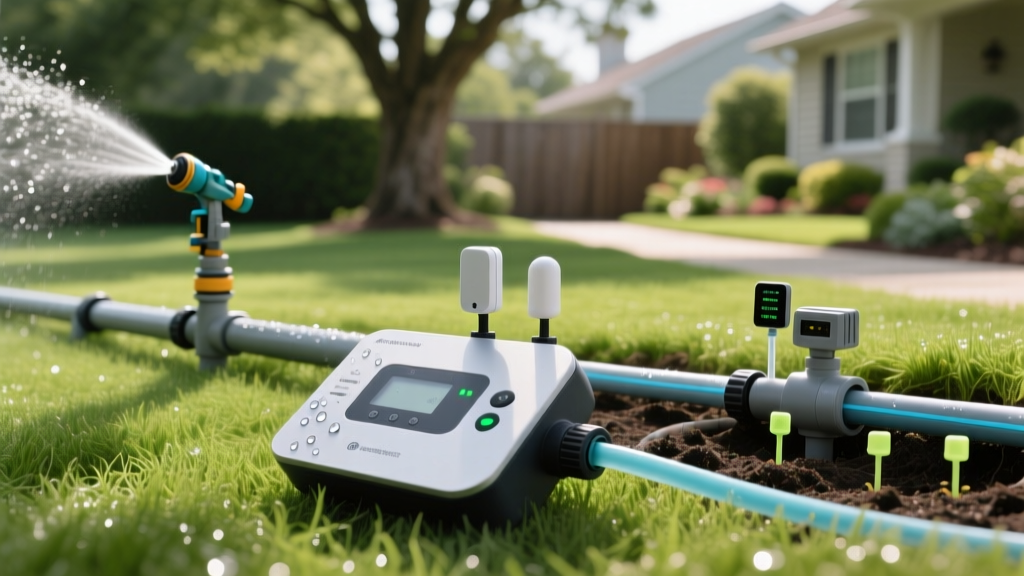
Smart Irrigation vs Traditional Sprinklers: Cost Guide
The average smart sprinkler system cost ranges from $250 to $600 for a standard residential setup in 2026. This total includes a Wi-Fi-enabled smart controller ($150 to $300) and professional installation labor ($100 to $300). Homeowners upgrading from traditional timers typically see a return on investment within 14 to 24 months through reduced municipal water bills. This guide is designed for homeowners and property managers evaluating the financial feasibility of upgrading from legacy irrigation timers to weather-based smart controllers.
Key Takeaways
- Average total cost: $250 to $600 for a 4-to-8 zone residential property.
- Controller hardware: $150 to $300 depending on zone count and brand.
- Water savings: 20% to 30% annually, according to the Environmental Protection Agency.
- Payback period: 14 to 24 months based on local utility rates.
Breakdown of Smart Sprinkler System Costs
Upgrading to a smart irrigation network involves three primary expense categories: the central controller, peripheral sensors, and professional labor. Understanding these line items prevents budget overruns during the installation phase.
Smart Controller Prices
The central hub dictates the baseline hardware expense. A standard 8-zone Wi-Fi controller from a premium brand like the Rachio 3 Smart Sprinkler Controller retails between $180 and $230. Models supporting 16 zones or advanced flow metering, such as the Hunter Industries Hydrawise Pro-HC, cost between $280 and $350.
Professional Installation Labor
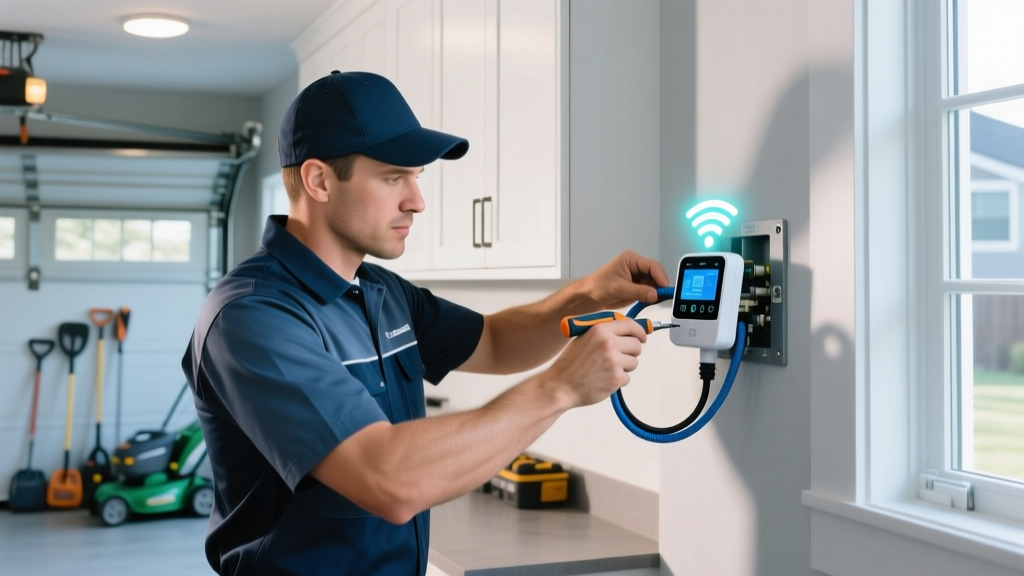
Hiring a licensed irrigation contractor ensures proper wiring and Wi-Fi configuration. Labor rates for smart controller installation average $75 to $125 per hour in 2026. Most straightforward replacements require 1.5 to 2 hours of labor, adding $112 to $250 to your final invoice.
Additional Sensors and Accessories
While weather-based controllers use local internet data, adding physical sensors improves precision. A wireless soil moisture sensor costs $40 to $80. A dedicated rain and freeze sensor adds another $30 to $50, ensuring the system halts operation during sudden temperature drops.
Smart Irrigation System ROI and Water Savings
The financial justification for a smart system relies heavily on local municipal water rates. Properties in drought-prone regions with tiered water pricing experience the fastest payback periods.
The Environmental Protection Agency (EPA) estimates that WaterSense-labeled smart irrigation controllers save the average home nearly 7,600 gallons of water annually. At a national average water cost of $2.00 per 1,000 gallons, this translates to roughly $15.20 in direct savings per year per zone.
For a standard 6-zone property, annual savings reach $91.20. When combined with local utility rebates—which frequently cover 50% to 100% of the hardware cost for WaterSense-certified devices—the effective payback period shrinks to under 12 months.
Top Smart Sprinkler Controllers Comparison
Selecting the right hardware requires balancing zone capacity, smart features, and upfront pricing. The following matrix compares the leading residential controllers available in 2026.
| Controller Model | Zone Capacity | Estimated Cost | Key Feature |
|---|---|---|---|
| Rachio 3 Smart Sprinkler Controller | 8 or 16 Zones | $180 - $280 | Hyper-local weather intelligence and EPA WaterSense certification. |
| Hunter Industries Hydrawise Pro-HC | 6 to 16 Zones | $250 - $350 | Advanced flow metering integration and professional-grade wiring terminals. |
| Orbit B-hyve Smart Indoor/Outdoor | 4 to 8 Zones | $90 - $130 | Budget-friendly entry point with basic app scheduling and weather delays. |
Key Terminology in Smart Irrigation
Evapotranspiration (ET) Controller
An Evapotranspiration (ET) Controller is a smart irrigation device that calculates daily watering schedules based on local weather data, specifically measuring the rate at which water evaporates from soil and transpires from plant leaves to adjust runtimes automatically.
Soil Moisture Sensor
A Soil Moisture Sensor is a peripheral hardware device buried in the root zone of a landscape that measures the actual volumetric water content in the dirt, overriding scheduled irrigation cycles when the ground already retains adequate hydration levels.
Frequently Asked Questions
How much does it cost to replace a sprinkler timer with a smart controller?
Replacing a legacy timer with a smart controller costs between $250 and $550 total. This includes the $150 to $300 hardware purchase and $100 to $250 for professional electrical wiring and network setup.
Is a smart irrigation system worth the investment?
Yes, for most properties. The 20% to 30% reduction in outdoor water usage lowers utility bills and prevents landscape overwatering. The hardware typically pays for itself within two irrigation seasons through these utility savings and local rebate programs.
What is the cheapest smart sprinkler controller?
Entry-level Wi-Fi controllers, such as the Orbit B-hyve 4-Zone Indoor/Outdoor model, retail for approximately $90 to $110. These budget options provide basic app-based scheduling and weather delays but lack the advanced flow metering and soil sensor integrations of premium models.
Next Steps for Your Irrigation Upgrade
The smart sprinkler system cost is highly dependent on your property's zone count and local labor rates, but the long-term water savings consistently offset the initial investment. To proceed, map your current irrigation zones and check your local municipal water provider's website for active WaterSense hardware rebates before purchasing a controller.

