Home & Garden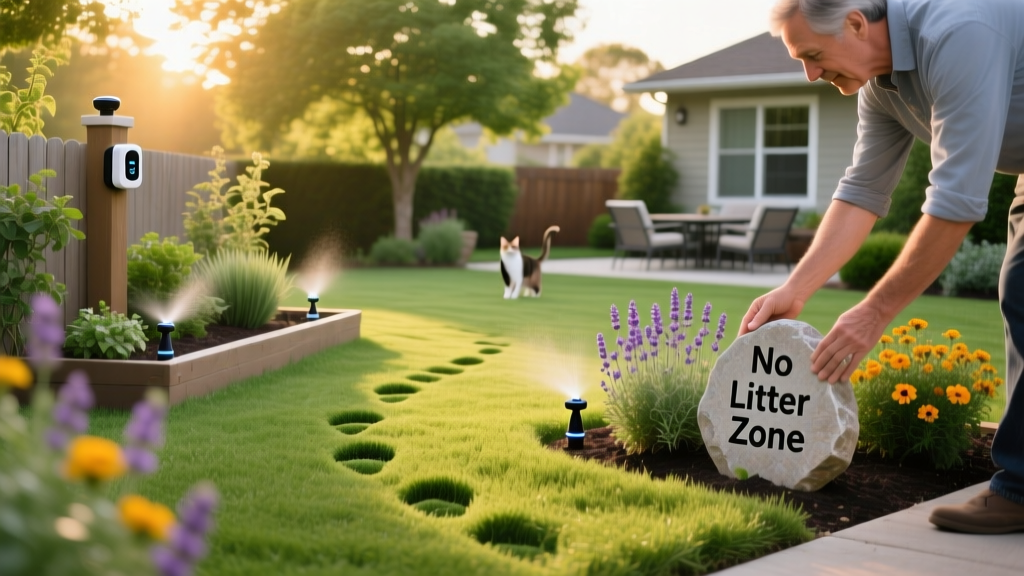
How to Stop Cats From Defecating in Your Yard: A Proven Playbook
The Feline Intrusion: Why Cat Feces Ruin Lawns and Threaten Health
Finding your meticulously maintained garden or lawn used as a neighborhood litter box is more than a nuisance; it is a biological hazard and a landscaping liability. Feline urine contains high concentrations of urea and salts that burn grass roots, creating dead, yellow patches that mimic drought stress. More critically, cat feces can harbor Toxoplasma gondii, a parasite that poses severe health risks to pregnant women and immunocompromised individuals. According to the Centers for Disease Control and Prevention (CDC), soil contaminated with infected feline feces can remain infectious for months, making prompt removal and deterrence essential.
Treating feline intrusion requires a systematic approach. Cats are creatures of habit, highly sensitive to texture, scent, and sudden environmental changes. This playbook outlines a phased, multi-layered defense strategy to reclaim your outdoor space without harming the animals.
Phase 1: Tactical Environmental Modification
Cats seek out soft, loose, and dry soil to dig and bury their waste. Your first line of defense is to alter the physical texture of your garden beds and lawn edges to make digging physically uncomfortable.
The Chicken Wire Sub-Surface Method
Before laying down mulch or planting new ground cover, install a physical barrier. Purchase 1-inch hexagonal galvanized chicken wire. Lay it flat over the soil surface and secure it with landscape staples every 2 feet. Cover the wire with 2 to 3 inches of mulch or topsoil. Plants will grow easily through the 1-inch gaps, but a cat's paws will hit the wire when they attempt to dig, triggering an immediate aversion response. This method costs roughly $15 to $25 per 25-foot roll and provides a permanent, invisible solution.
Botanical Deterrents
Integrate plants that naturally repel felines through their olfactory profiles. Plectranthus caninus, commonly marketed as the 'Scaredy Cat' plant, emits a strong, skunk-like odor when brushed against that cats find highly offensive. Alternatively, plant dense, thorny barriers like Rosa rugosa or barberry around the perimeter of vulnerable flower beds. The Humane Society also recommends scattering rough-textured materials like pine cones or sweetgum balls in garden beds to create an uncomfortable walking surface.
Phase 2: Sensory Deterrents and Technology
When physical barriers are impractical—such as across large open lawn areas or paved patios—sensory deterrents exploit a cat's acute hearing and smell. However, not all commercial repellents are effective. Avoid generic 'predator urine' granules, which wash away after a single rainstorm and lose efficacy within days.
Ultrasonic Repellent Deployment
Ultrasonic devices emit high-frequency sound waves (typically between 15 kHz and 25 kHz) that are inaudible to most adult humans but highly irritating to felines. The Aspectek Predator Guard (priced around $35–$45) is a reliable, solar-powered model with a passive infrared (PIR) motion sensor. For optimal coverage, mount the device 24 to 30 inches off the ground—the exact height of a cat's head when walking. Be aware that ultrasonic waves do not penetrate solid objects; you must ensure a clear line of sight between the sensor and the target zone.
Deterrent Comparison Matrix
| Deterrent Type | Best Model / Method | Avg. Cost | Effectiveness Rating | Maintenance Required |
|---|---|---|---|---|
| Motion-Activated Sprinkler | Orbit Yard Enforcer (6206) | $85 - $95 | 9.5 / 10 | Low (Winterize in freezing climates) |
| Ultrasonic Repellent | Aspectek Predator Guard | $35 - $45 | 7.0 / 10 | Medium (Clean solar panel/sensor) |
| Sub-Surface Wire Mesh | 1-inch Galvanized Poultry Wire | $15 - $25 / roll | 9.0 / 10 | None (Permanent installation) |
| Scent Repellents | Liquid Fence Dog & Cat Repellent | $15 - $20 | 5.5 / 10 | High (Reapply weekly and after rain) |
Phase 3: Motion-Activated Hydro-Deterrence
If cats have established a deeply ingrained habit of using your yard, or if ultrasonic devices fail to deter particularly stubborn strays, water is the ultimate behavioral reset. Cats despise being sprayed, and the sudden combination of motion, sound, and water creates a powerful negative association.
The industry standard is the Orbit Yard Enforcer (Model 6206). Retailing for approximately $85, this device features a PIR sensor with a 70-degree detection arc and a 35-foot range. It requires a standard garden hose connection and operates on four AA batteries. Setup Specifications for Maximum Efficacy:
- Height: Mount the sensor exactly 24 inches above the soil line. Higher placements will detect the cat's back or tail too late; lower placements may miss the animal entirely.
- Sensitivity: Set the dial to 'Day and Night' mode initially. Once the cats stop visiting, switch to 'Night Only' to conserve battery and water.
- Placement: Position the sprinkler so it fires across the entry point (like a side gate or fence gap) rather than directly at the flower bed. You want to intercept the cat before it reaches the target soil.
Troubleshooting Edge Cases: When Cats Adapt
Felines are intelligent and adaptable. If your initial deterrents fail, evaluate the following edge cases:
- The Fence Acrobat: If cats are leaping over a 6-foot wooden fence, install a 2-foot section of angled PVC piping or specialized fence rollers (like the Coyote Roller) along the top. Cats cannot get the leverage required to pull themselves over a spinning surface.
- The Tunneling Stray: If you find digging beneath your fence line, bury an L-footer made of hardware cloth. Dig a 12-inch trench, place the wire, and bend it outward into the neighbor's yard in an 'L' shape. Backfill with dirt. Cats will not dig backward when they hit the mesh.
- Scent Marking vs. Defecation: If a cat is spraying (backing up to vertical surfaces and releasing a fine mist of urine) rather than defecating in the soil, this is territorial marking, often triggered by the presence of other cats. Clean the sprayed area with an enzymatic cleaner (like Nature's Miracle) to destroy the pheromones before applying deterrents.
⚠️ Health & Safety Warning: Proper Feces Cleanup Protocol
Never add cat feces to your home compost bin. The Toxoplasma gondii parasite can survive standard composting temperatures and contaminate your vegetable garden. When removing waste, wear nitrile gloves and use a dedicated scooper. If feces have been left on a hard surface (like a patio), remove the solid matter, then sanitize the area with a 10% bleach solution, letting it sit for 10 minutes before rinsing. For soil removal, scoop the feces along with a 2-inch layer of the underlying soil, seal it in a plastic bag, and dispose of it in the municipal trash.
Frequently Asked Questions
Will coffee grounds or citrus peels keep cats out of my garden?
While often recommended in DIY forums, coffee grounds and citrus peels are largely ineffective for long-term deterrence. Cats may briefly avoid freshly scattered citrus, but the scent dissipates within 48 hours outdoors. Furthermore, coffee grounds can alter your soil pH and, if ingested by a digging dog or cat, can cause caffeine toxicity. Stick to physical barriers and motion-activated sprinklers for reliable results.
Is it legal to use trap-and-relocate methods for neighborhood cats?
In most municipalities, trap-and-relocate is illegal for domestic or feral cats without specific animal control permits. Relocating feral cats often results in the animal's death due to territorial disputes in the new environment, and it creates a 'vacuum effect' where new cats simply move into the cleared territory. Focus on exclusion and humane deterrence instead.
My own cat is using the garden. How do I train them to use a specific spot?
Create a designated outdoor litter area in a secluded corner of your yard. Dig a shallow pit (about 6 inches deep) and fill it with fine, loose play sand. To encourage use, transfer a small amount of their existing waste into the sand pit. Keep the rest of the yard heavily mulched or covered in chicken wire so the sand pit becomes the only comfortable digging option available.