
Home & Garden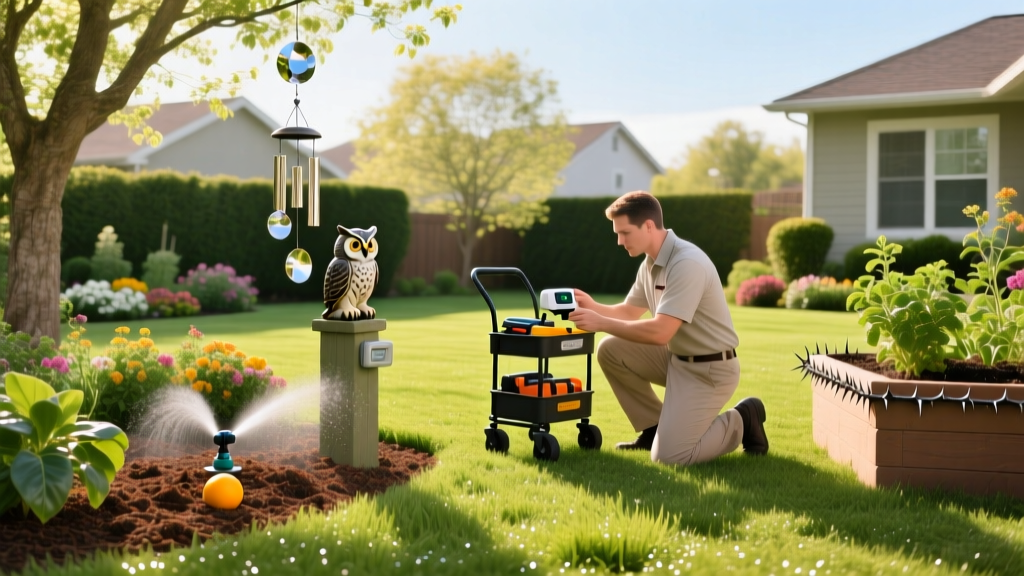
How to Keep Cats Out of Your Yard: 7 Proven Deterrents That Work
Diagnosing the Feline Intrusion: Why Are They in Your Yard?
When neighborhood cats treat your carefully maintained garden beds as a giant litter box, the damage goes beyond uprooted seedlings. Feline feces can carry Toxoplasma gondii, a parasite that poses severe health risks to pregnant women and immunocompromised individuals. To effectively solve the problem, you must first diagnose the specific type of intrusion occurring in your landscape. Cats generally invade yards for three distinct reasons: digging for a latrine, marking territory, or seeking a warm, soft place to lounge.
| Symptom Observed | Probable Feline Motivation | Primary Diagnostic Fix |
|---|---|---|
| Shallow, 2-inch divots in loose mulch or topsoil | Digging for a latrine (cats prefer loose, dry soil) | Sub-surface chicken wire + heavy watering |
| Strong ammonia odor; sprayed bushes, fences, or hardscapes | Tomcat territorial marking | Enzymatic pheromone neutralizer + motion sprinkler |
| Trampled seedlings; flattened patches of ornamental grass | Lounging and sunbathing | Prickly mulch + botanical deterrents |
According to guidelines from the Humane Society of the United States, the most effective strategy relies on making the environment physically uncomfortable or startling, rather than relying solely on scent-based repellents which quickly degrade outdoors.
Physical Barriers: Engineering an Unwalkable Surface
Cats are digitigrade animals with highly sensitive paw pads. They despise walking on prickly, uneven, or wire-mesh surfaces. The most foolproof method to protect garden beds from digging is sub-surface barrier installation.
The 20-Gauge Chicken Wire Method
Purchase 20-gauge galvanized chicken wire with a 1-inch hexagonal mesh. Lay the wire flat over the soil surface of your garden beds, cutting holes with tin snips to accommodate existing plant stems. Pin the wire down using 6-inch galvanized U-stakes driven into the soil every 12 inches. Finally, cover the wire with 1 to 2 inches of organic mulch. Plant roots and stems will easily grow through the 1-inch gaps, but a cat's claws will catch on the wire mesh, preventing them from digging into the soil. This barrier lasts for years and is virtually invisible once mulched over.
Prickly Mulch Alternatives
If wire installation is not feasible, surface textures can deter lounging and light scratching. Sweetgum balls, holly leaves, and crushed pine cones create an uncomfortable walking surface. Avoid using cocoa bean mulch; while it deters some animals, it contains theobromine and can be highly toxic to dogs that share the yard.
Active Deterrents: Tech and Water Solutions
When physical barriers are insufficient for large lawn areas, active deterrents provide an automated defense system. These devices leverage a cat's natural startle response to create negative associations with your property.
Motion-Activated Sprinklers (The Heavy Artillery)
The undisputed champion of yard defense is the motion-activated sprinkler. The Orbit Yard Enforcer (Model 62100) remains the industry standard in 2026, retailing between $75 and $85. It connects to a standard 3/4-inch garden hose and operates on 4 AA batteries, delivering up to 7,500 activation cycles.
- Detection Range: Up to 40 feet with a 35-degree infrared arc.
- Crucial Setup Tip: Utilize the 'Day Only' or 'Night Only' modes. Leaving it on 24/7 will drain the batteries rapidly and inevitably soak your mail carrier or landscaping crew.
- Placement: Mount the sensor at a height of 18 to 24 inches to align directly with a cat's body heat signature, avoiding false triggers from wind-blown branches.
Ultrasonic Repellents: Frequency and Limitations
Ultrasonic devices emit high-frequency sound waves (typically between 20 kHz and 25 kHz) that are inaudible to most humans but irritating to felines. However, they have strict physical limitations. Sound waves at these frequencies do not penetrate solid objects; they bounce off fences, thick shrubs, and exterior walls. For an ultrasonic deterrent to work, it requires a direct, unobstructed line of sight to the target area. Furthermore, habituation is a real risk. If a cat realizes the sound is not accompanied by a physical threat, they will eventually ignore it. Always pair ultrasonics with a physical barrier or motion sprinkler for long-term efficacy.
Chemical and Scent Deterrents: Separating Fact from Fiction
The internet is rife with DIY scent deterrent myths. Citrus peels, coffee grounds, and vinegar are frequently recommended, but they are highly ineffective in an outdoor setting. Citrus peels rot and attract fruit flies, while rain washes away vinegar and coffee oils within hours.
⚠️ WARNING: The Mothball Myth
Never use mothballs (naphthalene or paradichlorobenzene) outdoors to repel cats. Using mothballs outside is a violation of federal pesticide regulations and is incredibly dangerous. Naphthalene is highly toxic to cats, dogs, wildlife, and children, and it leaches into the soil and groundwater. For comprehensive toxicity data, consult the ASPCA Animal Poison Control Center.
Commercial Granular Repellents That Work
If you must use a scent deterrent, opt for commercial granular formulations based on putrescent egg solids or capsaicin (the active component in chili peppers). Products like Liquid Fence or Nature's Mace utilize these ingredients to trigger a predator-avoidance instinct or a mild olfactory irritation. Apply the granules heavily around the perimeter of the yard and the edges of garden beds. Reapplication is mandatory every 3 weeks, or immediately after 1 inch of rainfall, as the active compounds degrade rapidly under UV exposure and moisture.
Botanical Deterrents and Soil Management
Modifying your plant palette and soil conditions can make your yard inherently unappealing to feline visitors.
The Scaredy Cat Plant
Coleus caninus (often sold as the Scaredy Cat plant) exudes a pungent odor resembling skunk or eucalyptus when its leaves are brushed against. While it won't stop a determined stray from crossing the lawn, planting it densely around the borders of vulnerable vegetable patches creates a localized olfactory shield that cats prefer to bypass.
Moisture Management
Cats instinctively seek out dry, dusty, loose soil for their latrines because it is easy to dig and absorbs waste efficiently. By altering your irrigation schedule, you can ruin the appeal of your garden beds. Water your flower beds and lawn deeply in the early evening. The surface soil will remain damp and tacky through the night and early morning—the peak hours for feline roaming. Cats detest the sensation of wet mud on their paws and will seek out drier ground elsewhere.
7-Day Implementation Plan for Severe Infestations
If your yard has become a chronic neighborhood gathering spot, a single deterrent will not break the established habit. Use this structured 7-day protocol to reclaim your landscape.
- Day 1: The Pheromone Cleanse. Identify all marking spots. Wash hardscapes, fences, and shrub bases with a commercial enzymatic cleaner (like Nature's Miracle Outdoor) to break down the uric acid crystals and eliminate territorial pheromones.
- Day 2: Soil Compaction. Rake out loose, fluffy mulch. Tamp down the topsoil in garden beds to make it denser, then apply a 1-inch layer of wet topsoil or heavily water the existing beds.
- Day 3: Sub-Surface Armoring. Install the 20-gauge chicken wire mesh in all high-traffic digging zones, securing it with U-stakes and covering it with a thin layer of heavy bark mulch.
- Day 4: Perimeter Scent Defense. Apply capsaicin or putrescent egg-based granular repellent along the property line and the outer edges of the garden beds.
- Day 5: Deploy Active Deterrents. Set up the Orbit Yard Enforcer motion sprinkler. Aim the infrared sensor at the primary entry point (e.g., the gap in the fence or the driveway edge). Set the dial to 'Night Only' for the first 48 hours.
- Day 6: Botanical Reinforcement. Plant Coleus caninus or lay down sweetgum balls in the specific corners where cats have historically lounged.
- Day 7: Monitor and Adjust. Check the sprinkler's trigger log (or observe the wet grass). If the sensor is triggering on wind-blown debris, narrow the 35-degree arc using the built-in dials or lower the sensitivity. Reapply granular repellent if heavy rain occurred.
By layering physical discomfort, active startle mechanisms, and olfactory boundaries, you create a multi-sensory environment that signals to neighborhood cats that your yard is unsafe and uncomfortable. Consistency during the first two weeks is critical; once the cats establish a new roaming route that bypasses your property, the deterrents can be scaled back to maintenance levels.