
Home & Garden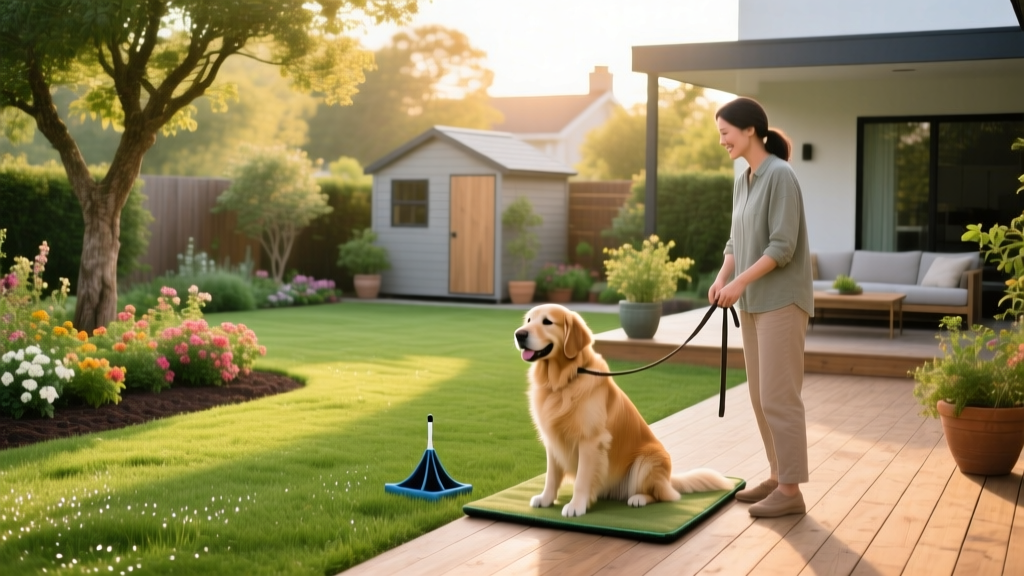
How to Stop a Dog From Pooping in the House: The Eradication Playbook
The Biology of Relapse: Why Dogs Return to the Scene
Treating indoor dog waste like a simple behavioral flaw ignores the biological reality of canine olfaction. When a dog soils indoors, they leave behind microscopic uric acid crystals and fecal pheromones. Standard household cleaners, including bleach and ammonia-based solutions, only mask these compounds from human noses. To a dog's 300 million olfactory receptors, the area remains a clearly marked bathroom. If you want to know how to stop a dog from pooping in the house permanently, you must approach the problem like an environmental eradication playbook: neutralize the indoor biological markers, engineer an irresistible outdoor containment zone, and synchronize their digestive clock.
⚠️ Medical Red Flag Warning: Before initiating behavioral reprogramming, rule out gastrointestinal parasites, inflammatory bowel disease (IBD), or food allergies. If your dog's indoor accidents are accompanied by loose stools, mucus, or straining, no amount of training will solve the issue. Consult a veterinarian for a fecal float test and a targeted elimination diet.
Phase 1: Eradicating the Scent Spores (Indoor Neutralization)
The first step in our playbook is total environmental decontamination. You must break down the uric acid and organic proteins at a molecular level. This requires a bacteria-based enzymatic cleaner, specifically those utilizing Bacillus subtilis and Bacillus licheniformis strains. These bacteria produce enzymes that literally consume the organic waste matter, converting it into carbon dioxide and water.
The 5-Step Enzymatic Extraction Protocol
- Extract Surface Moisture: Use a wet/dry vacuum or heavy-duty paper towels to pull up as much physical waste as possible. Do not rub, as this pushes proteins deeper into carpet fibers or wood grain.
- Saturate the Zone: Apply a high-concentration enzymatic cleaner (e.g., Nature's Miracle Advanced or Rocco & Roxie Professional Strength, typically $18–$25 per 32oz bottle). You must use enough liquid to penetrate the carpet pad or subfloor. A standard accident requires at least 16oz of solution.
- Agitate and Penetrate: Use a soft-bristled brush to work the solution into the fibers. For hardwood floors, ensure the liquid seeps into the microscopic seams between planks.
- The Plastic Tent Method: This is the most critical, often-missed step. Enzymes require time and moisture to work. Cover the treated area with a plastic trash bag or plastic wrap, taping down the edges. This prevents evaporation and forces the bacteria to work for 12 to 24 hours.
- Final Extraction: Remove the plastic, extract the remaining moisture with a wet/dry vac, and allow the area to air dry completely. Use a blacklight (UV flashlight) in a dark room to verify that all biological markers have been eradicated.
Phase 2: Engineering the Outdoor Containment Zone
To successfully transition a dog outdoors, the yard must offer a substrate that is highly attractive for elimination. Dogs prefer surfaces that drain well, do not splash back, and feel stable under their paws. By creating a dedicated outdoor potty zone, you leverage their natural instinct to keep their primary living and sleeping areas clean.
Substrate Comparison Matrix
| Substrate Type | Cost (Approx. 2026) | Drainage & Maintenance | Canine Preference Level |
|---|---|---|---|
| 3/8-Inch Pea Gravel | $45–$65 per ton | Excellent drainage. Requires weekly hosing and annual raking to redistribute stones. | High. Smooth edges do not hurt paw pads; allows urine to pass through instantly. |
| K9 Artificial Turf | $45–$70 per 15x20ft roll | Requires a crushed limestone base. Must be sprayed with enzyme deodorizer weekly. | Medium-High. Mimics grass but stays dry. Best for dogs that refuse gravel. |
| Cedar Mulch | $30–$40 per cubic yard | Poor drainage. Traps moisture and odor. Must be replaced every 4–6 months. | Low. Sticks to paws and fur; strong cedar oils can deter some dogs from entering. |
Pro-Tip for Zone Construction: Excavate the designated area to a depth of 4 inches. Lay down a heavy-duty permeable geotextile weed barrier, add a 2-inch base of crushed limestone for drainage, and top with 2 inches of your chosen substrate. Border the area with 4x4 cedar timbers to create a distinct visual and physical boundary.
Phase 3: Digestive Timing and Behavioral Scheduling
According to the American Kennel Club, consistency in feeding and walking schedules is the cornerstone of house training. You cannot manage output if you do not strictly manage input. Free-feeding (leaving a bowl of kibble out all day) creates unpredictable digestive transit times, making accidents inevitable.
The Gastrocolic Reflex Schedule
Dogs experience a gastrocolic reflex—the physiological urge to defecate triggered by the stomach expanding after a meal. For most adult dogs, the transit time from eating to elimination is between 6 to 8 hours. Puppies have a much faster transit time, often needing to go within 15 to 30 minutes of eating.
- Step 1: Feed your dog exactly two measured meals per day (e.g., 7:00 AM and 5:00 PM). Remove the bowl after 15 minutes, regardless of whether they finished.
- Step 2: Leash the dog and walk them directly to your engineered outdoor containment zone 20 minutes after every meal.
- Step 3: Use a specific verbal cue (e.g., "Go potty") while they are in the act. Do not say it before they start, or they will associate the word with standing still.
- Step 4: Reward immediately with a high-value treat (like freeze-dried liver) the second they finish, before they take a step away from the spot.
Expert Insight: The Humane Society of the United States emphasizes that punishing a dog for an indoor accident after the fact is entirely counterproductive. Dogs do not possess the cognitive ability to connect a past action with present punishment. If you catch them in the act, clap loudly to interrupt the behavior, immediately carry or leash them outside to finish, and reward them heavily.
Troubleshooting Matrix: When the Playbook Fails
If you have executed the neutralization, zoning, and scheduling phases but accidents persist, use this diagnostic matrix to identify the underlying failure point.
| Symptom Pattern | Root Cause Analysis | Targeted Eradication Tactic |
|---|---|---|
| Pooping in the exact same indoor spot repeatedly. | Incomplete enzymatic neutralization; residual pheromones remain in the subfloor. | Rent a commercial carpet extractor. Inject enzymatic cleaner directly into the subfloor using a syringe. Block physical access to the room for 7 days. |
| Accidents only occur when the owner is away (3+ hours). | Separation anxiety or isolation distress, causing gastrointestinal upset and loss of bowel control. | Implement desensitization training for departures. Consult a veterinary behaviorist for potential SSRI medication or use a calibrated indoor dog litter box as a temporary fail-safe. |
| Pooping indoors immediately after coming back inside from a long walk. | Overstimulation outdoors; the dog is too distracted by scents/squirrels to focus on eliminating. | Take the dog to the outdoor containment zone before the walk. Do not allow the walk to begin until they have eliminated. The walk becomes the reward for using the yard. |
| Small, hard stools indoors, accompanied by straining. | Dietary fiber deficiency or mild dehydration causing constipation; dog loses control when a small piece finally breaks free. | Add 1 tablespoon of plain, unsweetened canned pumpkin puree per 10 lbs of body weight to their meals. Ensure constant access to fresh, filtered water. |
Maintaining the Perimeter
Stopping a dog from pooping in the house is not a one-time fix; it is an ongoing management system. By maintaining your outdoor containment zone, strictly adhering to the gastrocolic feeding schedule, and immediately neutralizing any accidental indoor breaches with the plastic-tent enzymatic protocol, you rewrite the dog's environmental map. The house becomes a clean den, and the yard becomes the designated biological outlet. Stick to the playbook, track their digestive transit times, and adjust the outdoor zone as the seasons change to ensure year-round compliance.

