
Home & Garden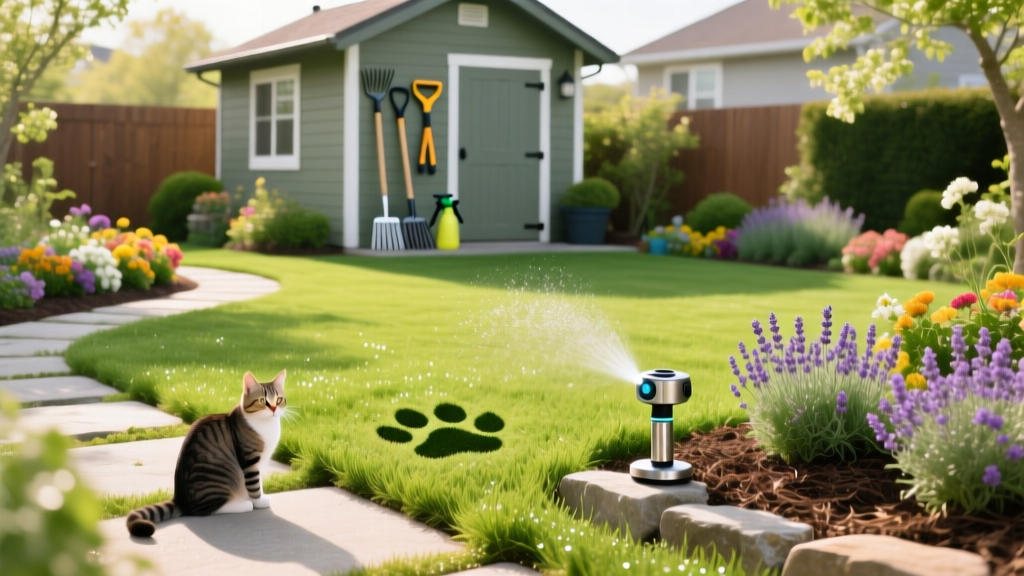
How Do You Prevent Cats From Pooping in Your Yard? 9 Expert Fixes
Finding feline feces in your meticulously maintained garden beds or children's play areas is more than just a nuisance; it is a documented biohazard. If you are asking, 'how do you prevent cats from pooping in your yard,' the answer requires moving beyond ineffective internet myths and deploying a layered defense strategy. Cats are territorial creatures driven by instinct to dig in loose, dry soil. To reclaim your outdoor space, you must alter the physical, olfactory, and environmental triggers that make your yard an attractive litter box.
⚠️ Public Health Warning: Toxoplasmosis Risk
Cat feces can harbor Toxoplasma gondii, a parasite that causes toxoplasmosis. According to the Centers for Disease Control and Prevention (CDC), humans can contract this parasite by accidentally ingesting contaminated soil. Always wear heavy-duty nitrile gloves when removing existing feces, and double-bag the waste. Never compost cat feces, as standard home compost piles do not reach the 165°F internal temperature required to kill the oocysts.
Cat feces can harbor Toxoplasma gondii, a parasite that causes toxoplasmosis. According to the Centers for Disease Control and Prevention (CDC), humans can contract this parasite by accidentally ingesting contaminated soil. Always wear heavy-duty nitrile gloves when removing existing feces, and double-bag the waste. Never compost cat feces, as standard home compost piles do not reach the 165°F internal temperature required to kill the oocysts.
The 'Layered Defense' Framework
Relying on a single deterrent almost always fails due to feline habituation. A neighborhood cat will quickly realize that a static ultrasonic device poses no real threat, or that a citrus peel scent fades after a rainstorm. Professional pest management relies on a layered approach combining physical exclusion, active disruption, and environmental modification. Below is the 2026 playbook for making your yard inhospitable to roaming felines.
1. Physical Barriers and Texture Deterrents
Cats despise unstable footing and prickly textures on their paw pads. Modifying the soil surface is the most reliable long-term solution.
Sub-Surface Chicken Wire
Before laying down mulch or topsoil in a new garden bed, lay a sheet of 1/2-inch galvanized steel chicken wire. Cut the wire to fit the bed, and anchor it with 6-inch landscape staples. Cover it with 2 to 3 inches of mulch. Plant roots will grow through the gaps, but a cat's claws cannot penetrate the wire to dig a depression. This method costs roughly $0.50 per square foot and requires zero ongoing maintenance.
Commercial Scat Mats
For existing beds where digging wire is impractical, use plastic scat mats. The Aspectek Scat Mat (typically $20–$30 for a pack of six) features blunt, 1-inch plastic spikes. Lay these directly on top of the soil and lightly cover them with a dusting of bark dust so they blend in. The spikes are uncomfortable but will not injure the animal, effectively training them to avoid the area after one or two visits.
2. Motion-Activated Tech and Water Deterrents
When physical barriers cannot cover large expanses of open lawn, active disruption is required. Water is the ultimate feline kryptonite, and modern motion sensors have eliminated the need for constant manual surveillance.
The Orbit Yard Enforcer
The Orbit 62100 Yard Enforcer Motion-Activated Sprinkler ($75–$90) remains the industry gold standard for 2026. It utilizes a passive infrared (PIR) sensor that detects the heat signature of an animal up to 70 feet away within a 70-degree arc. Upon detection, it fires a rapid, noisy burst of water.
Pro-Tip for Placement: Do not point the sensor directly at the sun or heat-reflecting surfaces, which will cause false triggers and drain the 4 AA batteries. Position the unit at a slight downward angle, and move it every 48 hours to prevent cats from learning its blind spots.
3. Olfactory Repellents: What Works vs. What is a Myth
The internet is flooded with home remedies for cat deterrence, but many are either ineffective or actively dangerous. Below is a data-driven breakdown of scent-based deterrents.
| Deterrent Type | Cost Estimate | Effectiveness | Failure Mode & Risks |
|---|---|---|---|
| Commercial Repellents (e.g., Nature's Mace) | $35 / 32oz | High (8/10) | Requires reapplication after heavy rain. Contains putrescent egg solids that smell foul to humans for the first 24 hours. |
| Citrus Peels (Lemon/Orange) | Free / Low | Low (3/10) | Scent dissipates within 48 hours. Peels attract rodents and fruit flies as they decompose. |
| Coffee Grounds | Free | Very Low (1/10) | Myth. Cats will walk right over them. Ingesting moldy grounds can cause mycotoxin poisoning in local wildlife. |
| Essential Oils (Tea Tree, Eucalyptus, Peppermint) | $15 - $30 | N/A | DANGEROUS. Highly toxic to felines. Causes fatal liver failure if ingested during grooming. Never use. |
💡 Expert Insight on Essential Oils:
The ASPCA Animal Poison Control Center explicitly warns against using concentrated essential oils around pets. Because cats lack the liver enzyme glucuronyl transferase, they cannot metabolize compounds found in peppermint, pine, and citrus oils. Always opt for commercially formulated, pet-safe repellents like Liquid Fence or Nature's Mace that use diluted, safe plant extracts.
The ASPCA Animal Poison Control Center explicitly warns against using concentrated essential oils around pets. Because cats lack the liver enzyme glucuronyl transferase, they cannot metabolize compounds found in peppermint, pine, and citrus oils. Always opt for commercially formulated, pet-safe repellents like Liquid Fence or Nature's Mace that use diluted, safe plant extracts.
4. Botanical Deterrents and the 'Decoy' Strategy
If you prefer a natural, plant-based approach to yard management, you can leverage feline olfactory aversions and behavioral redirection.
Planting Feline-Repellent Flora
Integrate Coleus canina (often marketed as the 'Scaredy Cat' plant) around the perimeter of your garden beds. This plant emits a pungent odor reminiscent of skunk spray when brushed against, which is highly offensive to cats but barely noticeable to humans unless disturbed. Additionally, planting dense, woody herbs like Lavender, Rosemary, and Thyme removes the loose, bare soil that cats seek out for digging.
The Decoy Litter Box Strategy
If a specific neighborhood cat is highly persistent, fighting its territorial instinct is an uphill battle. Instead, redirect it. Identify the farthest, least-used corner of your property. Till a small 3x3 foot patch of soil and mix in fine, dry play sand. Sprinkle a small amount of catnip in this designated zone. The cat will naturally gravitate toward the softer, more attractive sand pit, leaving your primary garden beds alone. You can then easily scoop this single, contained area once a week.
5. Environmental Modification: Removing the Draw
Cats do not just use your yard as a bathroom; they use it as a hunting ground and a resting spot. Removing secondary attractants is crucial for long-term success.
- Secure Trash and Compost: Use locking, wildlife-proof lids on all outdoor bins. The scent of rotting meat or dairy will draw feral cats looking for a meal.
- Block Under-Deck Access: Seal off crawl spaces, decks, and sheds with 1/4-inch hardware cloth buried 6 inches into the ground and angled outward at an L-shape to prevent digging under the barrier.
- Eliminate Rodent Habitats: If your yard has a high population of mice or voles, cats will visit to hunt. Keep grass mowed to a height of 2.5 inches and remove brush piles to reduce rodent harborage.
Frequently Asked Questions
Is it legal to trap a neighbor's cat that is using my yard?
In most jurisdictions, trapping and relocating a domesticated animal without the owner's consent is considered theft or animal cruelty. According to guidelines from the Humane Society of the United States, the recommended protocol is to document the issue with photos, speak to the neighbor diplomatically, and utilize non-lethal deterrents on your own property. If the cat is feral, contact your local municipal animal control or a Trap-Neuter-Return (TNR) organization.
Do ultrasonic cat repellents actually work?
Ultrasonic devices (which emit high-frequency sounds between 20-25 kHz) show mixed results in independent field tests. While they may startle a naive cat initially, urban felines quickly habituate to the noise once they realize it is not accompanied by a physical threat. If you use an ultrasonic device, it must be paired with a physical deterrent like a motion-activated sprinkler to create a negative association with the sound.
Will mothballs keep cats out of my garden?
Never use mothballs outdoors. Mothballs contain naphthalene or paradichlorobenzene, both of which are highly toxic pesticides. Using them in an open yard is illegal under federal pesticide regulations, as they leach toxic chemicals into the soil and groundwater, and pose a severe poisoning risk to children, dogs, and local wildlife.