
Home & Garden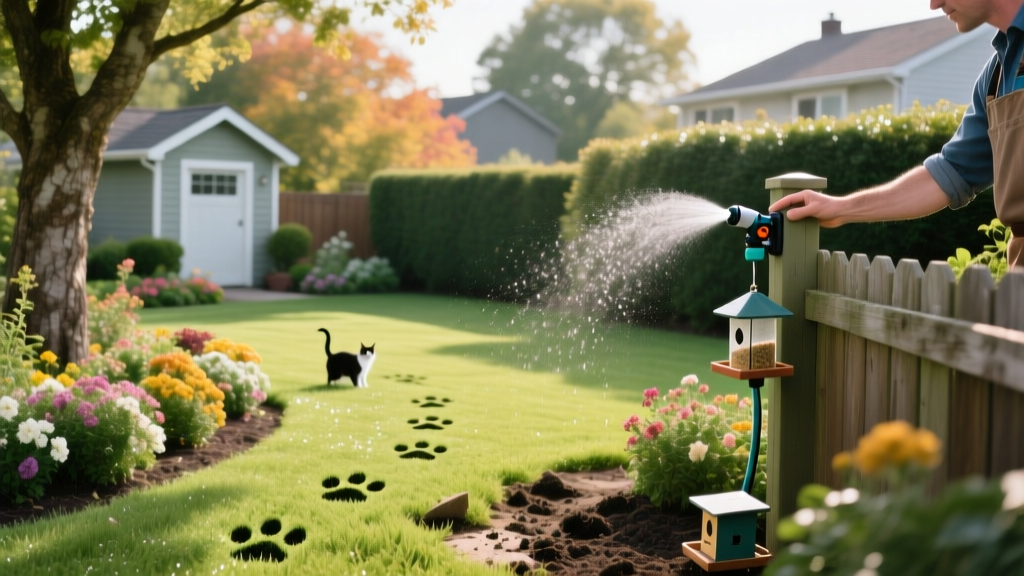
How to Keep a Stray Cat Out of Your Yard: Diagnosis and Fixes
The Hidden Costs of Feline Trespassers
Stray and feral cats view freshly tilled garden beds, loose mulch, and dry soil under decks as premium litter boxes. Beyond the immediate frustration of ruined root systems and uprooted seedlings, cat feces carry Toxoplasma gondii, a parasite posing severe health risks to pregnant women and immunocompromised individuals. According to the Centers for Disease Control and Prevention (CDC), soil contaminated with feline feces can harbor infectious toxoplasmosis oocysts for months. Solving this problem requires moving past generic repellents and adopting a structured diagnostic approach to identify exactly why the cat is targeting your property, followed by deploying layered, site-specific deterrents.
Phase 1: Diagnose the Attractant
Cats are highly territorial and resource-driven. They do not wander into yards randomly; they return because your property fulfills a specific biological need. Before purchasing any deterrent, conduct a 10-minute yard audit to identify the primary draw.
Diagnostic Checklist: Why Are They Here?
- The Elimination Draw: Are there areas of fine mulch, dry dirt, or freshly turned soil? Cats prefer loose, dry substrates that allow them to dig and bury waste easily.
- The Prey Drive: Do you have heavy ground cover, tall ornamental grasses, or accessible bird feeders? These attract rodents and ground-feeding birds, turning your yard into a hunting ground.
- The Shelter Factor: Are there open crawl spaces, gaps under sheds, or dense, low-hanging shrubs (like junipers) that provide dry, wind-blocked sleeping areas?
- The Food Source: Are pet food bowls left outside, or are trash cans lacking locking lids? Even compost piles containing meat or dairy scraps will attract scavengers.
Phase 2: Environmental Modifications (Remove the Draw)
Once you have identified the attractant, alter the physical environment to make it inhospitable. This is the most permanent and cost-effective tier of exclusion.
Soil and Mulch Alterations
If cats are using your garden beds as a litter box, you must change the tactile feedback of the soil. Cats despise the feeling of wire mesh on their claws. Cut 1-inch hexagonal poultry wire (galvanized steel) to fit your garden beds, lay it flat over the soil, and cover it with exactly 1 inch of topsoil or compost. Plant seeds or transplants directly through the wire holes. The wire prevents digging entirely but allows water and roots to pass through. Alternatively, replace fine bark mulch with 2-inch to 3-inch river rock or rough lava rock. The sharp, uneven texture and heavy weight discourage digging.
Shelter and Prey Denial
Seal off crawl spaces and deck perimeters using heavy-duty hardware cloth (19-gauge, 1/2-inch mesh). Bury the bottom edge 4 inches deep and bend it outward at a 90-degree angle to prevent digging underneath. To eliminate the prey drive, switch to weight-activated bird feeders that close when a squirrel or larger animal lands on them, and keep grass mowed to a height of 2.5 to 3 inches to eliminate rodent hiding spots.
Phase 3: Active Deterrent Solutions (The Arsenal)
When environmental modifications are insufficient, active deterrents introduce a negative stimulus (water, sound, or light) that conditions the cat to avoid the area. As of 2026, motion-activated sprinklers remain the gold standard for efficacy, though ultrasonic devices serve well in specific scenarios.
Deterrent Technology Comparison Matrix
| Deterrent Type | Top Model (2026) | Cost Range | Effective Range | Best Use Case & Edge Cases |
|---|---|---|---|---|
| Motion-Activated Sprinkler | Orbit 62100 Yard Enforcer | $65 - $80 | Up to 40 ft (1,200 sq ft) | Highly effective for all cats. Edge case: Requires hose connection; winterize in freezing climates to prevent valve cracking. |
| Ultrasonic Repellent | Aspectek Predator Guard | $35 - $45 | Up to 30 ft (700 sq ft) | Good for dry patio areas. Edge case: Older cats with high-frequency hearing loss or deaf felines will completely ignore this. |
| Chemical/Scent Granules | Nature's Mace Cat Repellent | $20 - $30 | Covers 3,000 sq ft | Perimeter defense. Edge case: Requires reapplication every 3 weeks and immediately after heavy rainfall. |
Deployment Strategy for Motion Sprinklers
If using the Orbit Yard Enforcer, do not point it directly at the fence line where the cat enters. Instead, aim it at the target zone (e.g., the specific garden bed they are digging in). Set the sensor sensitivity to 'Medium' and the water duration to 2 seconds. The sudden noise of the mechanical valve clicking open, combined with the burst of water, triggers a feline startle response without causing physical harm. Move the unit 10 feet every four days to prevent the cat from learning its blind spots.
Phase 4: Botanical and Scent Barriers
While commercial repellents wash away, botanical barriers provide a continuous, low-maintenance olfactory shield. Cats possess roughly 200 million odor sensors (compared to a human's 5 million), making them highly sensitive to specific volatile organic compounds (VOCs).
- Plectranthus caninus (Scaredy Cat Plant): Formerly classified as Coleus canina, this drought-tolerant perennial emits a skunk-like odor when its leaves are brushed. Plant it as a border around vulnerable garden beds at 18-inch intervals.
- Rosemary and Lavender: While pleasant to humans, the high camphor and linalool content in these herbs irritates a cat's olfactory system. Crush the needles slightly during the growing season to release more VOCs.
- Citrus Rinds: For a short-term, zero-cost fix, scatter fresh lemon, orange, or grapefruit peels directly on top of the soil in potted plants or small beds. The d-limonene in the rinds is highly aversive to cats. Replace the peels every 5 days as they dry out and lose potency.
Phase 5: Humane Escalation and TNR Programs
If the cat is a true feral (unsocialized, fearful of humans, active primarily at dusk/dawn) rather than a lost stray, physical deterrents may only shift the problem to your neighbor's yard. The most permanent, ecologically sound solution is participating in a Trap-Neuter-Return (TNR) program.
According to the Humane Society of the United States, TNR stabilizes feral populations by halting reproduction, which naturally reduces the territorial spraying, yowling, and roaming behaviors associated with mating drives. Furthermore, the ASPCA's Feral Cat FAQ notes that neutered cats are less likely to trespass widely in search of mates, keeping them confined to smaller, managed colony areas away from residential gardens.
Warning: Ear-Tipping Identification
Before trapping, observe the cat's left ear. A straight, horizontal slice off the top (an "ear tip") is the universal veterinary marker that the cat has already been trapped, neutered, and vaccinated. If the cat is ear-tipped, it is part of a managed colony. Focus strictly on the physical yard deterrents outlined in Phases 2 and 3 rather than re-trapping the animal.
Frequently Asked Questions
Will mothballs keep stray cats out of my yard?
No. Using mothballs outdoors is illegal in many jurisdictions and highly dangerous. Mothballs contain naphthalene or paradichlorobenzene, which are toxic to cats, dogs, wildlife, and children. Furthermore, they leach into the groundwater and contaminate your soil. Stick to EPA-registered botanical repellents or physical barriers.
Do ultrasonic cat deterrents bother my own dog?
Most ultrasonic deterrents operate between 13.5kHz and 23.5kHz. While cats hear up to 64kHz, dogs hear up to 45kHz. If your dog is young and has acute hearing, the device may cause them mild distress. Look for models with adjustable frequency dials (like the Aspectek Predator Guard) and set them to the lowest effective frequency (around 15kHz) to minimize canine impact while still deterring felines.
How do I clean toxoplasmosis out of my garden soil?
You cannot chemically "cleanse" soil of toxoplasmosis oocysts without destroying the soil biology. The oocysts become infectious 1 to 5 days after being excreted and can survive in moist soil for over a year. The best protocol is to wear heavy rubber gloves when gardening, wash all produce with a 1:10 bleach-to-water solution or cook it thoroughly, and immediately implement the poultry wire and motion-sprinkler methods to prevent future contamination.