
Home & Garden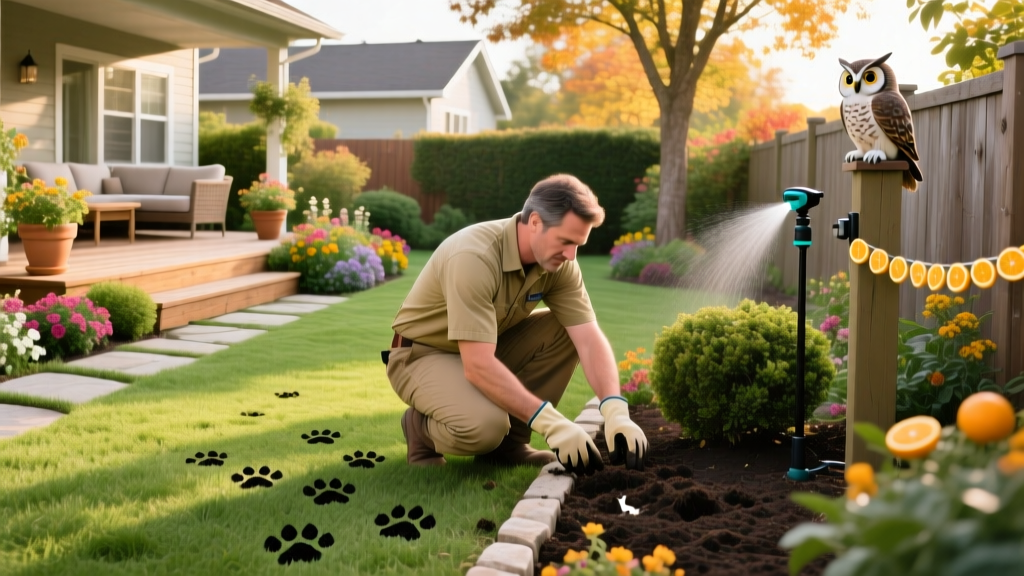
How to Keep Stray Cats Out of Your Yard: Diagnostic Solutions
The Hidden Costs of Feline Intrusion
Stray and feral cats do not respect property lines. When they enter your yard, they treat finely mulched garden beds as litter boxes, dig up vulnerable seedlings, and pose a significant health risk. According to the Centers for Disease Control and Prevention (CDC), feline feces can carry Toxoplasma gondii, a parasite whose oocysts can survive in moist soil for up to 18 months, posing severe risks to pregnant women and immunocompromised individuals. Furthermore, the presence of strays attracts territorial spraying, which leaves a pungent, lingering ammonia odor on your siding and foundation.
Successfully reclaiming your outdoor space requires moving beyond random deterrents. You must diagnose exactly why the cats are visiting and deploy a layered exclusion strategy. Below is a comprehensive diagnostic framework and targeted solution matrix to keep stray cats out of your yard permanently.
Phase 1: The 3-Point Yard Audit (Diagnosis)
Cats are highly territorial and opportunistic. They will only repeatedly visit a yard if it fulfills one of three biological needs. Before purchasing any repellents, conduct this audit to eliminate the primary attractants.
Diagnostic Checklist:
- Food Sources: Are you leaving pet food outdoors? Do you have bird feeders? Spilled sunflower seeds attract rodents, which in turn attract hunting cats. Unsealed compost bins containing food scraps are also major attractants.
- Shelter & Warmth: Check for gaps under decks, open shed doors, and dense, untrimmed brush piles. In colder months, cats will seek out the residual heat from HVAC units or recently driven vehicles parked in driveways.
- Ideal Litter Conditions: Cats prefer loose, dry, finely textured soil for digging. Freshly tilled beds, dry sandy patches, and fine cedar mulch act as magnetic litter boxes.
Phase 2: Active Tech Deterrents (Sensory Disruption)
Once attractants are minimized, active deterrents introduce negative reinforcement. The two most effective categories are motion-activated sprinklers and ultrasonic emitters. However, their efficacy depends entirely on proper placement and environmental conditions.
1. Motion-Activated Sprinklers
Water is the most universally effective aversive stimulus for felines. The Orbit 62100 Yard Enforcer (retailing between $75 and $90) is the industry standard for this application. It utilizes a passive infrared (PIR) sensor to detect heat and motion up to 40 feet away, delivering a sudden, sharp burst of water.
- Optimal Placement: Mount the sensor 2 to 3 feet off the ground, aiming directly at the entry point or the specific garden bed being targeted.
- Failure Mode (Winterization): The solenoid valve will freeze and crack if left attached to a hose spigot during sub-32°F weather. You must drain and store the unit indoors during winter months.
- Power Requirement: Requires 4 AA batteries, which typically last 3,000 to 5,000 activation cycles.
2. Ultrasonic Repellents
Ultrasonic devices emit high-frequency sound waves (typically 13.5 kHz to 23.5 kHz) that are deeply irritating to cats but largely inaudible to adult humans. The Aspectek YJ-8101 ($35 to $45) features adjustable frequency dials and a solar-charging top panel.
- The Line-of-Sight Rule: High-frequency sound waves do not penetrate solid objects. If you place an ultrasonic repellent behind a dense hedge or a wooden fence, the sound will be absorbed, rendering the device useless. It requires a clear line of sight to the target area.
- Frequency Tuning: Set the device to the 13.5–17.5 kHz range to specifically target felines without causing distress to neighboring dogs, which hear at slightly different frequencies.
Phase 3: Passive & Textural Exclusions
Active deterrents require batteries, water pressure, and maintenance. Passive exclusions alter the physical environment so that the yard is inherently hostile to feline paws and digging behaviors.
Sub-Surface Wire Mesh
This is the most permanent solution for garden beds. Lay 1-inch hexagonal galvanized chicken wire flat across the soil surface, then cover it with exactly 1 to 1.5 inches of mulch or topsoil. Plant roots will easily grow through the wire gaps, but a cat's claws will hit the metal mesh when they attempt to dig, causing them to abandon the effort immediately. Avoid using plastic netting, as cats can easily tear through it or get their claws tangled, which creates an animal welfare hazard.
Botanical Deterrents
While no plant is 100% cat-proof, certain botanicals emit odors that felines find offensive. Coleus canina (often sold as the 'Scaredy Cat' plant) releases a strong, skunk-like odor when its leaves are brushed against. Ruta graveolens (Rue) is a woody herb with a bitter scent that cats actively avoid. Plant these as a perimeter border around vulnerable vegetable patches.
Deterrent Comparison Matrix
Selecting the right tool requires understanding the trade-offs between cost, maintenance, and environmental constraints. Refer to the USDA APHIS Wildlife Damage Management guidelines for broader context on humane exclusion practices.
| Deterrent Type | Estimated Cost | Trigger Mechanism | Weather Vulnerability | Maintenance Level |
|---|---|---|---|---|
| Motion Sprinkler (Orbit) | $75 - $90 | PIR Heat/Motion Sensor | Freezing temps (Winterize) | Medium (Battery changes) |
| Ultrasonic (Aspectek) | $35 - $45 | Motion Sensor | Heavy rain blocks sound | Low (Solar charged) |
| Sub-Surface Wire Mesh | $15 - $30 per bed | Physical Barrier | None (Galvanized steel) | None (Permanent) |
| Granular Scent Repellents | $15 - $25 | Olfactory Aversion | Washes away in rain | High (Reapply weekly) |
Troubleshooting Matrix: Specific Behaviors to Solutions
If a specific feline behavior persists despite your initial efforts, use this diagnostic matrix to adjust your strategy.
Problem-Solution Mapping:
- Symptom: Cat is spraying urine on the side of your house or fence.
Fix: Wash the area with an enzymatic cleaner (like Nature's Miracle) to destroy the pheromones. Apply a citrus-based liquid repellent to the vertical surface. Do not use ammonia-based cleaners, as ammonia smells like urine to cats and will encourage re-marking. - Symptom: Cat is sleeping under your deck or porch.
Fix: Install 1/2-inch hardware cloth trenching. Dig a 6-inch trench around the perimeter, bury the hardware cloth in an 'L' shape pointing outward, and backfill. This prevents digging under the barrier. - Symptom: Cat is using a specific sandbox or soft mulch bed as a litter box.
Fix: Replace the soft mulch with rough-textured pine bark nuggets or lay down prickly pine cones. Cats require soft, fine material to bury their waste; rough textures deter the behavior entirely.
Ethical and Legal Considerations
When managing stray cats, it is critical to remain within local wildlife and animal welfare ordinances. Trapping and relocating feral cats is illegal in many municipalities and is largely considered inhumane and ineffective by wildlife biologists; removing a cat simply creates a 'vacuum effect' where a new, unneutered cat will move into the newly available territory.
Instead of lethal or relocation methods, focus strictly on exclusion and deterrence. If a specific feral colony is causing persistent issues, contact local Trap-Neuter-Return (TNR) organizations. Stabilizing the population through TNR reduces territorial spraying, yowling, and the overall size of the colony over time, complementing your physical yard exclusion efforts.

