
Home & Garden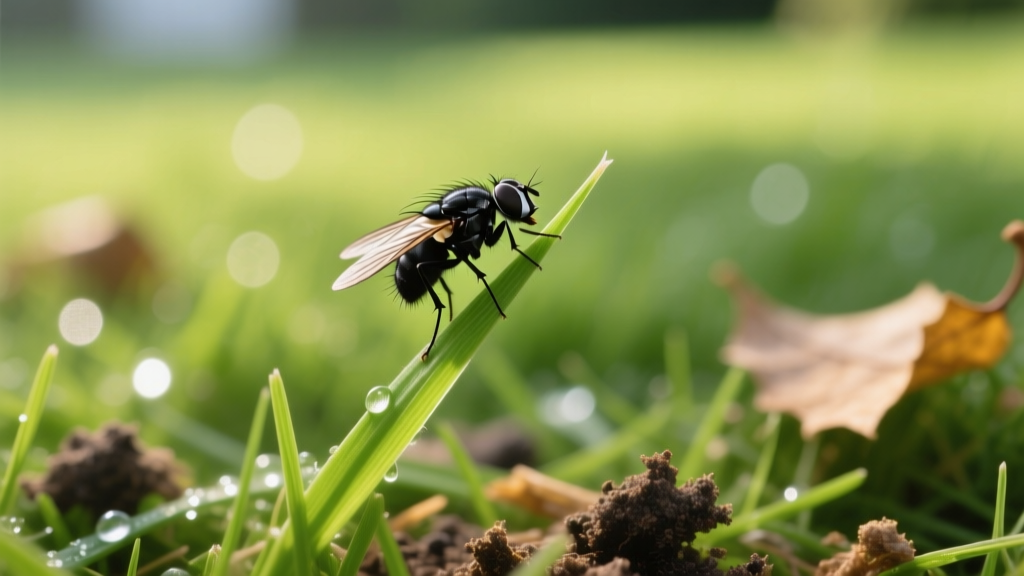
Tiny Small Black Fly in Your Yard: Fungus Gnat & Midge Defense Guide
When homeowners spot a tiny small black fly hovering over patio pots, damp lawn patches, or garden beds, the immediate reaction is often frustration. These pests are not just a nuisance; they can damage young plant roots, transmit pathogens, and make outdoor living spaces unbearable. However, the term "tiny small black fly" is a catch-all description that usually points to one of three distinct pests: fungus gnats, biting midges (no-see-ums), or true black flies. Eradicating them requires accurate identification and a targeted approach to their specific breeding grounds.
Identifying the Culprit: Which Tiny Small Black Fly is Invading?
Applying a broad-spectrum insecticide without knowing your enemy is a waste of time and money. The biological controls that decimate fungus gnat larvae will do nothing to stop a swarm of biting midges. Use the comparison matrix below to identify the specific pest in your yard based on size, behavior, and breeding habitat.
| Pest Type | Size & Appearance | Behavior & Biting | Primary Breeding Habitat |
|---|---|---|---|
| Fungus Gnats (Bradysia spp.) | 1/8 inch, delicate, long legs, distinct Y-vein on wings. | Poor flyers, hover over soil. Do not bite humans. | Overwatered potted plants, damp mulch, compost bins. |
| Biting Midges (Culicoides spp.) | 1/32 to 1/8 inch, robust, mottled wings. | Aggressive, painful bites. Swarm at dawn/dusk. | Wet mud, marshy yard edges, damp rotting wood. |
| Black Flies (Simuliidae) | 1/16 to 1/4 inch, humpbacked appearance, thick legs. | Vicious biters, leave bleeding welts. Swarm heads/eyes. | Running water (creeks, streams, clogged gutters). |
⚠️ Warning: If you are experiencing painful bites near your ankles or lower legs while standing in damp grass, you are likely dealing with biting midges. If the flies are simply annoying and hovering around your face or houseplants without biting, you have a fungus gnat infestation.
The Moisture Connection: Why They Breed in Your Garden
All three of these pests share one non-negotiable requirement for reproduction: moisture. Fungus gnats lay their eggs in the top 2-3 inches of damp soil, where the larvae feed on decaying organic matter and tender plant root hairs. According to the University of California Integrated Pest Management (UC IPM) program, allowing the top layer of soil to dry out completely between waterings is the single most effective cultural control method for gnats.
For biting midges, the breeding grounds are often overlooked micro-habitats in the yard. Clogged drainage swales, over-irrigated lawn low spots, and the muddy edges of water features provide the perfect gelatinous matrix for midge eggs. True black flies are less common in standard residential yards unless your property borders a creek or you have severely clogged, stagnant gutters mimicking running water.
Biological Warfare: Nematodes and Bti for Larval Control
Chemical foggers are largely ineffective against these pests because they only kill adults, leaving millions of larvae in the soil to hatch the next day. To break the life cycle, you must target the larvae using biological agents.
1. Beneficial Nematodes for Fungus Gnats
For fungus gnats in garden beds and large container planters, apply the entomopathogenic nematode Steinernema feltiae. These microscopic worms actively hunt down gnat larvae in the soil, enter their bodies, and release bacteria that kill the host within 48 hours.
- Product Recommendation: Arbico Organics NemaShield or ScanMask.
- Cost: Approximately $35 to $45 for 10 million nematodes (covers ~1,000 sq. ft.).
- Application: Mix with cool, distilled water (chlorine kills nematodes) and apply via a watering can or hose-end sprayer at dusk. The soil temperature must be between 55°F and 85°F.
2. Bti for Midge and Standing Water Larvae
If your tiny small black fly problem stems from biting midges breeding in muddy yard margins or black flies near water features, Bacillus thuringiensis israelensis (Bti) is the gold standard. Bti is a naturally occurring soil bacterium that produces proteins toxic only to the digestive systems of fly and mosquito larvae. The Environmental Protection Agency (EPA) confirms that Bti is highly target-specific and safe for use around pets, birds, and beneficial insects like bees.
- Product Recommendation: Summit Mosquito Dunks or Bits.
- Cost: $10 to $15 for a 6-pack of dunks.
- Application: Crumble dunks and sprinkle them directly into muddy puddles, rain barrels, or boggy yard edges. Reapply every 30 days during the active breeding season.
💡 Pro Tip: Do not use standard Bacillus thuringiensis kurstaki (Btk), which is sold for caterpillar control on vegetables. It will not work on fly larvae. Ensure the active ingredient explicitly lists the israelensis strain (Bti).
Adult Fly Knockdown: Traps and Botanical Sprays
While biological controls handle the larvae, you need immediate relief from the adults currently swarming your patio. Avoid synthetic pyrethroid sprays, which harm local pollinator populations and offer only a 24-hour knockdown.
Sticky Trap Color Theory
Fungus gnats are highly attracted to the color yellow. Place 3x5 inch yellow sticky cards (like the Gnat Stix or Yellow Jacket traps) horizontally just above the soil line of your potted plants. Conversely, biting midges are often attracted to light blue and white surfaces. If midges are the issue, hang blue sticky traps near your patio seating areas at ankle height.
Essential Oil and Neem Oil Repellents
For a botanical barrier spray that repels adult midges and black flies from your patio perimeter, use a micro-emulsified Neem oil or a garlic-peppermint oil barrier spray (such as Mosquito Barrier). Apply at a rate of 2 oz per gallon of water to shrubbery and fence lines where adult flies rest during the heat of the day. This creates an olfactory shield that disrupts their host-seeking behavior without leaving toxic residues.
Step-by-Step Yard Defense Protocol
Follow this 4-step protocol to systematically eradicate a tiny small black fly infestation over a 21-day period (the average life cycle of a gnat or midge).
- Day 1 - Moisture Audit: Use a digital soil moisture meter. Cut irrigation to potted plants and garden beds until the top 2 inches of soil read "dry" on the meter. Clear all yard debris, rotting wood, and clogged gutters.
- Day 2 - Larval Strike: Apply Steinernema feltiae nematodes to all garden beds and container plants at dusk. Place Bti bits in any unavoidable muddy low spots or drainage ditches.
- Day 3 - Adult Trapping: Deploy yellow sticky traps horizontally over plant soil, and hang blue/white traps around the patio perimeter. Replace traps when they are 50% covered in debris.
- Day 14 - Secondary Application: Reapply nematodes to the soil to catch any larvae that hatched from eggs laid just before the first treatment. The Penn State Extension recommends this secondary application to ensure complete population collapse.
- Day 21 - Maintenance: Transition to bottom-watering your potted plants and top-dress garden beds with a 1/2 inch layer of coarse horticultural sand or diatomaceous earth to prevent future egg-laying.
Frequently Asked Questions
Will apple cider vinegar traps work on tiny black flies?
Apple cider vinegar traps are highly effective for fruit flies (Drosophila), which are attracted to fermentation. They are largely ineffective for fungus gnats or biting midges. Fungus gnats are attracted to soil fungi and moisture, not fermenting fruit. Stick to yellow sticky traps and nematode treatments for gnats.
Can I use diatomaceous earth (DE) to stop them?
Food-grade diatomaceous earth can act as a physical barrier against adult fungus gnats trying to lay eggs in potted plants. However, DE loses its abrasive, desiccating properties the moment it gets wet. If you water your plants from the top, the DE barrier is instantly neutralized. It is best used in conjunction with bottom-watering techniques or inside covered patio areas.
Why do the flies get worse right after it rains?
Rainfall saturates the topsoil and creates temporary muddy puddles, triggering a mass hatching event for both fungus gnat and midge pupae. If you notice a swarm immediately following a heavy rain, it indicates your yard has poor drainage or excessive thatch holding water near the surface. Aerating your lawn and top-dressing with compost will improve percolation and reduce post-rain hatching.