
Home & Garden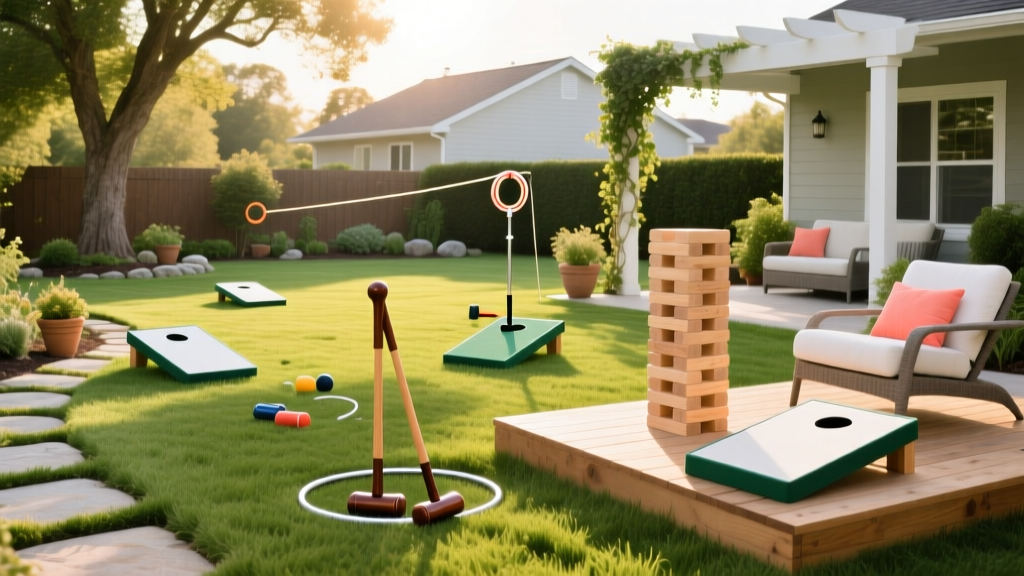
Best Back Yard Games for Your Lawn in 2026: Turf-Safe Picks
The Hidden Physics of Lawn Damage During Outdoor Play
Hosting outdoor gatherings often means setting up entertainment on your turf, but not all activities are created equal when it comes to grass health. The primary enemy of your lawn during these events is soil compaction. When players stand, pivot, and jump in a concentrated 20x30 foot area, the localized pressure can exceed 40 pounds per square inch (PSI) on the heels of their shoes. According to turfgrass researchers, once soil bulk density exceeds 1.6 g/cm³, macropores collapse, choking off oxygen and water infiltration to the root zone.
Choosing the right back yard games requires balancing entertainment value with the physical footprint of the equipment and the players. Heavy wooden boards, repeated throwing impacts, and intense lateral foot traffic can turn a lush Kentucky Bluegrass lawn into a barren dirt patch by late summer. By selecting turf-friendly equipment and implementing a strategic rotation plan, you can maintain a pristine landscape without sacrificing outdoor fun.
2026 Turf-Safe Back Yard Games Matrix
The following matrix evaluates popular outdoor games based on equipment weight, foot traffic intensity, and overall impact on natural grass. Data aligns with traffic-tolerance standards from the National Turfgrass Evaluation Program (NTEP).
| Game | Equipment Weight | Foot Traffic | Turf Impact (1-5) | Best Surface Recommendation |
|---|---|---|---|---|
| Spikeball (Roundnet) | 2.2 lbs | High (Pivoting) | 3 | Natural Grass (Rotate Zones) |
| Premium Wooden Cornhole | 30-40 lbs (pair) | Medium (Standing) | 4 | Natural Grass (Use Mats) |
| Giant Jenga (Hardwood) | 15-20 lbs | Low (Walking) | 2 | Natural Grass |
| Bocce Ball (Resin) | 8-12 lbs | Low (Walking) | 5 (Ball Impact) | Hardscape / Patio Only |
| Master Croquet Set | 6-8 lbs | Medium (Walking) | 2 | Natural Grass |
| Ladder Toss (PVC/Wood) | 5-10 lbs | Low (Standing) | 1 | Natural Grass |
Game-Specific Turf Considerations
- Cornhole: The primary damage comes from the player's stance rather than the boards. Place interlocking foam turf-protection mats (like those from IncStores) under the throwing zone to distribute weight and prevent heel-divots.
- Bocce Ball: While the equipment is light, the heavy resin balls repeatedly striking the ground will sever grass crowns and create depressions. Keep this game strictly on paved surfaces or dedicated decomposed granite courts.
- Spikeball: The net exerts zero ground pressure, but the 360-degree lateral pivoting of four players creates severe shear stress on grass blades. This game requires the most rigorous zone rotation.
Prepping Your Grass for High-Traffic Play Zones
Before the summer game season begins, your lawn must be fortified to withstand mechanical stress. Grass cultivars with deep root systems and high tensile strength perform best. The NTEP consistently ranks 'Titan Ultra' Tall Fescue and 'Midnight' Kentucky Bluegrass among the top performers for wear tolerance.
Pro-Tip: The Pencil Test for Compaction
Before setting up games, push a standard wooden pencil into the soil. If it bends or breaks before penetrating 3 inches, your soil is too compacted for high-traffic games and requires immediate aeration.
Before setting up games, push a standard wooden pencil into the soil. If it bends or breaks before penetrating 3 inches, your soil is too compacted for high-traffic games and requires immediate aeration.
Step-by-Step Pre-Season Aeration
- Moisture Prep: Water the designated game zone deeply (1 inch of water) 24 hours before aerating. Dry soil will shatter core tines.
- Core Extraction: Use a manual coring tool (such as the Yard Butler ID-4C) or a rented stand-on aerator to pull 2-to-3-inch plugs. Space holes no more than 3 inches apart in the primary throwing and standing zones.
- Topdressing: Spread a 1/4-inch layer of screened compost over the aerated zone. Drag it with a leveling rake so it falls into the aeration holes, improving soil structure and microbial activity.
- Overseeding: Apply 3 to 5 lbs of traffic-tolerant Tall Fescue seed per 1,000 square feet. Keep the zone moist for 14 days until germination occurs.
The 14-Day Game Zone Rotation Strategy
The most critical mistake homeowners make is anchoring their back yard games in the exact same location all summer. Turfgrass needs a minimum of 10 to 14 days to recover cellular turgor pressure and repair torn root hairs after a heavy gaming session.
Measure out three distinct 20x30 foot zones in your yard. Label them Zone A, Zone B, and Zone C.
- Weeks 1-2: Set up all Cornhole, Ladder Toss, and Giant Jenga games in Zone A. Zone B and C remain open for general play or resting.
- Weeks 3-4: Move all equipment to Zone B. Rake Zone A lightly to stand up compressed grass blades and apply a slow-release nitrogen fertilizer (e.g., Milorganite) to stimulate recovery.
- Weeks 5-6: Rotate to Zone C.
By the time you return to Zone A, the turf will have completed a full metabolic recovery cycle. According to the University of Minnesota Extension, allowing grass this specific rest window prevents the transition from temporary wilting to permanent crown death.
Post-Game Recovery Protocol
Even with rotation, immediate post-game care mitigates long-term damage. After packing up the equipment, spend five minutes executing this recovery protocol:
- Sweep Debris: Remove spilled seeds, dropped food, or wooden splinters that can smother the grass canopy and invite fungal pathogens like Brown Patch.
- Hydration Flush: Run a sprinkler over the game zone for exactly 15 minutes. This washes dust and sweat (which contains salts that dehydrate grass) off the leaf blades and helps compressed soil particles rebound.
- Blade Lifting: Use a flexible leaf rake to gently lift trampled grass blades. This prevents the grass from matting down and developing micro-climates that harbor mold.
Frequently Asked Questions
Can I play back yard games on newly sodded lawns?
No. Newly laid sod requires 6 to 8 weeks to establish deep root anchorage. Playing games on fresh sod will cause the unrooted grass mats to slide, tearing the delicate new root hairs and creating severe unevenness in your grading.
Are inflatable games safer for the lawn than wooden ones?
Generally, yes. Inflatable obstacle courses or bounce houses distribute weight across a massive surface area, resulting in very low PSI. However, they must be anchored properly. Use heavy-duty spiral turf anchors instead of rebar stakes to minimize localized root shearing.
What is the best time of day to set up heavy game equipment?
Set up equipment in the late afternoon or early evening. Grass blades are most turgid (full of water) in the early morning; stepping on them at this time causes the most cellular rupture. Late afternoon grass is slightly more pliable and recovers overnight when temperatures drop.

