
Home & Garden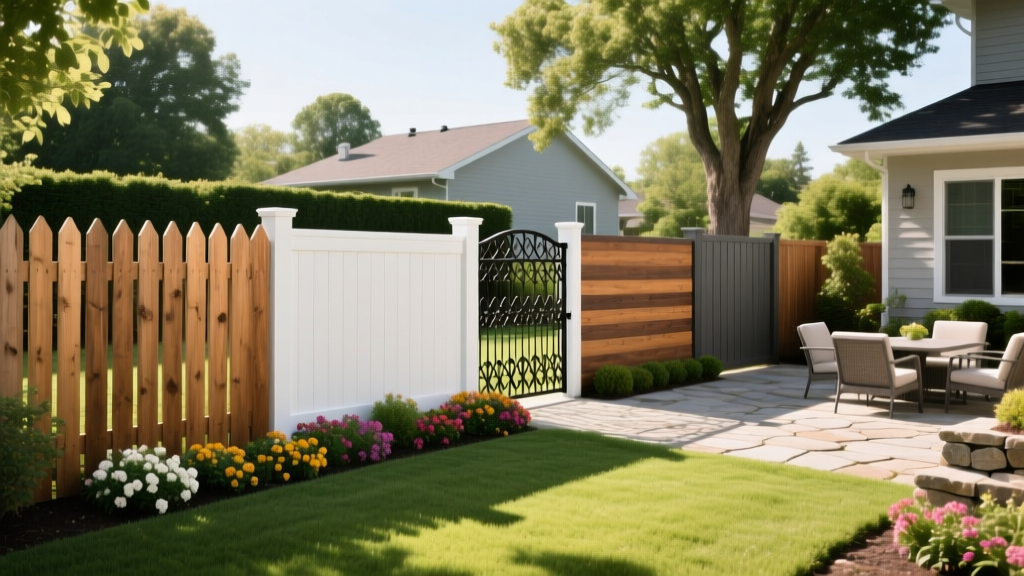
Best Types of Fences for Yards: Material Guide & Cost Breakdown
The Core Decision Matrix: Matching Material to Yard Function
Selecting from the various types of fences for yards requires balancing four variables: privacy needs, local climate, HOA restrictions, and long-term maintenance tolerance. A boundary marker for a rural property demands entirely different structural properties than a sound-dampening privacy screen for a suburban lot. Before evaluating specific materials, map your primary requirement to the correct structural category.
Quick-Match Decision Framework:
- Maximum Privacy & Sound Dampening: Solid wood, composite, or vinyl privacy panels (6 to 8 feet tall).
- Pet Containment & Visibility: Aluminum ornamental, chain link, or split-rail with welded wire mesh.
- Pool Safety Compliance: Aluminum or mesh (must meet BOCA/ASTM non-climbable standards with self-closing gates).
- High Wind / Hurricane Zones: Vinyl with internal aluminum reinforcement or spaced-board wood (allows wind pass-through).
Wood Fences: Classic Aesthetics vs. Maintenance Realities
Wood remains the most popular choice among the types of fences for yards due to its natural aesthetic and customizable height. However, not all lumber performs equally outdoors. The lifespan of a wood fence is dictated by the species and the chemical treatment process.
Western Red Cedar vs. Pressure-Treated Pine
Western Red Cedar contains natural oils called thujaplicins, which act as a built-in fungicide and insect repellent. Untreated cedar can last 15 to 20 years before structural degradation begins, though it will weather to a silvery gray within 12 months unless sealed annually with a UV-blocking penetrating oil.
Pressure-Treated Southern Yellow Pine is the budget-friendly alternative. Modern treatments use MCA (Micronized Copper Azole) or ACQ (Alkaline Copper Quaternary) to resist rot and termites. According to the USDA Forest Products Laboratory, properly treated pine in ground contact can exceed 40 years of structural integrity, but above-ground fence pickets typically require replacement every 12 to 15 years due to UV checking and warping.
⚠️ Warning: The Post-Setting Failure Mode
The most common point of failure for wood fences is the post base rotting at the soil line. Never set wood posts directly in concrete without a gravel drainage base. Pour 4 inches of gravel at the bottom of the post hole, set the post, and slope the concrete collar away from the wood to shed surface water.
The most common point of failure for wood fences is the post base rotting at the soil line. Never set wood posts directly in concrete without a gravel drainage base. Pour 4 inches of gravel at the bottom of the post hole, set the post, and slope the concrete collar away from the wood to shed surface water.
Vinyl & Composite: The Premium Upfront Investment
For homeowners seeking a zero-maintenance perimeter, synthetic materials dominate the market. When evaluating vinyl, verify that the manufacturer uses a co-extrusion process. Cheap, single-layer vinyl becomes brittle and chalks under UV exposure. High-quality vinyl features a titanium dioxide outer layer that reflects UV rays, maintaining its color for decades.
Wood-Plastic Composite (WPC) fencing blends wood fibers with recycled polyethylene, capped with a polymer shield. It mimics the grain of real wood without the splintering or rot risk. While composite costs significantly more upfront, it eliminates the recurring $500–$1,200 expense of power-washing and restaining wood every three years.
Metal Fencing: Aluminum, Wrought Iron, and Chain Link
Metal fencing provides exceptional longevity and security. Powder-coated extruded aluminum has largely replaced traditional wrought iron in residential applications. Unlike iron, aluminum does not oxidize (rust), making it the mandatory choice for coastal properties exposed to salt spray. Modern aluminum fences utilize hidden fastener brackets and routed posts, eliminating the visible screws that detract from the curb appeal of older iron designs.
Galvanized Chain Link remains the most cost-effective option for large-acreage boundary marking. For residential yards, opt for a 9-gauge wire with a 2-inch mesh, coated in black or dark green vinyl. Dark-colored chain link virtually disappears into the background landscaping, offering a much cleaner sightline than bare silver galvanized steel.
Comprehensive Cost & Lifespan Matrix
The following data reflects national average installation costs for a standard 6-foot privacy fence or 4-foot ornamental fence, inclusive of materials, labor, and concrete footings. Pricing aligns with current industry cost reports for the 2025–2026 building season.
| Material Type | Avg. Cost per Linear Ft. | Expected Lifespan | Maintenance Level |
|---|---|---|---|
| Pressure-Treated Pine | $18 – $28 | 12 – 15 Years | High (Annual sealing) |
| Western Red Cedar | $25 – $42 | 15 – 25 Years | Medium (Bi-annual oil) |
| Co-Extruded Vinyl | $32 – $48 | 30+ Years | Low (Occasional wash) |
| Capped Composite | $45 – $75 | 25 – 30 Years | Very Low |
| Powder-Coated Aluminum | $38 – $55 | 40+ Years | None |
| Vinyl-Coated Chain Link | $14 – $22 | 20+ Years | Low |
Hidden Installation Costs & HOA Compliance Framework
Budgeting for a fence extends beyond the per-linear-foot material quote. Homeowners frequently encounter three hidden costs that can inflate a project budget by 15% to 25%.
- Property Line Surveys ($400 – $800): Never rely on existing property pins or municipal GIS maps. If you build 6 inches over your property line, a neighbor can legally force you to dismantle the fence at your expense. Hire a licensed surveyor to mark the exact boundary before digging.
- Utility Locates (Free but Mandatory): Dialing 811 triggers local utility companies to mark underground gas, water, and fiber-optic lines. Hitting an unmarked line can result in thousands of dollars in repair fines and project delays.
- HOA Architectural Review Fees ($50 – $150): If your yard falls under a Homeowners Association, you must submit a material sample, plot plan, and elevation drawing to the architectural review committee. Many HOAs strictly prohibit chain link and mandate specific heights (usually 6 feet max) and colors for rear-yard privacy fences.
"Always verify local municipal setback ordinances. Many cities require fences to be set back 2 to 5 feet from the sidewalk or street easement, and corner lots often have strict 'sight triangle' restrictions limiting fence height to 3 feet within 25 feet of an intersection."
Expert Troubleshooting FAQ
How do I prevent fence posts from heaving in freeze-thaw climates?
In regions with deep frost lines, concrete footings act as a plug that frost can grip and push upward. To prevent heaving, dig the post hole 6 inches below your local frost line. Pour a 4-inch gravel base, set the post, and fill the hole with concrete only up to 2 inches below grade. Backfill the remaining top 2 inches with soil and slope it away from the post. This removes the 'collar' of concrete at the surface that frost latches onto.
Can I install a fence directly on a retaining wall?
Yes, but standard post-hole digging is impossible. You must use specialized steel post brackets (like the Oz-Post surface mount brackets) anchored into the concrete retaining wall using wedge anchors or epoxy-set threaded rods. Ensure the retaining wall is structurally engineered to handle the lateral wind load transferred by the fence panels; a standard 4-inch decorative wall will snap under the wind load of a 6-foot privacy fence.
What is the best material for containing large dogs?
For large, athletic breeds, standard chain link is easily climbed. The American Fence Association recommends a 6-foot solid privacy fence (wood or vinyl) to remove the visual stimuli that trigger jumping. If using an ornamental metal fence, ensure the vertical pickets are spaced no more than 4 inches apart to prevent the dog's head from getting trapped, and add a horizontal tension wire at the bottom to prevent digging under the perimeter.

