Home & Garden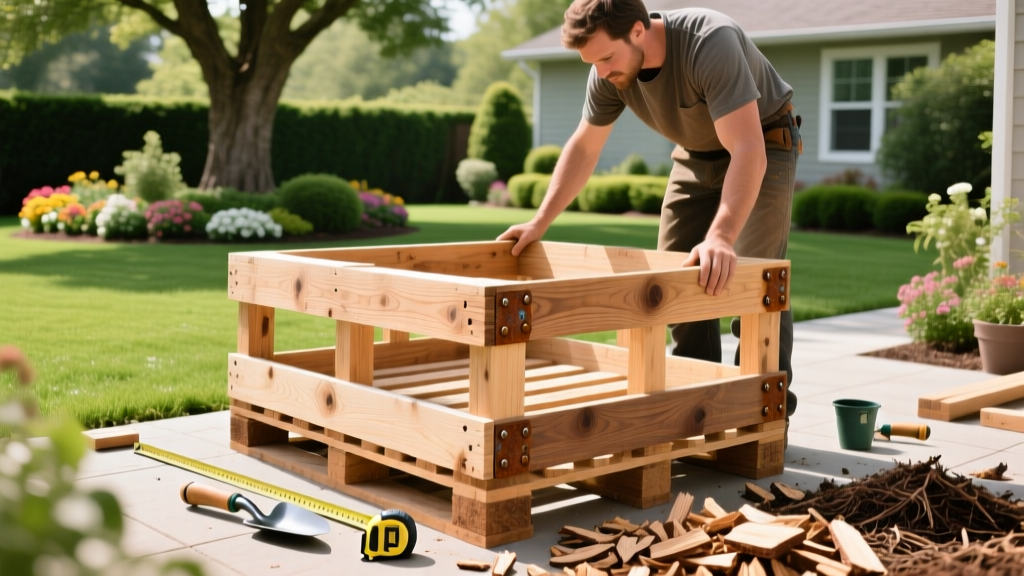
Weatherproof Pallet Ideas for Outdoors: A DIY Build Guide
The Reality of Reclaimed Pallet Wood
Building outdoor furniture from reclaimed shipping pallets is a high-reward DIY endeavor, but it carries hidden risks if you skip material vetting. While the wood is often free, transforming raw industrial pallets into weather-resistant patio furniture requires strict adherence to safety grading, meticulous deconstruction, and professional-grade weatherproofing. Standard Grocery Manufacturers Association (GMA) pallets measure 48 by 40 inches, yielding roughly 12 to 15 linear feet of usable decking per unit. This guide provides exact specifications, material costs, and structural frameworks for executing durable pallet ideas for outdoors.
Sourcing Safe Pallets: Decoding the ISPM 15 Stamp
Not all pallets are safe for residential use. International shipments require wood packaging to be treated against invasive pests under the ISPM 15 standard. You must locate the burned IPPC logo on the pallet stringer and read the two-letter treatment code. According to USDA APHIS regulations, importing untreated wood is prohibited, meaning every pallet you find has undergone chemical or thermal processing.
Wood Stamp Decoder: What is Safe?
- HT (Heat Treated): Safe. Heated to 56°C for at least 30 minutes. Ideal for outdoor furniture.
- KD (Kiln Dried): Safe. Often paired with HT. Low moisture content reduces warping.
- DB (Debarked): Safe. Simply indicates the outer bark was removed before treatment.
- MB (Methyl Bromide): TOXIC. DO NOT USE. A highly toxic pesticide. The EPA strictly regulates Methyl Bromide due to its ozone-depleting properties and severe neurological risks. Never burn, cut, or sand MB-stamped pallets.
Deconstruction and Surface Preparation
Prying apart pallets with a standard crowbar often splits the brittle oak or southern yellow pine deck boards. The most efficient method is using a reciprocating saw equipped with a 6-inch bi-metal demolition blade (such as the Diablo DS0606BF). Cut the nails flush between the deck board and the stringer. This preserves the full 3.5-inch width of the board and saves hours of hammering.
Once deconstructed, the wood must be milled smooth. Pallet wood is rough-sawn and harbors embedded dirt and silica. Use a 5-inch random orbital sander with a strict grit progression:
- 60-Grit (Aluminum Oxide): Removes mill glaze, embedded gravel, and deep gouges. Do not skip this step, or the wood will absorb sealant unevenly.
- 120-Grit: Smooths the surface and opens the wood pores for optimal oil penetration.
- 220-Grit (Optional): Only necessary if you plan to apply a film-forming topcoat like spar urethane on armrests.
Weatherproofing: Sealant Selection Matrix
Unsealed pallet wood will gray, splinter, and succumb to wood-decay fungi within a single season. Penetrating oils are superior to film-forming finishes for outdoor pallet projects because they do not peel or flake when the wood expands and contracts with humidity changes. Below is a comparison of top-tier exterior sealants available in 2026.
| Product | Type | Avg Cost (Gallon) | Dry Time | Best Application |
|---|---|---|---|---|
| Cabot Australian Timber Oil | Penetrating Oil | $55 - $65 | 24-48 hrs | Seating, tables, high-traffic areas |
| Thompson's WaterSeal Advanced | Waterproofer | $30 - $35 | 2-4 hrs | Vertical planters, compost bins |
| Ready Seal Exterior Wood | Oil-Based Stain | $40 - $50 | 48-72 hrs | Large surface areas, forgiving application |
Project 1: The Modular Sectional Sofa
This build utilizes four standard GMA pallets to create a low-profile, heavy-duty outdoor sectional. The key to structural integrity is bypassing the pallet's original thin nails and using structural exterior screws.
Materials and Cut List
- Pallets: 4 units (HT stamped, 4-stringer block pallets preferred for wider bases).
- Fasteners: 50x 3-inch GRK R4 structural screws (polymer-coated for corrosion resistance).
- Corner Braces: 8x Simpson Strong-Tie 2x4 post bases or heavy-duty L-brackets.
- Base Isolation: 4x Composite deck blocks (to prevent ground-contact rot).
Assembly Steps
- Base Construction: Lay two pallets side-by-side. Align the stringers and drive four 3-inch GRK screws through the adjacent stringers at 12-inch intervals. This locks the bases together without relying on the thin deck boards.
- Backrest Integration: Stand the remaining two pallets vertically on the rear edge of the base. Secure them using Simpson Strong-Tie L-brackets, driving 1.5-inch exterior screws into the stringers. Do not screw directly through the deck boards into the end-grain of the stringers; this will strip out under wind loads.
- Isolation: Place composite deck blocks under all four corners of the sofa. Direct soil contact wicks moisture into the end-grain, causing rapid stringer rot.
Project 2: The Tiered Herb Garden Planter
Vertical pallet planters are highly popular, but most fail because the soil weight bursts the front-facing deck boards. To build a durable tiered planter, you must reconstruct the internal framework.
- Deconstruct one HT pallet completely, salvaging the 1.5-inch thick stringers.
- Cut the stringers into 4-inch, 8-inch, and 12-inch blocks. These will act as internal retaining cleats.
- Reattach the deck boards to a solid plywood backer (1/2-inch exterior-grade CDX) rather than the original pallet frame.
- Screw the retaining cleats horizontally behind the deck boards at each tier to bear the lateral load of 40+ pounds of wet potting soil.
- Line the interior tiers with 6-mil heavy-duty polyethylene sheeting, stapling it to the backer. Poke drainage holes at the rear base of each tier to prevent waterlogging the wood.
Project 3: Heavy-Duty Compost Bin
A standard 3-bin compost system requires immense structural rigidity. Wet compost weighs approximately 1,000 pounds per cubic yard. Standard pallet hinges will tear out of the soft pine deck boards within months.
The Fix: Use three identical pallets to form a U-shape. Instead of hinges, join the rear corners using 2x4 pressure-treated lumber posts driven 18 inches into the ground. Lag-bolt the pallet stringers directly to the 2x4 posts using 3/8-inch x 3-inch galvanized lag screws with fender washers. For the front access gate, use a single pallet mounted on heavy-duty strap hinges (minimum 12-inch length) that span across at least three deck boards to distribute the torsional stress.
Common Failure Modes and Prevention
Critical Troubleshooting
1. End-Grain Wicking: Wood acts like a bundle of straws. If cut ends touch the ground, they will draw moisture upward, rotting the piece from the inside out. Always seal cut ends with a dedicated end-grain sealer like Anchorseal, or cap them with composite trim.
2. Fastener Corrosion: Standard zinc-plated screws will rust and streak the wood black within one season, especially if the wood is sealed with an oil-based product. Always use polymer-coated (e.g., GRK Climatek) or 304-grade stainless steel fasteners.
3. Splintering on Seating Surfaces: Pallet wood is prone to micro-splinters. If building seating, route the edges of all deck boards with a 1/4-inch round-over router bit before sanding. This eliminates the sharp 90-degree edges where splinters originate.
Frequently Asked Questions
Can I burn pallet wood in my outdoor fire pit?
Only if you are 100% certain the pallet is HT (Heat Treated) and has never been used to transport chemicals, paints, or industrial solvents. MB (Methyl Bromide) pallets release highly toxic gas when burned. When in doubt, dispose of the wood at a municipal recycling center.
How often do I need to reseal outdoor pallet furniture?
Penetrating oils like Cabot Australian Timber Oil typically require reapplication every 12 to 18 months in high-UV environments. To test if resealing is needed, splash water on the wood. If it beads up, the seal is intact; if it absorbs immediately and darkens the wood, it is time to reapply.