
Home & Garden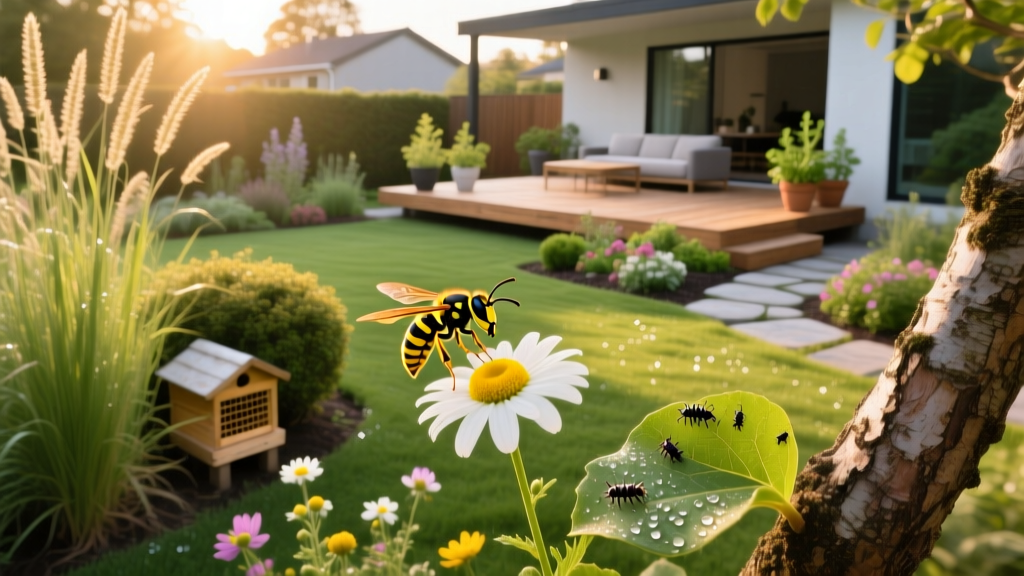
What Are Yellow Jackets Good For? 5 Surprising Garden Benefits
Most homeowners instinctively reach for aerosol sprays at the sight of a yellow jacket (Vespula spp.) hovering near the patio. However, before you declare war on these striking insects, it is crucial to understand their ecological function. What are yellow jackets good for? Far from being mere picnic crashers, they are vital apex predators of the micro-insect world and play an underappreciated role in maintaining garden health. While their sting is undeniably painful and their late-season scavenging can be a nuisance, their presence in your yard signals a complex, working ecosystem.
This guide breaks down the specific ecological benefits of yellow jackets, how to identify them correctly, and actionable frameworks for coexisting with them safely in your outdoor living spaces.
The Predatory Powerhouses: Natural Pest Control
The primary ecological benefit of yellow jackets lies in their insatiable appetite for other insects. During the spring and early summer, a yellow jacket colony is in its "protein-foraging" phase. The worker wasps hunt live prey to feed the developing larvae in the nest. In return, the larvae secrete a sugary amino acid solution that the adult workers consume for energy.
A single mature colony of Western yellowjackets (Vespula pensylvanica) can contain up to 5,000 workers by late summer. According to University of California Agriculture and Natural Resources (UC ANR), a large colony can consume upwards of 2 pounds of insects per week. That equates to roughly 100,000 individual pests eliminated from your immediate environment.
Specific Garden Pests They Target
- Caterpillars: Including cabbage loopers, tomato hornworms, and armyworms that devastate vegetable crops.
- Flies: Houseflies, blowflies, and agricultural pest flies are staple protein sources.
- Grubs and Beetles: They will dig into shallow mulch to extract Japanese beetle grubs and other soft-bodied larvae.
- Spiders and Ticks: Yellow jackets actively hunt arachnids, helping to keep tick populations in check around wooded yard borders.
Identification Matrix: Yellow Jackets vs. Honeybees vs. Hornets
Misidentification leads to the unnecessary eradication of beneficial pollinators. Use this quick framework to identify what is visiting your garden:
- Yellow Jackets: Hairless, bright yellow and black bands, distinct "wasp waist," aggressive if nest is threatened, build papery nests in ground holes or eaves.
- Honeybees: Fuzzy, golden-brown bodies, carry visible pollen baskets on hind legs, docile, build wax combs in protected cavities.
- Bald-Faced Hornets: Larger than yellow jackets, black with white/yellow markings on the face and tail, build massive aerial paper nests, highly effective predators but less aggressive toward humans than yellow jackets.
Pollination Services: The Overlooked Contributors
When gardeners ask, "what are yellow jackets good for?", pollination is rarely the first answer. Because they lack the fuzzy, pollen-trapping bodies of bees, they are inefficient pollinators by comparison. However, they are far from useless in this regard.
Yellow jackets are frequent visitors to shallow, open-faced flowers. They are particularly drawn to the Apiaceae (carrot) family, which includes dill, fennel, parsley, and Queen Anne’s lace, as well as Asteraceae plants like yarrow and goldenrod. As they move from bloom to bloom seeking nectar to fuel their high-energy flight, pollen sticks to their smooth exoskeletons and legs, facilitating cross-pollination. Penn State Extension notes that while they shouldn't be relied upon as primary pollinators for fruit trees, their late-season foraging supports the reproductive cycles of many native wildflowers and late-blooming garden perennials.
Seasonal Shifts: The Scavenging Phase
To understand yellow jacket behavior, you must understand their seasonal dietary shift. By late August and September, the colony stops producing new workers and begins producing reproductive males and future queens. The larvae that previously provided the adults with sugar are no longer present in large numbers.
This forces the adult workers to seek out carbohydrates directly. This is the phase where they become notorious for landing on soda cans, ripe fruit, and outdoor meals. While annoying, this scavenging behavior serves a vital ecological purpose: environmental cleanup. They consume fallen, rotting fruit that could otherwise harbor fungal diseases and fungal gnats, and they scavenge dead insects, accelerating the decomposition process.
Ecological Impact Data Breakdown
| Season | Primary Diet | Ecological Benefit | Human Conflict Level |
|---|---|---|---|
| Spring (April - June) | Live insects (protein) | Pest suppression, queen colony establishment | Low |
| Summer (July - August) | Live insects & nectar | Peak pest control, shallow flower pollination | Moderate |
| Fall (Sept - Oct) | Sugars, carbs, rotting fruit | Orchard cleanup, disease vector reduction | High |
| Winter (Nov - March) | None (Colony dies) | Abandoned nests provide shelter for spiders/moths | None |
Coexistence Strategy: When to Tolerate vs. Eradicate
Knowing what yellow jackets are good for doesn't mean you should allow them to build a nest inside your patio umbrella. The key to managing yellow jackets is spatial awareness and timing.
The 20-Foot Rule
Entomologists generally recommend a buffer zone for ground and aerial nests. If a nest is located more than 20 feet away from high-traffic areas (playsets, patios, garden gates, and frequently used walkways), it is highly beneficial to leave it alone. The foraging radius of a yellow jacket can extend up to 1,000 yards, meaning a nest at the back edge of your property will still patrol your vegetable garden for hornworms without posing a threat to your family.
Proactive Deterrence (Spring)
If you want to prevent nests from forming near your home, deploy decoy nests in early April. Yellow jackets are highly territorial and will avoid building within 200 feet of an existing colony. Products like the GetLost Yellow Jacket Decoy (typically priced around $12 to $15) mimic the shape of a mature paper nest. Hang these under eaves and along fence lines before the queens emerge from their winter hibernation sites (usually 2 to 3 inches deep in loose soil or rotting logs).
Targeted Trapping (Late Summer)
If scavenging becomes an issue during outdoor dining in September, use traps baited with heptyl butyrate. This synthetic chemical mimics the scent of fermenting fruit and attracts yellow jackets but, crucially, does not attract honeybees. Place the Rescue Yellowjacket Trap at least 20 feet away from your seating area to draw the foragers away from your table, rather than inviting them closer.
Frequently Asked Questions
Do yellow jackets die off in the winter?
Yes. In temperate climates, the entire colony—including all workers, males, and the original founding queen—dies when freezing temperatures arrive. Only the newly mated queens survive by burrowing into protected soil cavities to overwinter, emerging the following spring to start a brand-new colony from scratch.
Can yellow jackets sting multiple times?
Unlike honeybees, which have barbed stingers that tear away from their abdomen, yellow jackets possess smooth stingers. This allows a single worker to sting a perceived threat repeatedly without dying. This makes nest disturbance incredibly dangerous, as dozens of workers can swarm and deliver hundreds of stings in seconds.
Are ground-nesting yellow jackets dangerous to lawns?
No. While they often utilize abandoned rodent burrows or hollows under landscape timbers, they do not feed on grass roots or turf. According to University of Kentucky Entomology, their presence in the lawn is strictly predatory, and they actually help aerate the soil slightly while hunting for grubs.
By understanding the specific ecological mechanics of Vespula species, homeowners can shift their perspective from eradication to management. When kept at a safe distance, yellow jackets serve as a free, highly efficient, and entirely organic pest control service for your garden.

