
Home & Garden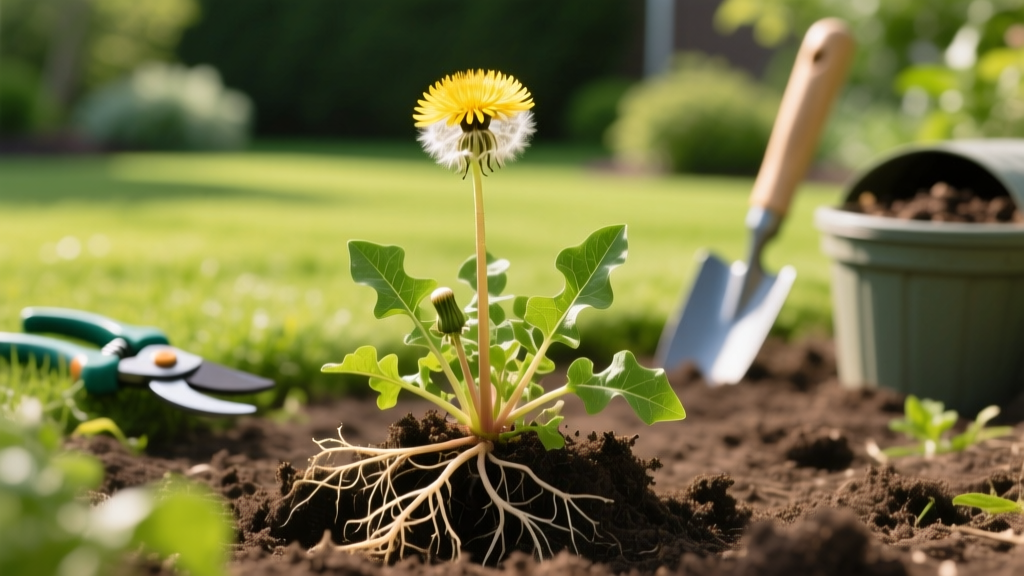
What Is the Dandelion Root Good For? Health & Garden Guide
Most homeowners view Taraxacum officinale as a persistent lawn weed, waging chemical warfare to eradicate it from their turf. However, beneath the surface lies a thick, nutrient-dense taproot that has been utilized in traditional medicine and organic gardening for centuries. If you are asking what is the dandelion root good for, the answer spans herbal wellness, culinary substitutes, and advanced soil management. This guide breaks down the botanical mechanics, chemical composition, and exact harvesting protocols required to turn this common weed into a valuable homestead resource.
The Botanical Profile: Why Dandelion Roots Are So Potent
The dandelion taproot is a survival mechanism. In uncompacted soil, it can plunge 10 to 15 inches deep, occasionally reaching up to 3 feet. This depth allows the plant to mine subsoil minerals—such as calcium, potassium, and iron—that shallow-rooted grasses cannot access. The root is highly brittle; if a single fragment is left in the earth, it will regenerate a new crown. While this makes it a nuisance in manicured lawns, it also means the plant is a highly renewable resource for foragers.
The root's primary biological function is energy storage. During the growing season, it synthesizes complex carbohydrates, specifically inulin, a powerful prebiotic fiber. It also produces bitter sesquiterpene lactones, primarily taraxacin, which act as a defense mechanism against herbivores but offer significant physiological benefits to humans when properly processed.
What Is the Dandelion Root Good For? (Internal & External Uses)
When evaluating the utility of the dandelion root, its applications divide cleanly into human consumption and garden ecology. According to research published in the National Institutes of Health (NIH), Taraxacum officinale possesses notable anti-inflammatory, anti-oxidative, and hepatoprotective properties.
Culinary & Medicinal Applications
- Caffeine-Free Coffee Substitute: When slowly roasted, the inulin in the root caramelizes, producing a dark, rich, and slightly bitter beverage that mimics the mouthfeel and flavor profile of dark roast coffee without the caffeine or acidity.
- Digestive Bitters & Tinctures: The bitter compounds (taraxacin) stimulate the vagus nerve, triggering the release of saliva, stomach acid, and bile. Herbalists frequently use dandelion root tinctures as an aperitif to prepare the digestive tract for heavy meals.
- Prebiotic Fiber Source: Inulin bypasses digestion in the stomach and small intestine, arriving intact in the colon where it feeds beneficial Bifidobacteria. This makes it an excellent functional ingredient for gut health formulations.
Garden & Soil Applications
If you do not wish to consume the root, it remains a powerhouse for your garden. Because dandelions are dynamic accumulators, their roots pull up deep-seated minerals. Chopped dandelion roots can be added directly to compost bins as an "activator," accelerating microbial breakdown due to their high sugar and mineral content. Alternatively, steeping fresh roots in water for 48 hours creates a potent, potassium-rich liquid fertilizer ideal for fruiting tomatoes and peppers.
Nutritional & Chemical Composition Matrix
Understanding what makes the root effective requires looking at its biochemical makeup. The concentration of these compounds shifts dramatically depending on the harvest season.
| Compound | Primary Function | Peak Concentration Season |
|---|---|---|
| Inulin | Prebiotic fiber, energy storage, caramelizes when roasted | Late Autumn (up to 40% of root mass) |
| Taraxacin | Bitter principle, stimulates digestion and bile flow | Early Spring (highest bitterness) |
| Potassium | Essential electrolyte, counteracts diuretic fluid loss | Consistent year-round |
| Taraxasterol | Anti-inflammatory triterpene, supports liver tissue | Late Summer to Autumn |
Step-by-Step Harvesting Protocol
Pulling a dandelion by the leaves will almost always result in the crown snapping off, leaving the taproot intact to regenerate. Proper extraction requires specific tools and technique.
Optimal Harvest Windows
For Coffee Substitutes & Gut Health: Harvest in late autumn (after the first frost). The plant pulls all its energy down into the root, maximizing inulin content and yielding a sweeter, nuttier roast.
For Medicinal Bitters & Tinctures: Harvest in early spring just as the first basal leaves emerge. The root is highly concentrated with bitter taraxacin and medicinal triterpenes.
Required Tools
- Hori Hori Knife: A Japanese soil knife with a serrated edge and a concave blade, ideal for slicing through compacted soil and minor feeder roots.
- 12-Inch Stainless Steel Weeding Fork: An alternative for heavily compacted clay soils where a knife might bend.
- Stiff-Bristled Root Brush: For removing embedded clay without stripping the nutrient-rich outer epidermis.
Extraction Technique
- Hydrate the Soil: Water the target area deeply 12 hours before harvesting. Dry, compacted soil will snap the root. Moist soil allows for clean extraction.
- Circumcise the Crown: Insert your Hori Hori knife vertically into the soil about 3 inches away from the center of the leaf rosette. Trace a circle around the plant to sever lateral feeder roots.
- Leverage and Lift: Angle the knife at 45 degrees toward the center of the root, pushing down to loosen the earth beneath the taproot. Gently pull the base of the leaves while applying upward leverage with the knife.
- Immediate Backfill: Tamp down the loose soil to prevent air pockets that can dry out surrounding grass roots.
Processing & Roasting: From Dirt to Cup
Raw dandelion root is tough, fibrous, and intensely bitter. Processing is mandatory to unlock its culinary value. The Memorial Sloan Kettering Cancer Center notes that proper preparation is essential to preserve the root's active botanical compounds while making it palatable.
1. Cleaning and Chopping
Do not peel the root; the outer skin holds a high concentration of minerals and bitter principles. Scrub vigorously under cold running water with a root brush. Once clean, pat dry and chop the root into uniform 1/4-inch dice. Uniformity is critical for consistent dehydration and roasting.
2. Dehydration
Spread the diced roots in a single layer on mesh dehydrator trays. Dehydrate at 125°F (52°C) for 4 to 6 hours. The roots are fully dry when they snap cleanly in half with a sharp crack, rather than bending. If using an oven, set it to the lowest possible temperature and prop the door open slightly with a wooden spoon to allow moisture to escape.
3. The Roasting Process
Preheat your oven to 350°F (175°C). Spread the dried root pieces on a parchment-lined baking sheet. Roast for 15 to 20 minutes, stirring halfway through. Watch carefully: the inulin burns rapidly once it crosses the caramelization threshold. You are looking for a deep, dark mahogany color and an aroma resembling chocolate and roasted chicory.
4. Brewing
Grind the roasted roots in a burr coffee grinder. Use 1 tablespoon of ground root per 8 ounces of water. Because the root lacks the oils of coffee beans, a French press or a stovetop simmer (decoction) for 5 minutes yields a much fuller extraction than a standard drip machine.
Contraindications & Safety Warnings
While dandelion root is widely considered safe, it contains active pharmacological compounds that can interact with certain physiological conditions and medications. The Mount Sinai Health Library advises caution for specific demographics.
Medical Contraindications
- Gallbladder Disease: Because dandelion stimulates bile production, it can cause severe pain or blockages in individuals with gallstones or bile duct obstructions.
- Diuretic Interactions: Dandelion is a natural diuretic. Combining it with prescription diuretics (water pills) or Lithium can lead to dangerous electrolyte imbalances.
- Asteraceae Allergies: If you are allergic to ragweed, marigolds, or daisies, you may experience contact dermatitis or anaphylaxis when handling or consuming dandelion.
Frequently Asked Questions
Can I harvest dandelion roots from my lawn if I use fertilizer?
No. You should only forage dandelion roots from areas that have been completely free of synthetic herbicides, pesticides, and chemical fertilizers for at least three years. Turf fertilizers often contain heavy metals and synthetic nitrogen compounds that the taproot will absorb and concentrate.
Does dandelion root tea actually detox the liver?
The term "detox" is scientifically imprecise. Dandelion root does not "scrub" the liver. Instead, compounds like taraxasterol support phase I and phase II liver enzyme pathways and stimulate bile flow, which aids the liver's natural process of filtering and excreting metabolic waste.
How long does roasted dandelion root last?
When stored in an airtight glass mason jar in a cool, dark pantry, roasted and ground dandelion root will retain its flavor and prebiotic properties for up to 12 months. Whole roasted chunks will last up to 18 months before staling.