
Home & Garden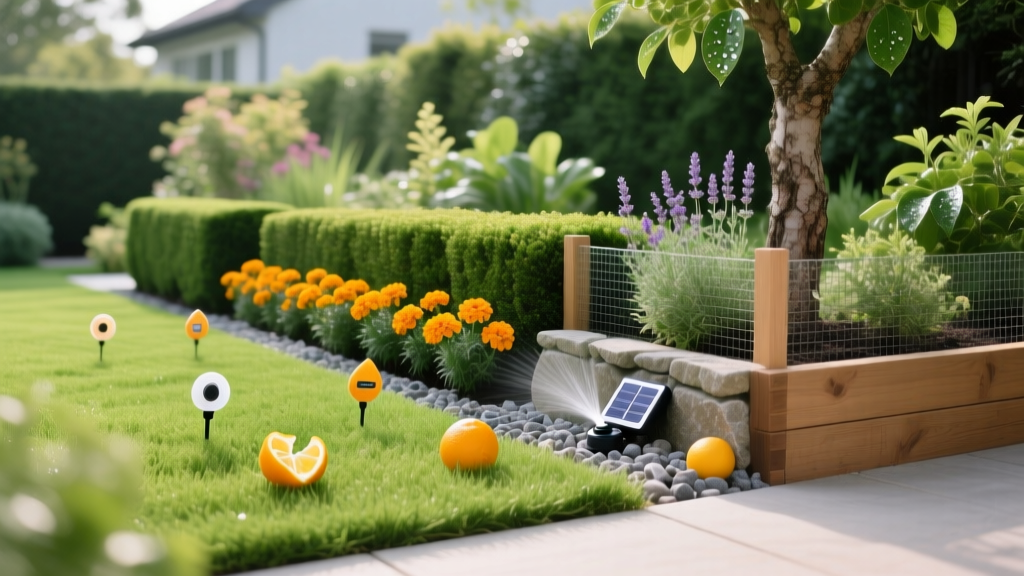
What Keeps Cats Away From Garden Beds: 7 Proven Deterrents
Feline intrusion in garden beds is driven by a simple biological preference: cats seek loose, dry, finely tilled soil to bury their waste. If you are researching what keeps cats away from your freshly planted vegetables or prized perennials, the solution requires disrupting their tactile and olfactory comfort zones. Relying on a single method rarely works; a layered approach combining physical barriers, targeted botanical scents, and behavioral redirection is the only reliable strategy for long-term garden protection.
The Behavioral Root: Why Cats Target Garden Soil
Domestic and feral cats view freshly turned garden soil as an oversized, premium litter box. The soil in raised beds and newly mulched borders is typically softer, drier, and easier to dig than compacted lawn turf. Furthermore, cats are territorial. When one cat deposits waste in your garden, it leaves behind pheromones that signal to other neighborhood cats that this is an established marking zone. To break this cycle, you must make the physical act of digging uncomfortable and mask the territorial scent markers.
Physical Barriers: The Only 100% Effective Method
When evaluating what keeps cats away permanently, physical barriers consistently outperform chemical or scent-based repellents. Cats are highly sensitive to the feeling of their paws and will avoid surfaces that are unstable, prickly, or wet.
1. Sub-Surface Chicken Wire
The most effective tactile deterrent is laying wire mesh just beneath the soil surface. Purchase 20-gauge galvanized steel chicken wire with a 1-inch hexagonal mesh. Lay the wire flat over your prepared soil and cover it with exactly 2 to 3 inches of mulch or topsoil. Plant roots will easily grow through the 1-inch gaps, but a cat’s claws will hit the wire, making digging impossible. Ensure you bury the edges of the wire 6 inches deep around the perimeter of the bed so cats cannot dig underneath it.
2. Prickly Mulch Alternatives
If wire mesh is impractical for your existing landscape, switch to a tactilely unpleasant mulch. Sweetgum balls, rough pine cones, or crushed oyster shells create an uneven, sharp surface that cats refuse to walk on. Avoid standard shredded hardwood mulch or fine cedar chips, as these are easily raked aside by determined felines.
3. Plastic Spike Mats
Commercial plastic scat mats (such as the SmartyKat Scratch Not brand) feature blunt, flexible plastic cones spaced roughly 1.5 inches apart. These are highly effective for covering small, vulnerable areas like seedling rows. They do not harm the animals but make the surface entirely unappealing to lie on or dig in.
Olfactory and Botanical Deterrents: What Works vs. Myths
A cat’s sense of smell is approximately 14 times stronger than a human’s. However, many popular internet remedies for repelling cats are either ineffective or ecologically harmful. Below is a breakdown of scent-based strategies based on efficacy and soil safety.
| Deterrent Method | Efficacy | Duration | Safety & Soil Impact |
|---|---|---|---|
| Citrus Peels / Oils | High | 3–5 Days | Safe. D-limonene in citrus is highly aversive to cats. Reapply after rain. |
| Coffee Grounds | Low (Myth) | N/A | Risky. Does not deter cats. Highly toxic to dogs/wildlife if ingested. Alters soil pH. |
| Coleus canina (Scaredy Cat) | Moderate | Seasonal | Safe. Emits a skunk-like odor when brushed against. Hardy in zones 10-11 (grow as annual elsewhere). |
| Lavender & Rosemary | Moderate | Permanent | Safe. Strong essential oils mask territorial pheromones. Excellent for border planting. |
| Predator Urine (Coyote/Fox) | Low | 1–2 Weeks | Moderate. Washes away quickly. Can attract unwanted wildlife or cause neighborhood alarm. |
Warning: The Coffee Grounds Myth
Many gardening blogs recommend spreading used coffee grounds to repel cats. According to the ASPCA Toxic and Non-Toxic Plants database, caffeine is highly toxic to dogs and certain wildlife. Furthermore, cats are largely unfazed by the smell of roasted coffee. Skip the grounds and opt for citrus-based sprays instead.
Many gardening blogs recommend spreading used coffee grounds to repel cats. According to the ASPCA Toxic and Non-Toxic Plants database, caffeine is highly toxic to dogs and certain wildlife. Furthermore, cats are largely unfazed by the smell of roasted coffee. Skip the grounds and opt for citrus-based sprays instead.
Tech Solutions: Motion-Activated Sprinklers and Ultrasonics
For large yards where physical barriers are too costly to install, technology offers an excellent secondary line of defense.
4. Motion-Activated Sprinklers
The Orbit Yard Enforcer is the industry standard for humane animal deterrence. It uses an infrared sensor to detect motion up to 40 feet away and releases a sharp, 2-to-3-cup burst of water. Cats despise sudden water exposure. Position the sprinkler to guard the primary entry points to your garden beds. Because it uses minimal water per burst, it will not waterlog your soil, and the sudden noise of the mechanical valve provides an auditory startle effect alongside the water.
5. Ultrasonic Repellents
Devices like the Aspectek HR5 emit high-frequency sound waves between 13.5 kHz and 45.5 kHz. While humans cannot hear these frequencies, they are highly irritating to felines. Crucial caveat: Cats habituate to static sounds. To maintain effectiveness, you must choose a model with a sweeping frequency range and physically move the device to a new location every 7 to 10 days so the cats do not learn the "safe zones" in your yard.
The Health Risk: Why Cat Feces in Gardens is Dangerous
Keeping cats out of your garden is not just about protecting your plants; it is a significant public health measure. Cat feces can harbor Toxoplasma gondii, a parasite that causes toxoplasmosis. According to the CDC Toxoplasmosis Guidelines, this parasite can survive in soil for months and poses severe risks to pregnant women and immunocompromised individuals who consume unwashed vegetables grown in contaminated soil. Always wear gardening gloves, and wash all root vegetables thoroughly if you have a known neighborhood cat problem.
Creating a Decoy "Cat Garden"
If neighborhood cats are a persistent issue, behavioral redirection is often more successful than pure deterrence. Create a dedicated "cat garden" in a far corner of your yard, away from your primary landscaping.
- Build a Sandbox: Use a shallow wooden frame filled with fine, dry play sand. This provides a highly attractive, dedicated digging zone.
- Plant Feline Favorites: Surround the sandbox with Nepeta cataria (Catnip), Valeriana officinalis (Valerian), or Dactylis glomerata (Cat Grass).
- Maintenance: You must periodically scoop the decoy sandbox to maintain its appeal and prevent it from becoming a neighborhood health hazard.
Frequently Asked Questions
Does vinegar keep cats away from gardens?
White vinegar is an effective olfactory deterrent, but it is highly acidic. Spraying undiluted vinegar directly onto your garden soil will lower the soil pH and damage plant roots. If you use vinegar, dilute it at a 1:1 ratio with water and spray it only on hard surfaces like fences, patio edges, or garden borders—never directly on the soil or plant foliage.
Are commercial chemical cat repellents safe for edible gardens?
Most commercial repellents registered with the EPA Safe Pest Control guidelines rely on active ingredients like methyl nonyl ketone or essential oils. While generally safe for ornamental plants, you should avoid applying any chemical or essential oil-based repellents directly onto the edible portions of vegetables or herbs. Stick to physical barriers like chicken wire for raised vegetable beds.
Will planting rue (Ruta graveolens) deter cats?
Yes, rue is a well-documented botanical deterrent that cats find highly offensive. However, it is a phototoxic plant. If a human or pet brushes against the foliage and is subsequently exposed to sunlight, it can cause severe skin blistering. It is generally recommended to use safer alternatives like rosemary or lavender in high-traffic residential areas.

